Comprehensive List of Transparent Polymers includes a wide range of materials such as Polycarbonate, PMMA, PET, and specialized copolymers engineered for optical clarity. Many product designers face the daunting challenge of selecting a material that offers crystal-clear visibility without sacrificing the structural integrity required for heavy-duty use. Traditional glass often fails in these scenarios due to its weight and propensity for shattering under thermal or physical stress. By utilizing advanced transparent plastics , you can produce lightweight, durable, and complex components that maintain high light transmission across diverse industrial environments.
Why is Polycarbonate a leader among transparent plastics?
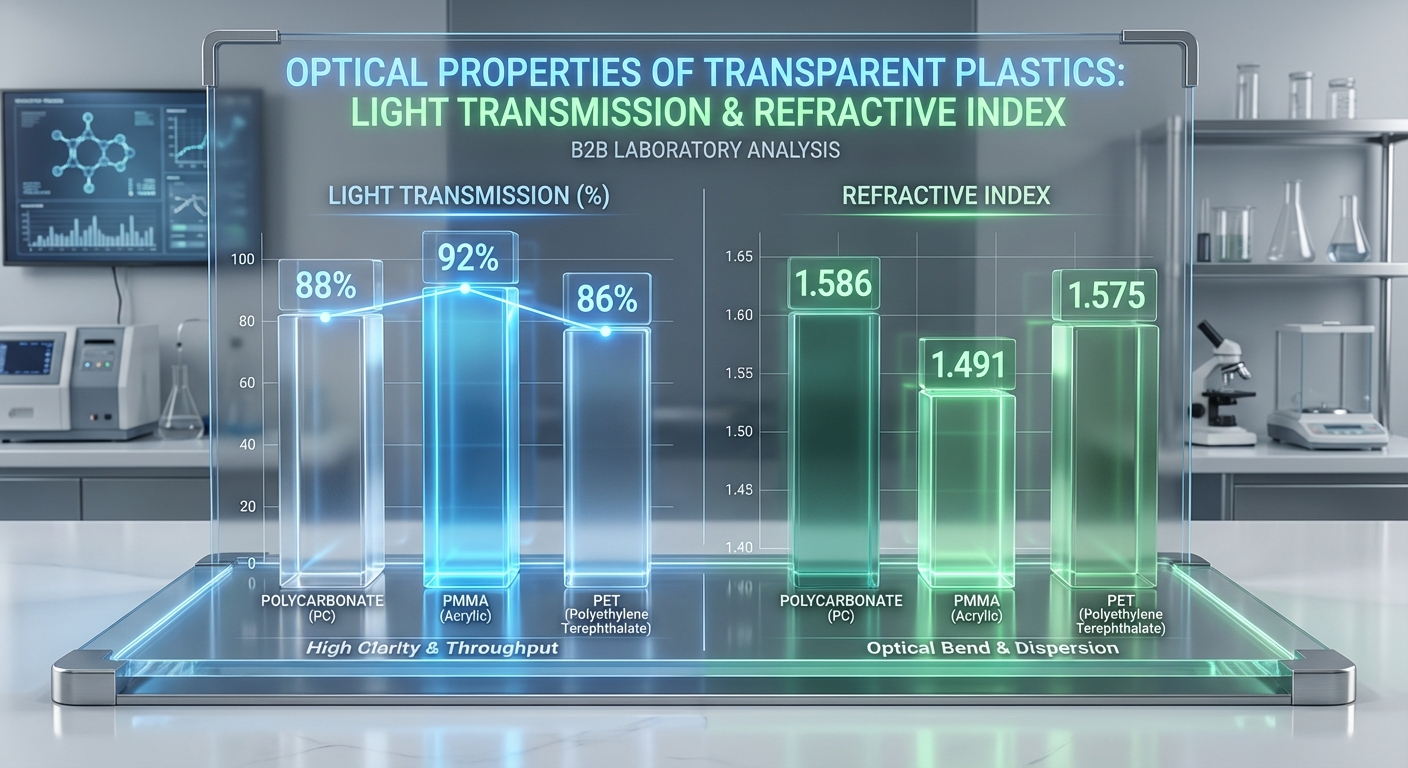
Polycarbonate (PC) leads the market because it offers an unparalleled combination of extreme impact resistance and 90% light transmission. This high-performance amorphous thermoplastic is the go-to choice for engineering teams who cannot compromise on safety.
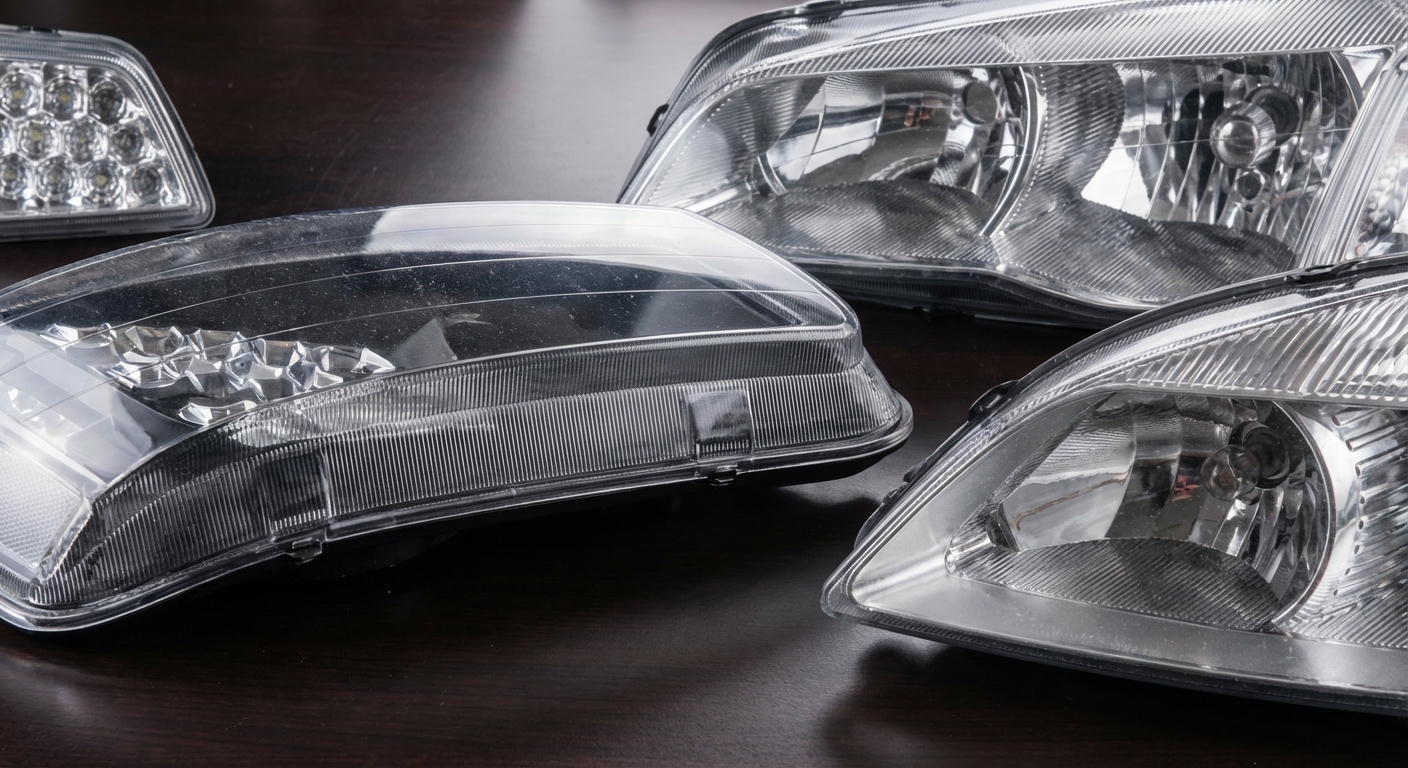
When you specify this material among other transparent plastics , you are choosing a polymer that is up to 200 times stronger than glass of the same thickness. It is widely utilized in sectors ranging from automotive headlight lenses to protective medical equipment.
Impact Resistance and Durability
Think about it. In high-velocity environments, a single impact can destroy standard materials and halt production. Polycarbonate prevents this by absorbing energy without fracturing, making it ideal for:
- Security shields and riot gear
- Automotive radiator grills
- Surgical instrument housings
The best part is that its dimensional stability remains consistent even under significant mechanical load.
UV Protection and Optical Clarity
While transparency is vital, blocking harmful radiation is often a secondary requirement for outdoor applications. PC naturally filters ultraviolet rays, protecting internal components or users from sun damage.
- Blocks 100% of harmful UV rays
- Transmits over 90% of visible light
- Maintains clarity in varying temperatures
Key Takeaway: Use Polycarbonate when your application requires the highest possible impact strength alongside glass-like visibility and UV protection.
| Property | Value/Detail | |
|---|---|---|
| Light Transmission | 86% – 91% | |
| Impact Strength | Extremely High | |
| Typical Use | Automotive & Security |
Engineering success with PC depends on managing its sensitivity to certain chemicals while leveraging its structural toughness.
Is Acrylic the best choice for optical transparent plastics?
Acrylic (PMMA) is often considered the best choice when your project prioritizes superior light transmission and long-term UV stability over pure impact strength. It serves as a rigid and shatter-resistant alternative to glass in high-end aesthetic applications.
When evaluating transparent plastics, you will find that PMMA offers up to 92% light transmission, which is higher than most other polymers. This brilliance makes it the standard for high-precision lenses and architectural glazing.
Weathering and UV Resistance
The best part? Unlike many other polymers, PMMA does not yellow or degrade significantly when exposed to direct sunlight for extended periods. This inherent stability makes it a favorite for:
- Outdoor signage and displays
- Greenhouse panels
- Marine aquarium windows
Its resistance to weathering ensures that the optical quality of your product remains “like-new” for years.
Comparison with Glass Alternatives
You might find that glass is too heavy for your specific design requirements. Acrylic provides the same visual appeal at half the weight, allowing for:
- Lower shipping costs
- Easier installation of large panels
- Greater freedom in complex shaping
Key Takeaway: Select PMMA for applications where visual brilliance, colorability, and resistance to environmental yellowing are more critical than extreme impact resistance.
| Property | Value/Detail | |
|---|---|---|
| Light Transmission | 89% – 92% | |
| Refractive Index | 1.49 | |
| Weight | 50% lighter than glass |
Acrylic stands out as the most optically “pure” polymer, making it indispensable for designers focusing on light-driven product experiences.
How does PET dominate the market for transparent plastics?
PET dominates the global market because it provides an exceptional balance of low manufacturing costs, high chemical resistance, and excellent barrier properties. This general-purpose polymer is essential for high-volume consumer goods and packaging.
When you source transparent plastics for liquid containment, PET is the undisputed champion due to its ability to prevent gas permeation. It is frequently processed using high-speed injection molds to meet global demand.
Chemical Resistance and Barrier Properties
But wait, there’s more. Beyond just looking clear, PET protects the contents of a package from outside contamination and prevents carbonation from escaping. It is the material of choice for:
- Carbonated soft drink containers
- Cosmetic jars and bottles
- Medical blister packaging
This chemical inertness ensures that the plastic does not react with the substances it holds.
Cost-Effectiveness in High Volume
Cost is almost always a driving factor in B2B manufacturing decisions. PET offers a lightweight and high-strength profile at a price point that makes mass production feasible.
- Low raw material cost
- Recyclable and sustainable options
- High-speed processing capability
Key Takeaway: Utilize PET for large-scale packaging and container projects where gas barriers and cost-efficiency are the primary design drivers.
| Property | Value/Detail | |
|---|---|---|
| Light Transmission | 87% – 92% | |
| Barrier Quality | High CO2/O2 resistance | |
| Recyclability | Highly Recyclable |
The move from glass to PET has revolutionized global logistics by reducing breakage and cutting transportation energy requirements.
Can PETG replace more expensive transparent plastics?
PETG (Amorphous Copolyester) is a versatile alternative that can replace materials like Polycarbonate or Acrylic by offering a unique middle ground of toughness and clarity. It is a modification of PET that remains amorphous during processing.
In the world of transparent plastics, PETG is known for being incredibly easy to fabricate and thermoform without the risk of whitening or cracking. It provides a “drop-in” solution that often requires no modifications to existing tooling.
Versatility and Toughness
Here is the kicker. PETG offers much higher impact resistance than standard Acrylic, yet it is easier to process than Polycarbonate. This makes it highly effective for:
- Point-of-purchase retail displays
- Medical device packaging
- Electronic equipment covers
Its toughness ensures that parts do not break during the assembly or shipping phases of your project.
Processability and Drop-in Replacement
You can often reduce your production cycle times by switching to PETG because it processes at lower temperatures than other engineering resins.
- Excellent chemical resistance
- FDA-compliant grades available
- High clarity with low haze
Key Takeaway: Choose PETG when you need a balance of toughness and clarity with the added benefit of easier, lower-cost thermoforming and fabrication.
| Property | Value/Detail | |
|---|---|---|
| Light Transmission | 92% | |
| Haze Percentage | ~0.7% | |
| Chemical Stability | High |
PETG serves as a strategic bridge material for engineers who need more durability than PET but are not ready for the cost of PC.
Why use PVC for industrial and medical transparent plastics?
PVC (Polyvinyl Chloride) is widely used in industrial and medical settings because it offers inherent fire resistance and incredible flexibility through plasticization. It is one of the most versatile polymers available for both rigid and soft applications.
Selecting PVC among other transparent plastics allows you to meet strict safety regulations, especially in the Medical Device sector. Its ability to be formulated for specific UV-blocking needs makes it ideal for outdoor tubing and films.
Flexibility and Fire Resistance
Sounds simple, right? By adjusting the plasticizer content, you can create products ranging from rigid pipes to soft, flexible tubing used in:
- Intravenous (IV) drips and bags
- Greenhouse films and coverings
- Industrial safety glazing
Its self-extinguishing properties provide a layer of safety that many other high-clarity polymers lack.
Specialized Formulations for UV Blocking
Transparent PVC pipes and sheets are often formulated to block damaging UV light while maintaining internal visibility.
- Protection for sensitive fluids
- Weather-resistant outdoor piping
- Anti-glare surface options
Key Takeaway: PVC is the optimal choice for flexible medical tubing and industrial applications where flame retardancy and chemical resistance are mandatory.
| Property | Value/Detail | |
|---|---|---|
| Light Transmission | Up to 97% | |
| Fire Rating | Self-extinguishing | |
| Clarity | Water-clear options |
The longevity of PVC in infrastructure and medical life-support systems proves its reliability as a foundational transparent polymer.
What makes LSR unique among flexible transparent plastics?
Liquid Silicone Rubber (LSR) stands out because it is a transparent thermoset elastomer that maintains its optical and mechanical properties at extreme temperatures. Unlike thermoplastics, it does not melt once it has been cured.
When you compare LSR to other transparent plastics, you will notice it offers 94% light transmission and superior durability up to 150°C. This makes it a high-end solution for harsh environmental conditions.
Thermal Stability and Design Freedom
You might be wondering why a rubber-like material is used for optics. LSR allows for complex geometries and undercuts that are impossible to achieve with rigid materials, facilitating:
- High-power LED lighting lenses
- Automotive lighting seals
- Healthcare wearable components
Its ability to remain flexible in both freezing and boiling conditions is a major advantage for global product deployment.
Optical Clarity in Thermoset Elastomers
The clarity of LSR rivaling glass is a game-changer for the electronics industry.
- Resistant to yellowing over time
- Excellent moisture resistance
- High UV-light stability
Key Takeaway: Use LSR for high-heat applications like LED optics or flexible medical components where long-term durability and clarity are vital.
| Property | Value/Detail | |
|---|---|---|
| Light Transmission | 94% | |
| Temp Resistance | Up to 150°C | |
| Material Type | Thermoset Elastomer |
LSR represents the pinnacle of flexible optics, providing designers with the freedom to create ergonomic, heat-resistant components.
Are Cyclic Olefin Copolymers elite transparent plastics?
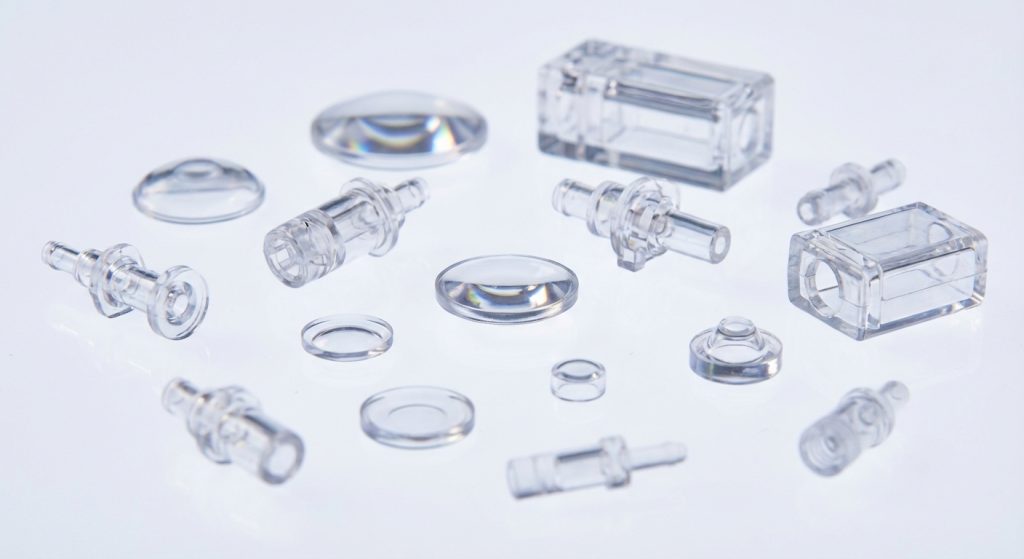
Cyclic Olefin Copolymers (COC) are considered elite materials due to their exceptional moisture barrier properties and incredibly low haze. These amorphous polymers are specifically engineered for high-precision optical and medical applications.
Among the various transparent plastics available, COC is preferred for diagnostic tools and life science applications because of its high purity. It provides a glass-like surface that is resistant to common solvents and sterilization processes.
Moisture Barrier and Precision Optics
Now, consider this. Standard polymers often absorb moisture, which can distort optical measurements or contaminate sensitive medical samples. COC solves this problem with:
- Superior moisture and aroma barriers
- High stiffness and strength
- Excellent gloss and clarity
This makes it perfect for high-precision lenses and optical data storage discs.
Medical and Life Science Applications
In the medical field, reliability is non-negotiable. COC is widely used for:
- Prefilled syringes and vials
- Microfluidic chips
- Blister packs for pharmaceuticals
Key Takeaway: Specify COC when your project requires the absolute lowest moisture absorption and highest precision in optical or medical diagnostics.
| Property | Value/Detail | |
|---|---|---|
| Light Transmission | 91% | |
| Haze | < 3% | |
| Purity | Medical Grade |
As diagnostics move toward miniaturization, the high flow and precision of COC will continue to drive medical innovation.
How do Ionomer resins create luxury transparent plastics?
Ionomer resins create a luxury feel by offering a combination of high scratch resistance, deep gloss, and unique “thick-walled” clarity. These resins contain both covalent and ionic bonds, giving them distinct physical advantages.
When you look for transparent plastics that enhance brand perception, Ionomers are frequently the top choice for high-end cosmetic packaging. They allow for complex Plastic Injection Molding techniques that create inner and outer container contrasts.
Scratch Resistance and Aesthetic Appeal
And that’s not all. Ionomers are famous for their “self-healing” properties regarding minor abrasions, which keeps luxury products looking pristine.
- Exceptional clarity and brilliance
- High resistance to oils and perfumes
- Toughness for overmolded designs
This durability ensures that the product maintains its “shelf appeal” throughout its entire lifecycle.
Innovative Packaging Solutions
You can use Ionomers to create unique shapes that would be impossible or too expensive with glass.
- Fragrance bottle caps
- Luxury cream jars
- Golf ball covers (for durability)
Key Takeaway: Ionomer resins are the premier choice for luxury goods where aesthetic brilliance and scratch resistance must be paired with impact toughness.
| Property | Value/Detail | |
|---|---|---|
| Light Transmission | 93.4% | |
| Refractive Index | 1.49 | |
| Feature | Scratch resistant |
For premium B2B brands, Ionomers provide the tactile and visual quality necessary to justify a higher price point.
Can Polypropylene be used as high-clarity transparent plastics?
Polypropylene (PP) can indeed be used for high-clarity applications when treated with advanced clarifying additives. Historically, PP was semi-opaque, but modern chemistry has transformed it into a viable clear material.
Choosing clear PP from the list of transparent plastics offers significant cost savings due to its low density. It allows you to produce more parts per kilogram of resin than heavier materials like PET or PC.
The Role of Clarifying Additives
Believe it or not, the clarity of PP is now good enough for retail packaging. These additives work by:
- Reducing the size of polymer crystals
- Decreasing light scattering (haze)
- Improving surface gloss
This results in a material that is clear enough for food storage and consumer organization products.
Density Benefits and Cost Savings
One of the biggest advantages of PP is its ability to withstand high temperatures, making it microwave-safe.
- Low density (light-weighting)
- Excellent moisture barrier
- Good stiffness-to-weight ratio
Key Takeaway: Use transparent PP for cost-sensitive packaging and housewares that require heat resistance and a good moisture barrier.
| Property | Value/Detail | |
|---|---|---|
| Density | Lowest among clear plastics | |
| Heat Resistance | Microwave-safe | |
| Clarity | Improved with clarifiers |
Clarified PP offers an economical pathway for brands looking to combine transparency with high-temperature performance.
Which Styrenics are used for cost-effective transparent plastics?
The primary styrenics used for cost-effective clear parts include SAN, SMMA, and GPPS. These materials are known for their high rigidity, ease of processing, and attractive price points in the commodity market.
While they may not offer the impact strength of Polycarbonate, these transparent plastics are perfect for applications where “glass-like” rigidity is needed at a fraction of the cost. They are staples in the household and consumer electronics sectors.
SAN and SMMA Performance
In short, SAN (Styrene Acrylonitrile) and SMMA (Styrene Methyl Methacrylate) provide better chemical resistance and thermal stability than basic polystyrene.
- SAN: Used for kitchenware and tumblers
- SMMA: Used for cosmetic jars and medical housings
- High gloss and brilliant clarity
They offer a step up in performance for products that need to withstand dishwasher cycles or contact with oils.
GPPS and Transparent ABS (MABS)
General Purpose Polystyrene (GPPS) is the most basic clear styrenic, often used for disposable items. However, if you need more impact strength, MABS (Transparent ABS) is a better alternative.
- GPPS: CD cases and Petri dishes
- MABS: Power tool housings and sports goods
- Excellent flow for thin-walled parts
Key Takeaway: Use styrenic polymers for rigid, low-cost applications where clarity is required but extreme impact resistance is not the primary concern.
| Material | Key Benefit | Typical Application | |
|---|---|---|---|
| SAN | Chemical resistant | Kitchenware | |
| GPPS | Low cost | Disposable labware | |
| MABS | Impact resistant | Consumer appliances |
Styrenics remain the backbone of the consumer goods industry, providing the essential clarity consumers expect at an affordable price.
Engineering a Clearer Future
In this guide, we have explored the diverse world of transparent polymers, solving the problem of material selection for high-performance applications. Whether you are dealing with the fragility of glass or the high costs of over-engineered resins, our analysis shows that there is a specific plastic tailored to your durability, clarity, and budget requirements. We are dedicated to providing the technical expertise and precision manufacturing you need to bring these complex designs to life. If you are ready to optimize your next project with a partner who understands the intricacies of optical resins, contact us today to begin your journey toward manufacturing excellence.
Frequently Asked Questions
Can I use PETG as a direct replacement for Polycarbonate?Yes, in many cases, PETG can be used because it offers similar clarity and decent toughness while being easier to process. However, if your part requires extreme impact resistance or high heat deflection, Polycarbonate remains the superior choice.
What’s the best transparent plastic for medical devices that need sterilization?Cyclic Olefin Copolymers (COC) are generally the best choice for high-precision medical needs. They offer exceptional purity and resistance to moisture, ensuring that the results of diagnostic tests are not compromised by the material itself.
How do I know if I should choose Acrylic or Polycarbonate?Direct judgment should be based on your priority between impact strength and optical aging. If your part will be outdoors and needs to stay crystal clear without yellowing, choose Acrylic; if the part is subject to heavy physical abuse or safety risks, choose Polycarbonate.
Can transparent plastics be recycled as easily as glass?Strictly speaking, it depends on the polymer type, but PET and PP are highly recyclable within existing global infrastructure. While some specialized polymers like COC or Ionomers are harder to recycle, the lightweight nature of all plastics generally reduces the overall carbon footprint compared to heavy glass.