You are ready to launch a new product, but the quoting process feels like a confusing black box. Uncertainty about your injection molding cost can stall your project or lead to massive budget overruns. CN Precision provides the transparency you need to optimize your manufacturing spend and scale with confidence.
What defines the total injection molding cost?
The total injection molding cost is a combination of your initial fixed tooling investment and the variable production expenses like resin and machine time. Most of your budget will be consumed by the mold design and material selection. Understanding this split allows you to allocate resources more effectively.
Fixed vs. Variable Expenses
Analyzing the split between setup and unit price helps you budget for the long term. You must decide if you want to pay more now to save later.
Think about it:
- Tooling design fees
- Raw resin pricing
- Machine hourly rates
- Post-processing labor
Key Takeaway: Balancing upfront mold costs with per-part efficiency is the secret to a profitable production run.
| Cost Component | Low Volume (100) | High Volume (100k) | |
|---|---|---|---|
| Tooling Cost | 500−2,000 | 20,000−80,000 | |
| Part Price | 5.00−15.00 | 0.20−1.00 | |
| Total Budget | $1,500 | $100,000 |
Higher upfront investments in tooling drastically reduce your long-term cost per part through amortization.
How much does injection molding cost for tooling?
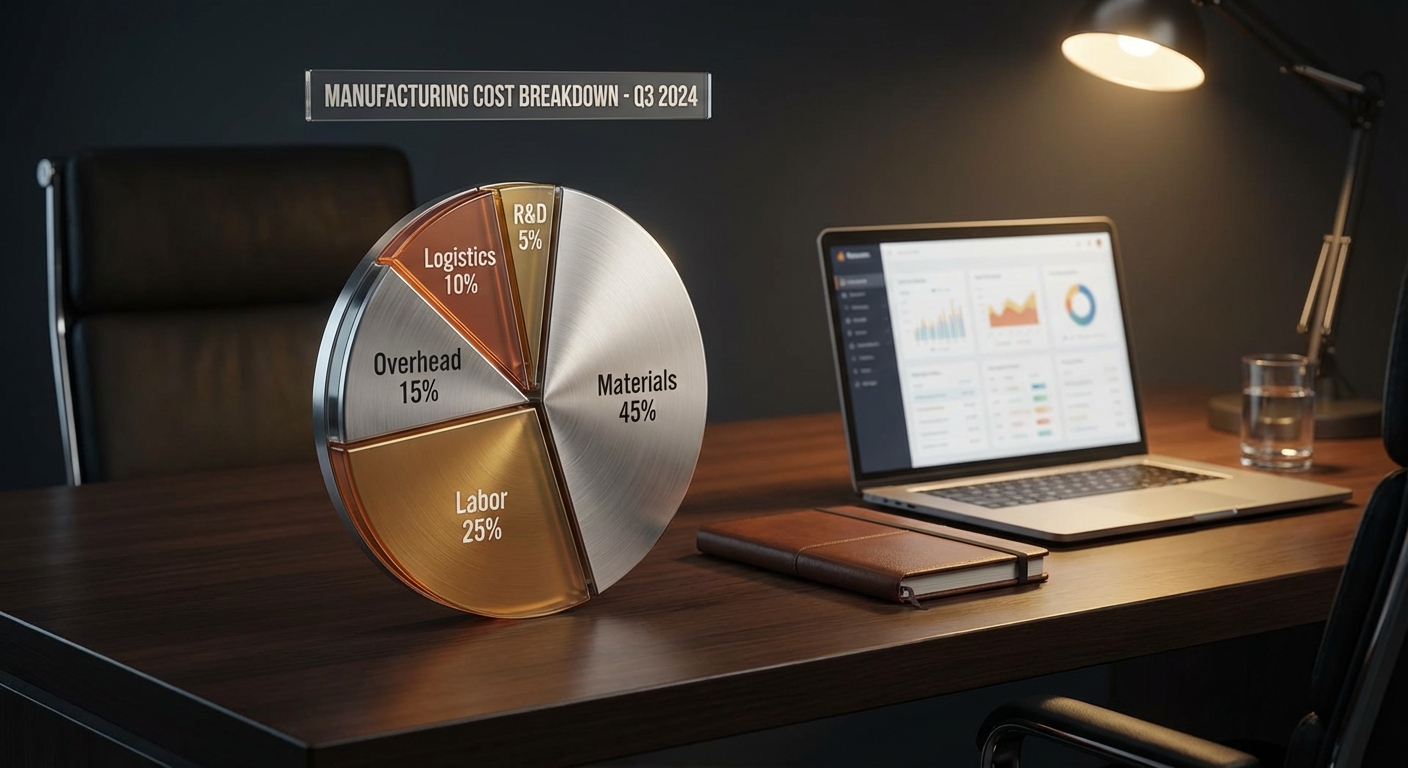
The injection molding cost for tooling varies based on the cavity count, material choice, and the complexity of your part’s geometry. Simple prototype molds are affordable, while production-grade steel tools require a significant capital outlay. You get what you pay for when it comes to tool longevity.
Investing in Custom Injection Molds
Choosing between aluminum and hardened steel determines your return on investment. High-quality injection molds are built to withstand millions of cycles without losing dimensional accuracy.
But here is the kicker:
- Aluminum is faster to machine
- Hardened steel prevents wear
- Multi-cavity tools increase output
- Surface finishes add to the price
Key Takeaway: Your production volume should dictate the mold material to ensure you don’t overpay for durability you won’t use.
| Tooling Material | Estimated Cost | Expected Life | |
|---|---|---|---|
| 3D Printed | 100−500 | <100 shots | |
| Aluminum | 2,000−5,000 | 5,000 shots | |
| Hardened Steel | $15,000+ | 1,000,000+ shots |
Selecting the right material for your mold ensures that you balance precision with your initial capital constraints.
Which materials lower your injection molding cost?
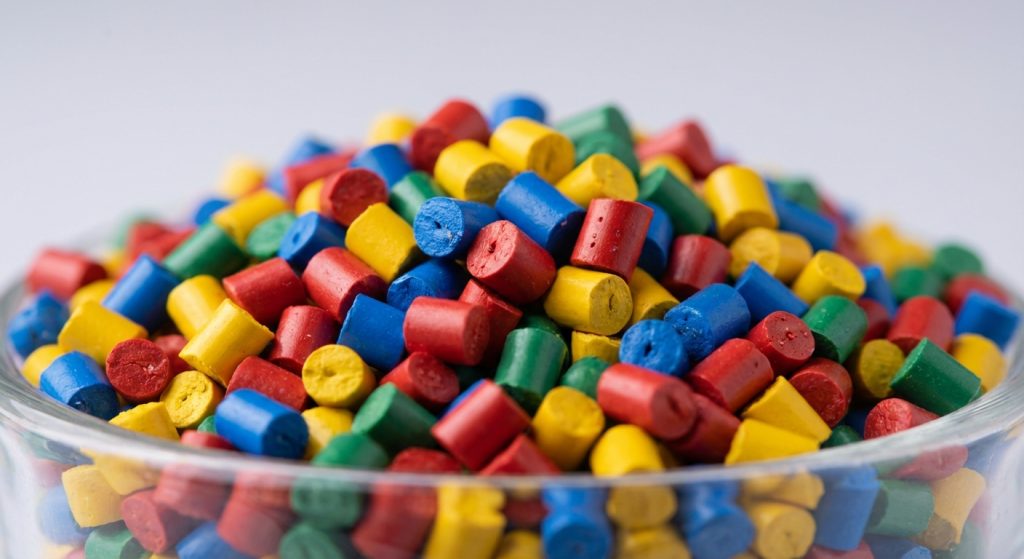
Selecting specific resins is one of the most effective ways to lower your injection molding cost without sacrificing part quality. Commodity plastics like Polypropylene (PP) are much cheaper than specialized engineering-grade resins. You should always evaluate if a lower-cost material meets your functional requirements.
Commodity vs. Engineering Resins
Evaluating standard plastics against high-performance resins involves analyzing both raw price and processing speed. Some resins cool faster, which lowers the machine time you pay for.
The truth is:
- PP and PE are budget-friendly
- ABS offers a middle ground
- PEEK is high-cost but durable
- Masterbatches affect total spend
Key Takeaway: Standardizing your material choices can lead to significant volume discounts and reduced cycle times.
| Resin Type | Price Per KG | Common Usage | |
|---|---|---|---|
| Polypropylene (PP) | 1.20−2.00 | Containers, caps | |
| ABS | 2.50−4.00 | Electronics, toys | |
| Polycarbonate (PC) | 4.00−6.00 | Lenses, safety gear |
Resin selection accounts for nearly half of your variable costs, making it a primary target for optimization.
Do machine rates affect injection molding cost?
Your injection molding cost is directly influenced by the hourly fee of the press, which is determined by the required clamping force. Larger parts need bigger machines, which come with higher overhead and energy costs. Efficient cycle times are the only way to minimize this expense.
Tonnage and Cycle Efficiency
Understanding the fees for different press sizes helps you design parts that fit smaller, cheaper equipment. Minimizing part volume and wall thickness can save you thousands in machine time.
Believe me:
- Small presses are 30−50/hr
- Large presses can exceed $150/hr
- Automation reduces human monitoring
- Cooling time dictates the cycle
Key Takeaway: Optimizing your part for a lower-tonnage machine is an easy win for your production budget.
| Machine Size | Clamping Force | Typical Hourly Rate | |
|---|---|---|---|
| Desktop/Small | 30T – 80T | $35 | |
| Medium | 100T – 300T | $65 | |
| Industrial/Large | 500T+ | $120+ |
Machine rates vary by facility, but reducing tonnage requirements always leads to a lower bottom line.
Is labor a big factor in injection molding cost?
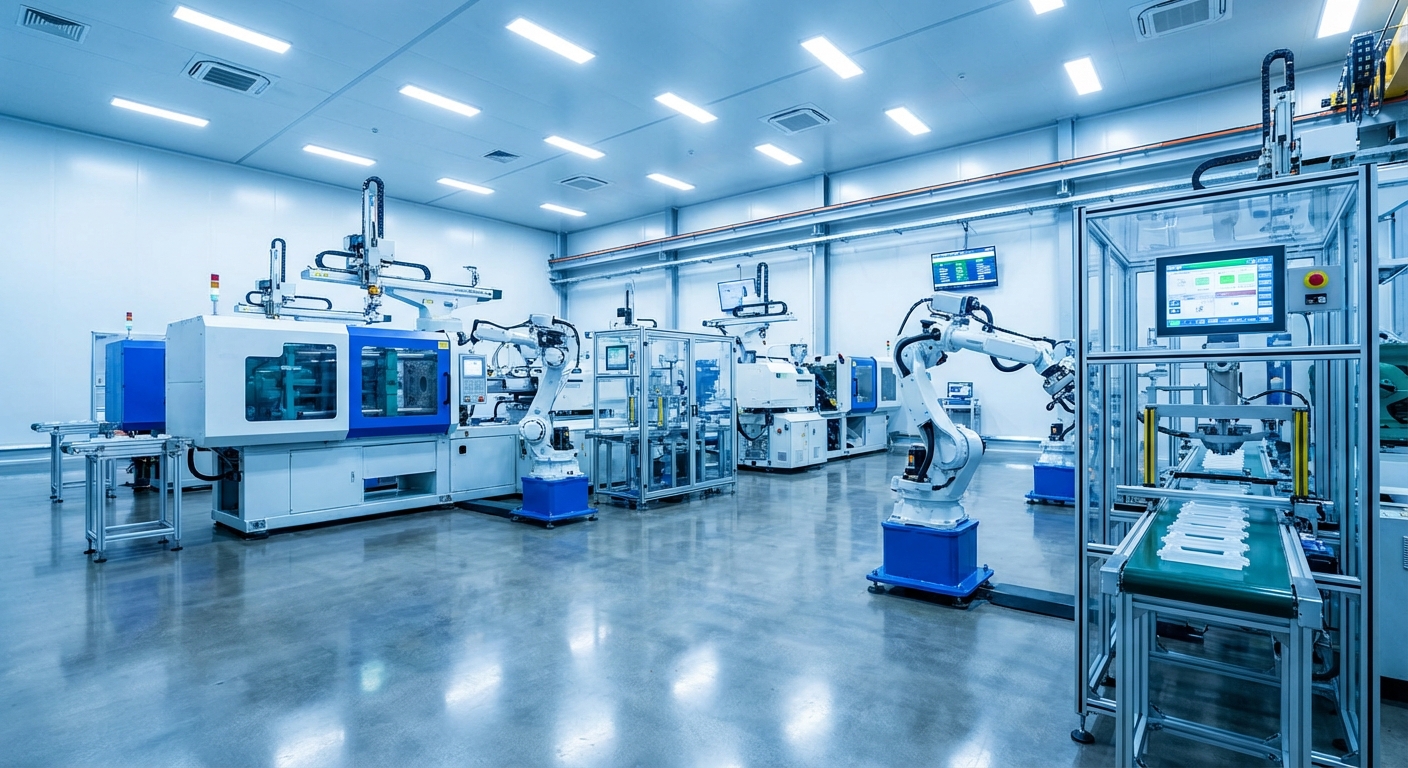
Labor remains a significant portion of your total injection molding cost , especially during the setup and quality inspection phases. While the molding process itself is largely automated, skilled engineers are required to calibrate the equipment. You pay for the expertise that ensures every part is defect-free.
Setup and Configuration Fees
Breaking down the technical labor required shows why “setup fees” appear on every professional quote. Each mold changeover requires hours of specialized work to reach a stable production state.
Think about it:
- Mold installation time
- Material purging costs
- First-article inspection (FAI)
- Packaging and assembly labor
Key Takeaway: Consolidating production into larger runs minimizes the impact of one-time setup labor fees.
| Labor Type | Impact on Cost | Level of Automation | |
|---|---|---|---|
| Engineering/DFM | High (Fixed) | Manual | |
| Machine Setup | Moderate (Fixed) | Semi-automated | |
| Part Inspection | Low (Variable) | Automated |
While automation lowers manual labor, the cost of skilled engineering remains a critical investment for quality.
Can DFM reduce your total injection molding cost?
Implementing Design for Manufacturability (DFM) is the most powerful tool you have to reduce your total injection molding cost before production begins. By adjusting wall thickness and draft angles, you can prevent molding defects that lead to expensive scrap. Professional design reviews catch these issues early.
Optimizing Wall Thickness
Using DFM to ensure faster cooling times directly translates to lower cycle costs and higher profit margins. Uniform walls prevent warping and sink marks that could ruin an entire batch.
The kicker is:
- Thick walls increase cycle time
- Thin walls can cause short shots
- Draft angles ease part ejection
- Ribs add strength without mass
Key Takeaway: A few hours of design optimization can save tens of thousands of dollars in machine time over a product’s life.
| DFM Feature | Cost Benefit | Impact on Quality | |
|---|---|---|---|
| Uniform Walls | Lowers cycle time | Prevents warping | |
| 1-3 Degree Draft | Reduces tool wear | Prevents scuffing | |
| Radius Corners | Improves flow | Reduces stress |
Proactive DFM analysis eliminates the need for costly tooling modifications after the mold has been cut.
Does the mold process impact injection molding cost?
The method used to create your tool, such as CNC machining service , will determine a large part of your initial injection molding cost. Complex geometries might require Electrical Discharge Machining (EDM), which adds precision but increases the price. The more complex the tool, the higher the fabrication bill.
CNC vs. EDM Applications
Analyzing how the time spent on a 5-axis mill influences your final tooling invoice is essential for budgeting. EDM is used for sharp corners and deep pockets that a traditional drill cannot reach.
But here is the kicker:
- CNC is fast for open areas
- EDM is required for fine details
- Surface textures add manual labor
- Tolerance levels drive up machining time
Key Takeaway: Simplifying your design to allow for pure CNC machining can cut your tooling bill in half.
| Fabrication Method | Typical Lead Time | Accuracy Level | |
|---|---|---|---|
| 3-Axis CNC | 1-2 Weeks | High | |
| 5-Axis CNC | 2-3 Weeks | Very High | |
| EDM Sinking | 3-4 Weeks | Extreme |
Machining complexity is the largest variable in mold pricing, making design simplification highly lucrative.
How does scale lower the injection molding cost?
Achieving economies of scale is the primary reason why high-volume manufacturing lowers the average injection molding cost for every part. When you spread the cost of a $50,000 mold across 500,000 parts, the tooling impact becomes negligible. Mass production is where you find true cost efficiency.
Economies of Scale in Action
Understanding why 100,000 units are dramatically cheaper per piece than 1,000 units focuses on amortization. Your variable costs stay flat, but your fixed costs disappear into the volume.
Think about it:
- Tooling cost amortization
- Bulk material discounts
- Optimized shipping logistics
- Consistent machine uptime
Key Takeaway: If your market demand is high, investing in multi-cavity production tooling is always the most economical choice.
| Volume Level | Tooling Cost/Part | Total Part Cost | |
|---|---|---|---|
| 1,000 Units | $5.00 | $7.50 | |
| 10,000 Units | $0.50 | $2.80 | |
| 100,000 Units | $0.05 | $1.70 |
Scaling production is the most effective strategy for companies looking to dominate their market with competitive pricing.
Are there hidden risks in injection molding cost?
Hidden risks like maintenance, tool wear, and scrap rates can unexpectedly inflate your injection molding cost if not managed properly. You must account for the long-term expenses related to cleaning and eventual tool replacement. Ignoring these factors can lead to sudden production halts.
Maintenance and Tool Life
Accounting for the expenses related to repairing and replacing molds is vital for continuous supply chain stability. Molds are mechanical assets that experience heat and pressure wear.
The truth is:
- Flash occurs as molds wear down
- Cooling channels can clog
- Ejector pins require lubrication
- CMM inspection protects your brand
Key Takeaway: A rigorous preventive maintenance schedule is much cheaper than emergency tool repairs or batch recalls.
| Risk Factor | Prevention Strategy | Cost Impact | |
|---|---|---|---|
| Mold Wear | Hardened steel choice | Moderate | |
| Clogged Cooling | Water filtration | Low | |
| Scrap Rates | Rigorous FAI testing | High |
Maintaining your tools ensures consistent quality and prevents the “hidden” costs of manufacturing defects.
How can you estimate your injection molding cost?
You can estimate your injection molding cost by leveraging online quote tools and requesting detailed technical consultations with manufacturing experts. A professional RFQ (Request for Quote) process provides a transparent breakdown of tooling, material, and shipping fees. Data-driven estimates allow for better financial planning.
Professional Technical Consultations
The importance of a detailed RFQ process cannot be overstated when looking for a transparent quote. Engineers can identify cost-saving opportunities that an automated online calculator might miss.
Look at this:
- Share your 3D CAD files
- Define your expected volumes
- Specify material requirements
- Request a DFM feedback report
Key Takeaway: Engaging an engineering team early provides the most accurate and actionable cost estimation for your project.
| Estimating Step | Purpose | Outcome | |
|---|---|---|---|
| Online Calculator | Fast baseline | Rough budget | |
| DFM Review | Find savings | Optimized design | |
| Formal RFQ | Final pricing | Binding contract |
Professional quotes provide the certainty needed to move from a prototype to a market-ready product.
Injection Molding FAQ
Can I reduce the cost of my mold by using self-mating parts?Absolutely. Designing a part that can mate with an identical version of itself means you only need to build one mold instead of two separate designs. This effectively cuts your initial tooling investment in half while doubling your production volume on a single tool.
What’s the best way to choose between aluminum and steel for my production volume?Standard aluminum is best for bridge tooling or runs under 5,000 units due to its lower cost and faster machining. However, for anything exceeding 50,000 units, hardened steel is the superior choice because it maintains precision over hundreds of thousands of cycles without the need for expensive repairs.
How does wall thickness specifically impact the hourly machine rate?Thicker walls require exponentially more time to cool inside the mold before they can be safely ejected. Since you pay for the machine by the hour, a part with 4mm walls will cost significantly more to produce than the same part designed with 2mm walls and supporting ribs.
Is there a way to avoid the high cost of multi-cavity molds for small batches?Yes, you can utilize family molds, which place several different part designs into a single mold base. This allows you to produce an entire assembly in a single injection cycle, significantly reducing both your tooling costs and your setup fees for small-scale production.
Will choosing a recycled material significantly lower the unit price?It depends on the purity requirements of your part. While regrind (recycled) material is cheaper, it can introduce inconsistencies in strength and appearance. For non-cosmetic, non-critical structural parts, using a percentage of regrind is an excellent way to lower your variable material spend.
At CN Precision, we specialize in demystifying the manufacturing process for our global partners. Our vision is to empower innovation through transparent pricing, IATF 16949-certified quality, and world-class engineering support. We solve your production headaches by identifying savings through DFM and delivering precision components that protect your brand reputation. Whether you are scaling a medical device or an automotive assembly, our team is ready to optimize your budget.
To see how we can reduce your manufacturing expenses, contact us today for a free DFM review and project quote.