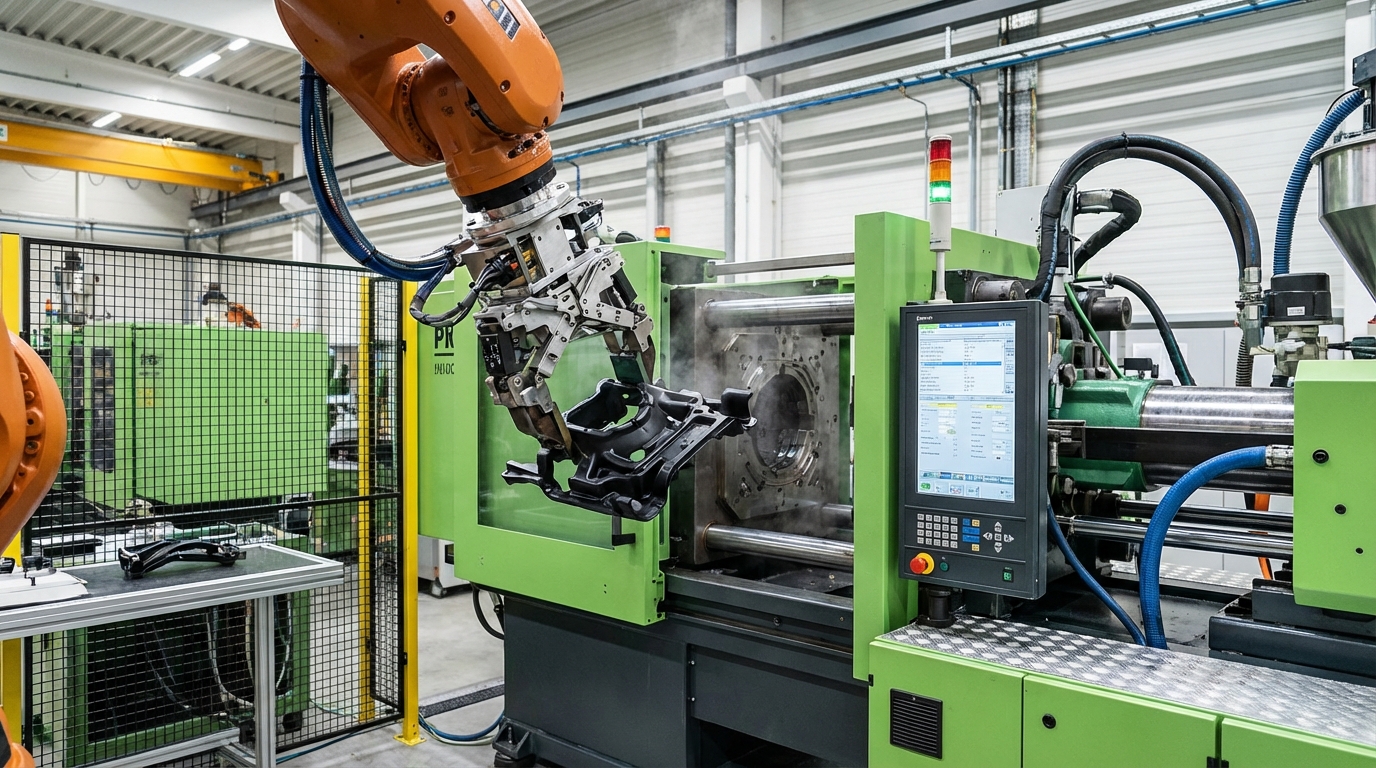
Custom plastic injection molding is the process of creating bespoke parts by injecting molten material into a precision-engineered tool. Many businesses struggle with inconsistent part quality and long lead times when scaling production from prototypes to market-ready goods. This frustration often leads to missed deadlines and increased costs for your engineering department. By partnering with experts in injection mold manufacturing , you can streamline your supply chain and ensure high-precision results every time.
How does injection mold manufacturing benefit your production?
Injection mold manufacturing provides unparalleled repeatability and scalability for high-volume part production. This consistency is essential when you need thousands of identical components without dimensional drift. It also reduces the per-unit cost significantly as production volume increases. Investing in high-quality injection mold manufacturing ensures your product remains competitive in a crowded market.
Achieving High Volume Efficiency
The primary advantage of this process is the speed at which parts are created. Once the mold is finalized, the cycle time for each part can be as short as a few seconds.
Here is the deal:
- Reduced labor costs per part.
- Faster time-to-market for large orders.
- Minimal waste compared to subtractive methods.
Maintaining Precision Standards
Precision is non-negotiable in modern manufacturing environments. Custom molds are designed to hold tight tolerances that satisfy the most demanding industrial requirements.
Think about it: The ability to replicate a design perfectly millions of times is what separates market leaders from everyone else. This reliability builds trust with your end users and reduces the need for expensive quality control rejections.
Key Takeaway: High-volume scalability combined with precision repeatability makes this the gold standard for industrial part production.
| Feature | Production Benefit | |
|---|---|---|
| Scalability | Rapidly increase output to meet market demand. | |
| Repeatability | Ensure every part matches the original CAD design. | |
| Cost Control | Lower the unit price through high-volume efficiency. |
Reliable scalability is only the beginning of what high-precision tooling can offer your organization.
Why is injection mold manufacturing vital for complex designs?
It allows for the creation of intricate geometries that are often impossible to achieve with alternative manufacturing methods. When you utilize advanced injection mold manufacturing , you gain the freedom to integrate complex features directly into a single part. This capability reduces the need for secondary assembly operations and simplifies your overall bill of materials. Modern designs often rely on this flexibility to meet aesthetic and functional requirements.
Integrated Features and Snap Fits
Designing parts with integrated clips, hinges, and threads is a major advantage of the process. This integration streamlines the assembly process for your workers on the factory floor.
But wait, there’s more:
- Elimination of fasteners and adhesives.
- Improved structural integrity of the final part.
- Reduced risk of assembly errors.
Achieving Thin Wall Geometries
Injection molding is perfect for creating lightweight yet strong parts with very thin walls. This is particularly useful in electronics where space and weight are critical factors.
The truth is: Advanced cooling techniques allow these thin walls to solidify quickly without warping. This ensures that even the most delicate components maintain their shape during the ejection process.
Key Takeaway: Complex designs benefit from integrated features and thin-wall capabilities that reduce assembly costs and weight.
| Complex Element | Design Advantage | |
|---|---|---|
| Living Hinges | Create moving parts without separate components. | |
| Overmolding | Combine different materials for better grip or aesthetics. | |
| Undercuts | Use sliders to create complex internal cavities. |
Mastering complex geometries paves the way for selecting the right materials for your specific application.
What materials work best for injection mold manufacturing?
Thermoplastics like ABS, Polypropylene, and Nylon are the most common materials used in this process today. These materials are chosen for their versatility and ability to be melted and reshaped through injection mold manufacturing. You must select a resin that matches the mechanical requirements of your end-use application. Factors such as chemical resistance, UV stability, and impact strength should guide your final decision.
Common Engineering Plastics
ABS is widely used for its impact resistance and toughness in consumer products. Polypropylene is preferred for its chemical resistance and flexibility in packaging.
Here is the list:
- ABS for housings and enclosures.
- Polypropylene for living hinges.
- Nylon for high-strength gears.
- Polycarbonate for clear components.
Performance Resins and Additives
Some projects require specialized resins that can withstand extreme heat or high pressure. Additives like glass fibers can be mixed in to increase the structural stiffness of the part.
But here is the catch: These additives can increase wear on the mold surface over time. It is important to discuss these requirements with your manufacturer to ensure the tool is built to last.
Key Takeaway: Selecting the right material ensures the longevity and functionality of your parts in their intended environment.
| Material Type | Primary Property | Typical Use Case | |
|---|---|---|---|
| ABS | Impact Strength | Electronic Enclosures | |
| Polypropylene | Chemical Resistance | Laboratory Equipment | |
| Nylon | Wear Resistance | Mechanical Gears |
Material choice is just one factor; understanding volume requirements is equally important for project success.
Is injection mold manufacturing suitable for low-volume runs?
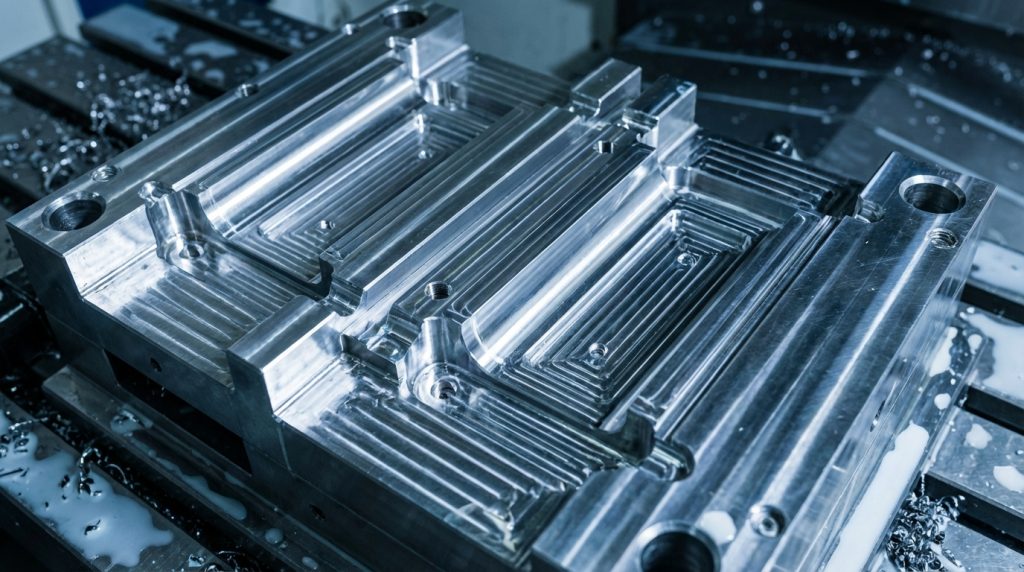
Yes, bridge tooling allows for cost-effective small batches during the development or pilot phases. Many engineers worry that injection mold manufacturing is only for millions of parts, but aluminum tools can handle lower quantities. This approach allows you to validate your design in the final material before committing to hardened steel. It serves as an essential bridge between prototyping and mass production.
Advantages of Bridge Tooling
Bridge tooling uses softer metals like aluminum to create molds much faster than steel alternatives. This reduces the initial capital investment required for smaller projects.
Here is the deal:
- Lower upfront tooling costs.
- Faster lead times for initial parts.
- Ability to test market demand quickly.
Validation Before Mass Production
Using the actual production process for low-volume runs provides the most accurate data for testing. It ensures that the part’s performance matches the expectations set during the design phase.
Believe it or not: Small issues found during this stage are much cheaper to fix than after a steel tool is cut. This proactive approach saves you both time and money in the long run.
Key Takeaway: Low-volume production via bridge tooling provides a low-risk pathway to market validation and testing.
| Run Type | Tooling Material | Ideal Volume | |
|---|---|---|---|
| Prototype | Aluminum/3D Printed | 1 – 100 units | |
| Bridge | Aluminum | 100 – 10,000 units | |
| Production | Hardened Steel | 10,000+ units |
Moving from low to high volume requires a strategic focus on cost reduction strategies.
How to reduce costs in injection mold manufacturing?
Designing for manufacturability (DFM) is the most effective way to lower expenses in your project. Optimization during the initial design phase ensures that the injection mold manufacturing process is as efficient as possible. Simple changes like adding draft angles or maintaining uniform wall thickness can prevent costly molding defects. By involving your manufacturer early, you can avoid expensive rework and wasted material.
Designing for Efficiency
Uniform wall thickness is critical for preventing sink marks and warping in your parts. This design choice ensures that the plastic cools evenly throughout the entire component.
The bottom line is:
- Faster cooling cycles.
- Reduced material waste.
- Higher success rates per shot.
Simplifying the Mold Design
Avoiding undercuts can significantly reduce the complexity and cost of the mold. If your design requires them, consider if they can be replaced by a simple shut-off.
Don’t forget this: Complex molds with many moving parts require more maintenance and have a higher risk of failure. Keeping it simple is often the best way to ensure long-term production stability.
Key Takeaway: Prioritizing DFM early in the design phase is the most direct way to minimize production costs.
| Cost Driver | Reduction Strategy | Impact | |
|---|---|---|---|
| Cycle Time | Optimize cooling channels | High | |
| Tool Complexity | Eliminate undercuts | Medium | |
| Material Choice | Use standard resins | Low |
Efficiency leads directly to quality, which is the cornerstone of any manufacturing partnership.
What defines quality in injection mold manufacturing?
Strict dimensional tolerances and surface finish consistency define high quality in this industry. When you select a partner for injection mold manufacturing , you must verify their quality management systems and inspection protocols. High-quality parts should have no visible defects like flash, splay, or short shots. Consistent quality ensures that your parts fit perfectly into the final assembly every single time.
Critical Inspection Metrics
First Article Inspection (FAI) is a vital step to ensure the mold is performing as expected. This involves a detailed measurement of the first parts produced against the original CAD file.
Here is the deal:
- Dimensional accuracy checks.
- Material property verification.
- Aesthetic finish inspections.
The Role of Process Control
Maintaining a stable molding environment is key to preventing variations in part quality. Sensors in the machine monitor pressure, temperature, and time for every single cycle.
Think about it: Even a slight change in room temperature can affect how the plastic flows. Real-time monitoring allows the machine to adjust and maintain perfect consistency.
Key Takeaway: Rigorous inspection and process control are the twin pillars of high-quality part production.
| Quality Defect | Root Cause | Prevention | |
|---|---|---|---|
| Flash | Excessive Pressure | Adjust clamping force | |
| Sink Marks | Thick Sections | Maintain uniform walls | |
| Warpage | Uneven Cooling | Optimize cooling lines |
Understanding quality metrics helps set realistic expectations for the overall project timeline.
How long does injection mold manufacturing usually take?
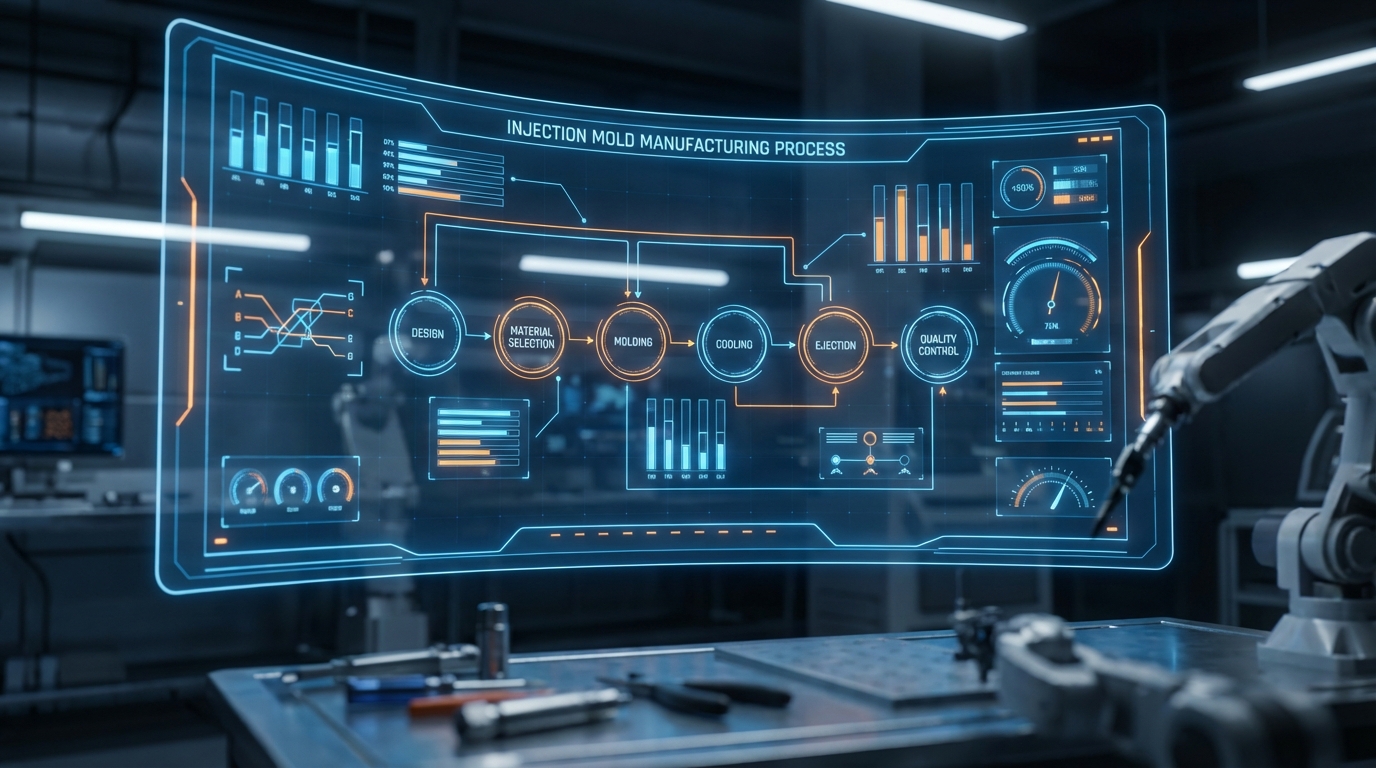
Lead times typically range from four to twelve weeks depending on the complexity of the project. This timeline includes the design, machining, and testing phases of the injection mold manufacturing process. Fast-track options may be available for simpler tools, but precision work cannot be rushed. Proper planning is essential to ensure your production schedule remains on track.
The Mold Design Phase
Designing the tool is a collaborative process that involves multiple revisions and approvals. This stage ensures that every detail of the part is correctly translated into the steel mold.
But wait, there’s more:
- DFM feedback loops.
- Cooling system layout.
- Ejection pin placement.
Machining and T1 Samples
Once the design is approved, the steel is cut using CNC machining and EDM processes. After machining, the first samples (T1) are molded and sent for your approval.
Here is the kicker: Most molds require small adjustments after the first samples are seen. This fine-tuning ensures the final product meets your exact specifications before mass production begins.
Key Takeaway: Allowing sufficient time for design and testing is crucial for delivering a high-quality finished mold.
| Phase | Duration | Output | |
|---|---|---|---|
| Design | 1 – 2 Weeks | Finalized Tool CAD | |
| Machining | 3 – 8 Weeks | Completed Metal Tool | |
| Sampling | 1 – 2 Weeks | Approved Part Samples |
Timelines are important, but sustainability is becoming a major priority for modern brands.
Can injection mold manufacturing support sustainable goals?
Yes, by utilizing recyclable resins and minimizing scrap during the cycle, the process can be quite eco-friendly. Modern injection mold manufacturing focuses on reducing energy consumption through more efficient machinery. You can also incorporate “regrind” material, which is recycled waste from previous production runs. These practices help reduce the environmental footprint of your plastic components.
Recyclable Resin Options
Many standard thermoplastics are fully recyclable and can be reused in new products. Bio-based resins are also becoming more common for brands looking to go green.
Consider this:
- Use of PCR (Post-Consumer Recycled) resin.
- Selection of biodegradable additives.
- Reduced dependence on virgin plastics.
Reducing Material Waste
Hot runner systems are a great way to eliminate the waste created by traditional cold runners. This technology keeps the plastic molten in the delivery system so it doesn’t solidify.
The result: Less scrap material to manage and lower costs for your raw materials. It is a win-win for both your budget and the planet.
Key Takeaway: Sustainable practices in molding help protect the environment while often reducing long-term material costs.
| Sustainable Act | Benefit | Environmental Impact | |
|---|---|---|---|
| Regrind Usage | Lower material cost | High | |
| Hot Runners | Zero runner waste | Very High | |
| Bio-Resins | Renewable sourcing | Medium |
Sustainability often pairs well with the cost benefits of global sourcing strategies.
Why choose offshore injection mold manufacturing services?
Global sourcing offers significant cost savings while maintaining high precision for your tooling needs. When you look at offshore injection mold manufacturing, you often find competitive pricing that isn’t available locally. This allows you to invest more in the quality of the steel or the complexity of the design. Many international facilities now operate with state-of-the-art equipment that rivals domestic shops.
Cost Savings for Tooling
The primary driver for offshore sourcing is the reduction in labor and overhead costs. These savings can be as high as 30% to 50% depending on the project.
Think about it:
- More budget for multi-cavity tools.
- Ability to fund more projects simultaneously.
- Competitive edge in pricing your final product.
Access to Global Expertise
International hubs have developed massive expertise in specific industries like electronics and automotive parts. This specialized knowledge can be invaluable for your complex engineering challenges.
The real deal: Building relationships with these experts provides a scalable extension to your local engineering team. You get the best of both worlds: local design and global production efficiency.
Key Takeaway: Offshore manufacturing provides a cost-effective way to access high-end technology and specialized industry expertise.
| Factor | Offshore Benefit | Consideration | |
|---|---|---|---|
| Price | Significantly lower | Shipping costs | |
| Quality | World-class standards | Communication gaps | |
| Capacity | Large-scale facilities | Lead time buffers |
Strategic sourcing leads to the final step of initiating your production project.
How to start an injection mold manufacturing project?
Begin by submitting a 3D CAD file for a thorough DFM analysis to identify potential issues early. This first step in injection mold manufacturing sets the foundation for a successful partnership. You should also provide a detailed 2D drawing that specifies your critical tolerances and material requirements. Clear communication at the start prevents misunderstandings and delays during the build process.
Preparing Your Documentation
A complete quote package includes your CAD data, material specs, and estimated annual volume. This information allows the manufacturer to give you an accurate price and timeline.
Don’t forget:
- Surface finish requirements.
- Packaging and shipping needs.
- Quality inspection criteria.
Reviewing the DFM Report
Once you receive the DFM report, review the suggested changes with your engineering team. These recommendations are designed to make the part easier and cheaper to mold.
Believe it or not: A small change in a rib’s thickness can be the difference between a perfect part and a defect. Trusting the expertise of your molder ensures a smoother path to production.
Key Takeaway: A well-prepared start with clear documentation and open communication ensures the success of your molding project.
| Start Step | Action Item | Goal | |
|---|---|---|---|
| File Prep | Export STEP or IGS files | Enable DFM analysis | |
| Spec Sheet | Define material and finish | Accurate quoting | |
| DFM Review | Approve design tweaks | Optimize production |
The final step is moving from planning to execution with a trusted manufacturing partner.
This article explored the critical role of precision tooling in solving scalability, complexity, and cost challenges for modern businesses. We can help you navigate these complexities by providing world-class engineering support and efficient production cycles tailored to your needs. Our vision is to empower innovation through manufacturing excellence that stands the test of time. If you are ready to elevate your product quality, contact us today for a comprehensive project consultation.
Frequently Asked Questions
Can I change the mold after it is built?It depends, as removing metal is easier than adding it back to a hardened steel tool. Small modifications can often be made via EDM, but large changes may require a new insert.
What’s the best way to choose a resin?It depends on your part’s application, environment, and mechanical stress requirements. You should always consult with your molder to match the resin’s properties to your specific needs.
How do I know if my part is ready for molding?Yes, a professional DFM analysis will confirm if your part geometry is suitable for the injection process. This report highlights potential issues like draft angles or wall thickness problems.
Can I use the same mold for different materials?No, because different resins have different shrink rates which affect the final part dimensions. Using a material other than the one the mold was designed for will result in out-of-spec parts.
How do I know if I need a multi-cavity mold?It depends on your required annual volume and the size of the part itself. Multi-cavity molds increase upfront costs but drastically lower the unit price for high-volume orders.