What is the history of injection molding production?
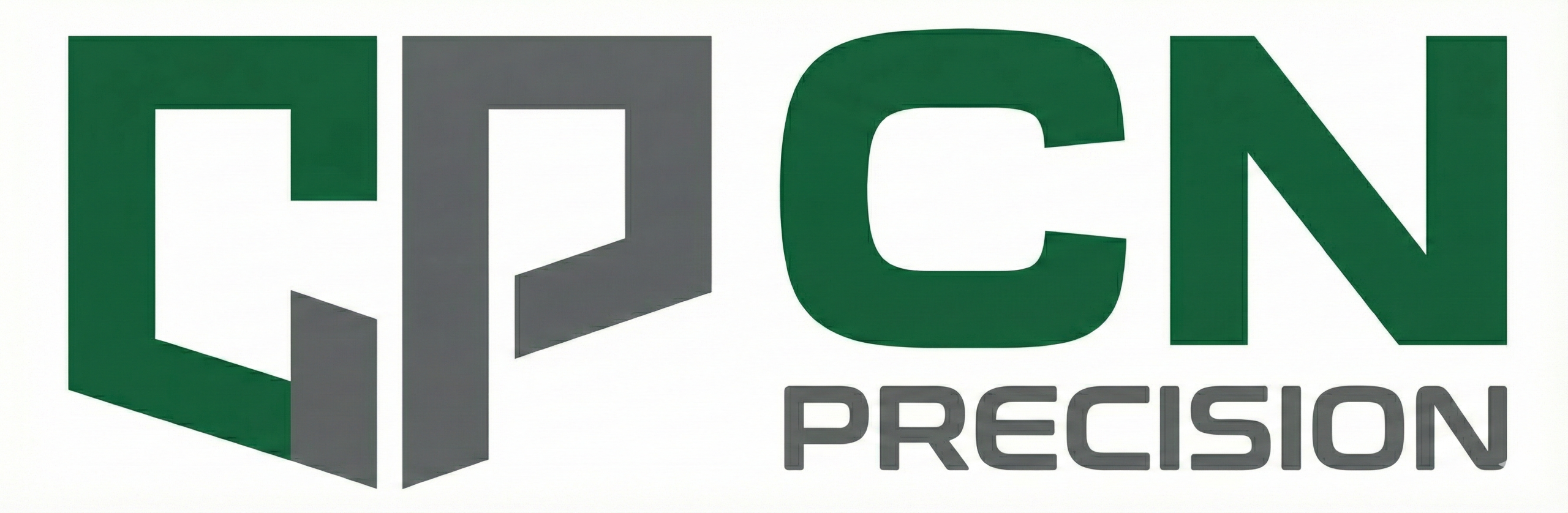
The history of this process dates back to 1872 when John Hyatt patented the first machine to solve a shortage of ivory for billiard balls. Early injection molding production was limited to simple plunger systems that lacked the control required for modern complexity. It was not until the mid-20th century that the industry transformed through the introduction of advanced screw mechanisms. These innovations turned a niche solution into a global manufacturing cornerstone.
From plunger systems to modern screws
The shift from manual plungers to reciprocating screws changed everything for manufacturers. Here is the deal: modern screw systems allow for consistent melting and homogenization of plastic resins. This ensures that every part produced has the same structural integrity and color consistency. Without this evolution, high-precision industrial components would be impossible to manufacture at scale.
Key machine components explained
Modern machines are composed of several specialized subsystems that work in perfect synchronization. Understanding these parts helps you identify where potential efficiency gains live.
- Injection Unit: Melts the plastic and pushes it into the mold.
- Clamping Unit: Holds the mold halves together under massive pressure.
- Control System: Regulates temperature, speed, and pressure timing.
Why is it the industry standard today?
Scalability and precision are the primary reasons this method dominates the manufacturing landscape. You can produce millions of parts with minimal variance, which is essential for global supply chains. The ability to integrate automation further reduces labor costs and enhances safety.
Key Takeaway: Historical advancements have turned this into a reliable, high-speed method for delivering consistent quality across millions of cycles.
| Aspect | Historical Plunger | Modern Screw System | |
|---|---|---|---|
| Mixing Quality | Poor/Inconsistent | High/Homogenous | |
| Material Range | Very Limited | Extensive | |
| Cycle Speed | Slow/Manual | Rapid/Automated |
Leveraging the evolution of machine design is critical for maximizing your manufacturing throughput.
How does injection molding production work?
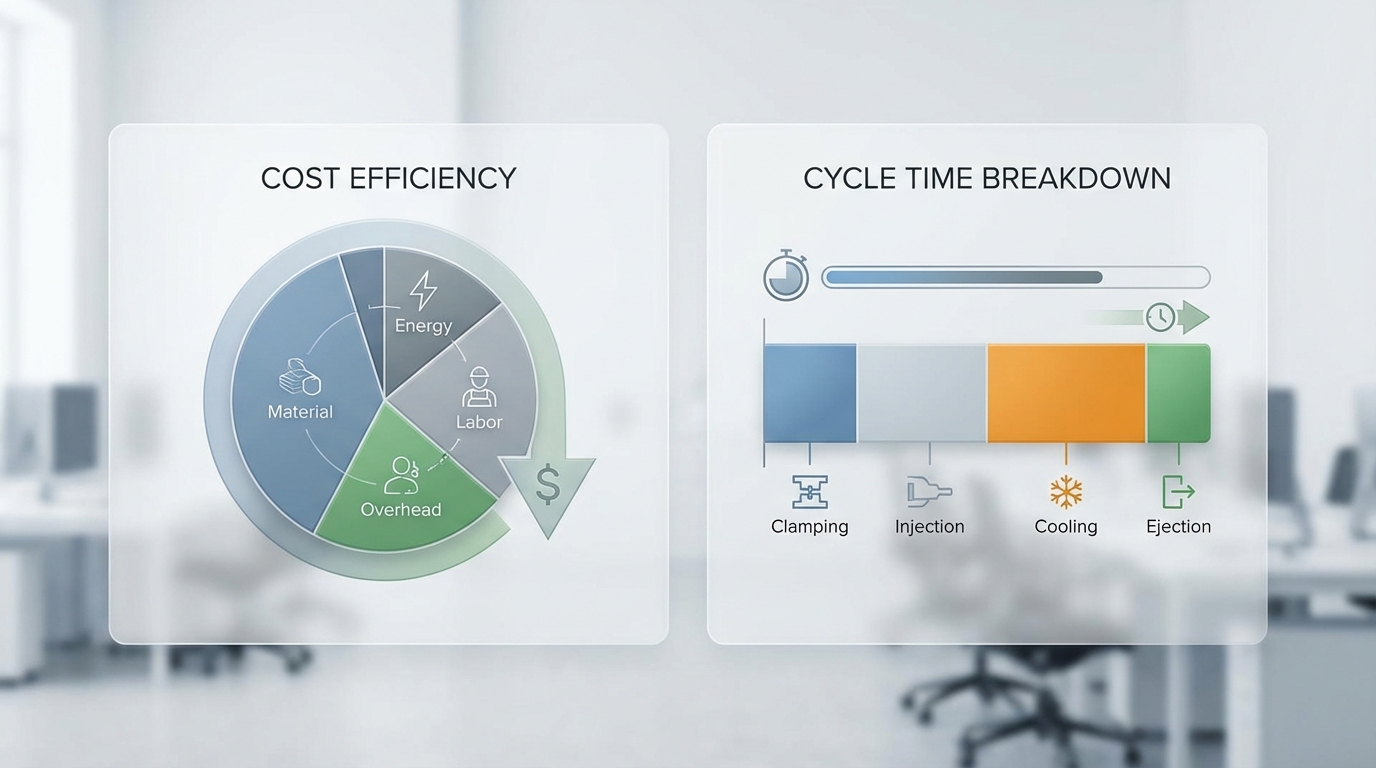
The process functions by melting plastic resin and injecting it into a precision cavity under extreme pressure. High-efficiency injection molding production relies on a cycle of heating, injecting, cooling, and ejecting. Each step must be precisely timed to ensure the part reaches its final dimensions without internal stress. This cycle repeats continuously to create identical components in seconds.
The initial mold design phase
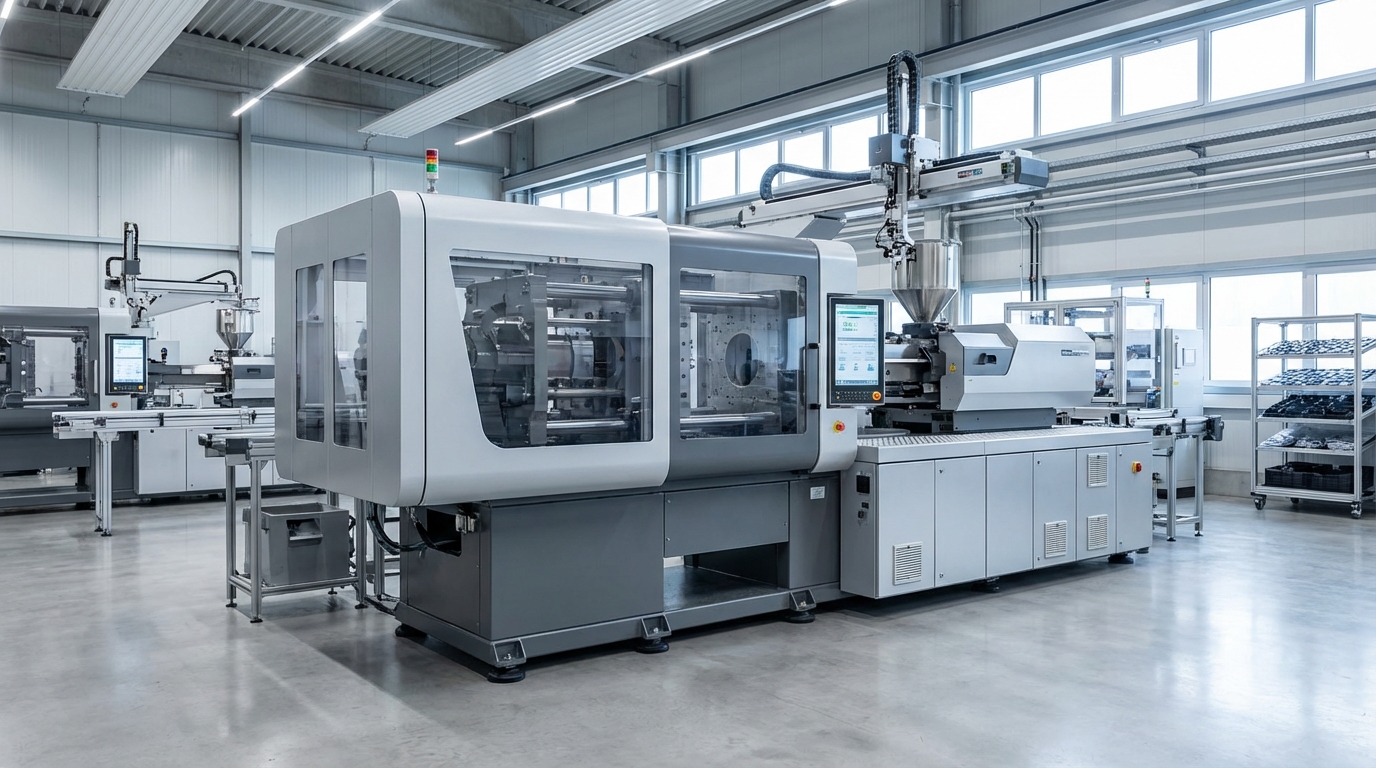
Success starts long before the machine ever turns on. Check this out: the mold design determines the cooling rate and structural integrity of your part. Proper draft angles and wall thickness are essential to prevent parts from getting stuck or warping. A well-designed mold is a long-term investment in your product’s success.
Material melting and preparation
Raw plastic pellets are fed into a heated barrel where they are transformed into a molten state.
- Drying: Removing moisture prevents structural bubbles and voids.
- Heating: Precise temperatures ensure the polymer flows correctly.
- Mixing: Screw rotation ensures additives and colors are evenly dispersed.
The injection and cooling cycle
Once molten, the plastic is injected at high speed into the mold cavity. The machine then holds pressure to “pack” the part, ensuring every corner of the design is filled. Cooling is usually the longest part of the cycle, as the plastic must solidify before ejection. Efficient cooling channels within the mold are vital for maintaining fast cycle times.
Key Takeaway: Mastering the balance between temperature, pressure, and cooling time ensures your production remains fast and defect-free.
| Phase | Purpose | Critical Factor | |
|---|---|---|---|
| Injection | Fill the cavity | High Pressure | |
| Packing | Prevent shrinkage | Holding Time | |
| Cooling | Solidify the part | Thermal Control |
A synchronized cycle is the backbone of any high-performance manufacturing operation.
What types of injection molding production exist?
Different manufacturing requirements call for specialized methods of injection molding production. While standard molding covers most needs, complex designs often require techniques like overmolding or micro molding. Selecting the right type depends on your part’s geometry, material requirements, and intended application. Each variant offers unique benefits for specific industrial challenges.
Standard and blow molding methods
Standard molding is the go-to for solid parts, while blow molding creates hollow objects.
- Standard: Best for cases, gears, and structural housings.
- Blow Molding: Ideal for bottles, tanks, and hollow containers.
- Efficiency: Both methods provide high repeatability for mass markets.
What is overmolding and insert molding?
These techniques allow you to combine multiple materials or components into a single part. But wait, there is more: overmolding can add a soft-touch grip to a hard plastic handle without using adhesives. Insert molding allows you to mold plastic around metal screws or electrical contacts. This integration reduces assembly time and strengthens the final product.
High-precision micro molding
Micro molding is used for extremely small components that require tolerances in the microns. This is essential for the medical and electronics sectors where space is at a premium. Special machines and high-grade steel molds are required to handle such tiny volumes of plastic. The precision achieved here is unmatched by almost any other plastic process.
Key Takeaway: Choosing the specific molding type allows you to integrate complex features and materials directly into the manufacturing stage.
| Molding Type | Primary Use Case | Key Advantage | |
|---|---|---|---|
| Overmolding | Multi-material parts | No assembly needed | |
| Blow Molding | Hollow containers | Lightweight structures | |
| Micro Molding | Tiny electronics | Extreme precision |
Selecting the appropriate molding technology is the first step in optimizing your product’s performance.
Why choose injection molding production?
You choose this method because it offers the best balance of speed, precision, and material choice for injection molding production . No other process can match the per-unit cost efficiency when you are producing parts in the thousands or millions. It allows for complex geometries that would be impossible or too expensive to machine. The high level of automation also ensures that your quality remains consistent over long periods.
High precision and accuracy
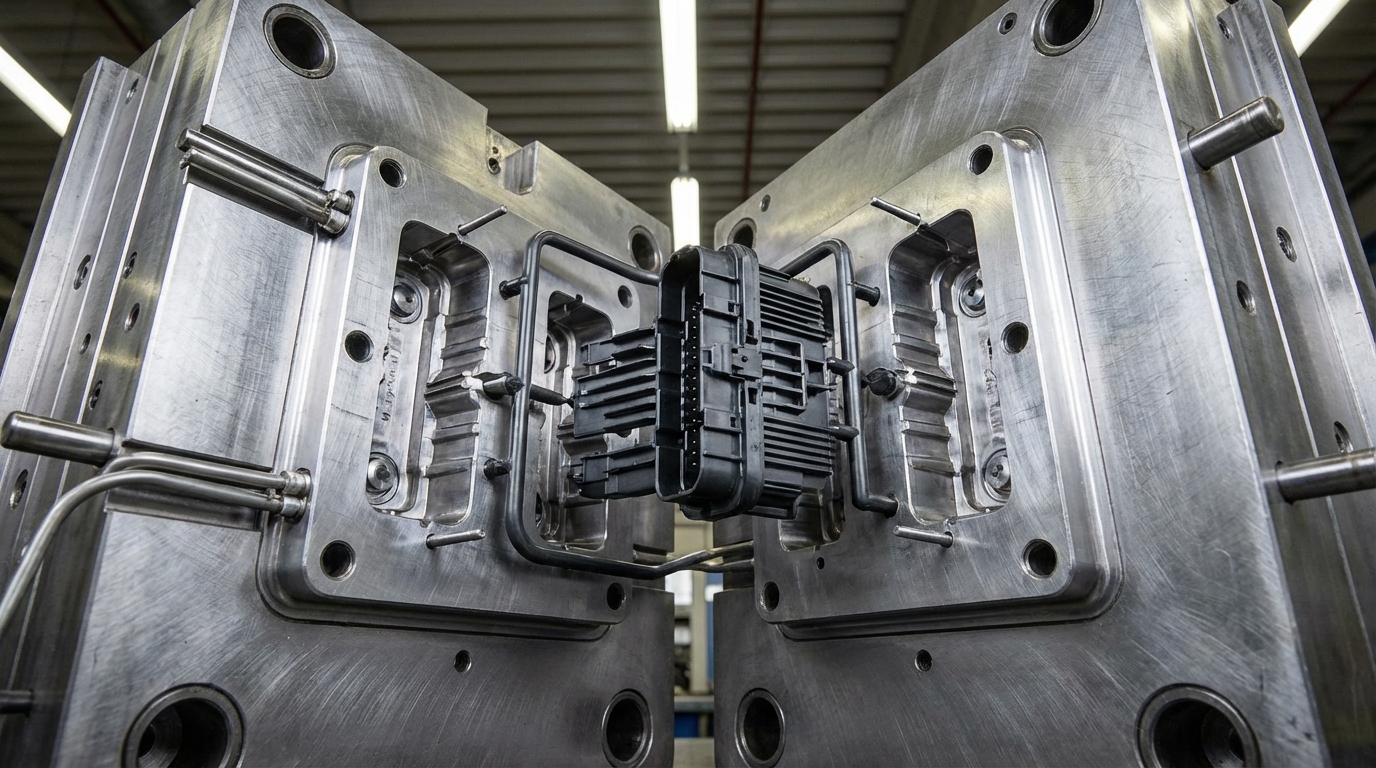
Consistency is the hallmark of a high-quality molding operation. You see: once the mold is dialed in, the variance between the first part and the millionth part is nearly zero. This level of accuracy is critical for parts that must fit into larger assemblies. It eliminates the need for manual adjustments or secondary machining.
Rapid and efficient cycle times
Cycle times for small parts can be as fast as a few seconds.
- High Volume: Produce thousands of parts in a single shift.
- Automation: Robots can handle part removal and packaging.
- Efficiency: Multi-cavity molds produce several parts at once.
Exceptional material versatility
The range of available resins is vast, allowing you to tailor part properties to your exact needs. Whether you need high heat resistance, flexibility, or chemical durability, there is a polymer that fits. You can also add glass fibers or flame retardants to enhance performance. This versatility makes it the preferred choice for engineers across all major industries.
Key Takeaway: The combination of extreme speed and material flexibility makes this process the ultimate solution for large-scale manufacturing.
| Benefit | Impact on Business | Result | |
|---|---|---|---|
| Precision | Low scrap rates | Increased Profit | |
| Speed | Faster time-to-market | Competitive Edge | |
| Versatility | Better part performance | Customer Trust |
Prioritizing these advantages allows you to outpace competitors who rely on slower, less accurate methods.
Is injection molding production expensive?
Initial costs are high due to tooling, but the long-term price for injection molding production is incredibly low. The “expense” is mostly front-loaded in the design and fabrication of the steel or aluminum mold. Once that hurdle is cleared, the cost of each individual part is primarily dictated by the price of the plastic resin. For high-volume projects, it is the most economical choice available.
Managing high initial tooling costs
Tooling is a significant investment that requires careful planning. The bottom line: a high-quality steel mold can cost tens of thousands of dollars but will last for over a million cycles. If you only need a few thousand parts, aluminum tooling may be a more cost-effective alternative. Proper maintenance extends the life of these assets, protecting your initial capital.
Achieving per-unit cost efficiency
As your volume increases, the cost per part drops dramatically.
- Amortization: Spread the mold cost over 100,000+ parts.
- Resin Pricing: Buying bulk pellets reduces material expenses.
- Automation: Lower labor costs per part through automated cells.
Drastic savings at high volumes
When you reach the stage of mass production, other methods simply cannot compete. 3D printing or CNC machining may be cheaper for five parts, but they are far more expensive for 50,000. The speed of the molding cycle means your machine time per part is measured in cents. This is why consumer goods are almost exclusively molded.
Key Takeaway: While the entry cost is high, the massive savings achieved at scale make this the most profitable manufacturing route.
| Volume Level | Cost per Part | Recommended Method | |
|---|---|---|---|
| 1 – 100 | High | 3D Printing | |
| 100 – 2,000 | Medium | CNC / Bridge Tooling | |
| 10,000+ | Very Low | Injection Molding |
Analyzing your projected volume is essential for determining the financial viability of your tooling investment.
What materials fit injection molding production?
A vast array of polymers can be used to meet the specific demands of injection molding production . From common plastics used in household goods to high-performance resins used in aerospace, the options are nearly limitless. Choosing the right material requires an understanding of mechanical properties, thermal stability, and environmental exposure. Each resin type behaves differently during the molding process.
Choosing popular thermoplastics
Thermoplastics are the most common materials used because they can be melted and reformed.
- ABS: Strong and impact-resistant, used for electronics.
- Polypropylene: Flexible and chemical-resistant, ideal for packaging.
- Polycarbonate: Transparent and extremely tough, used for lenses.
Using thermosets and elastomers
Thermosets undergo a chemical change when heated and cannot be remelted once cured. It gets better: these materials offer superior heat resistance and structural stability in extreme environments. Elastomers, or TPEs, provide rubber-like properties and flexibility. These are often used for seals, gaskets, and soft-touch surfaces through overmolding.
How to pick the right resin?
Selecting a resin involves balancing performance with cost and manufacturability. You must consider the part’s operating temperature and whether it will be exposed to sunlight or chemicals. Some materials shrink more than others, which must be accounted for in the mold design. Consulting with a material expert can prevent costly failures during production.
Key Takeaway: The ability to select from thousands of specialized resins ensures that your part can meet any functional requirement.
| Material Group | Common Name | Key Property | |
|---|---|---|---|
| Commodity | Polyethylene | Low Cost / Flexible | |
| Engineering | Nylon (PA) | Strength / Wear Resistance | |
| High-Performance | PEEK | Heat / Chemical Resistance |
Matching material properties to your application environment is critical for long-term product durability.
Who uses injection molding production most?
The biggest drivers of injection molding production are industries that require high volumes of precise, durable parts. Automotive, medical, and consumer electronics companies rely on this process to maintain their complex supply chains. Because these sectors demand strict compliance with safety and quality standards, they benefit from the repeatability of molded parts. This technology is essential for any field requiring mass-scale physical goods.
Automotive industry components
Cars are increasingly made of plastic to reduce weight and improve fuel efficiency. Simply put: almost everything you touch inside a vehicle cabin is a molded component. From dashboards to door handles and under-the-hood clips, molding provides the durability required for years of use. It also allows for aesthetic finishes that enhance the vehicle’s interior.
Critical medical device standards
The medical sector requires parts that are sterile, precise, and biocompatible.
- Disposable Tools: Syringes and vials produced by the millions.
- Precision Parts: Inhaler housings and diagnostic components.
- Compliance: Molding in cleanroom environments meets FDA standards.
Electronics and consumer packaging
Your smartphone, laptop, and kitchen appliances are all encased in injection-molded housings. This method provides the thin-walled, lightweight protection necessary for modern portable devices. In packaging, molding creates the caps, closures, and containers that protect food and pharmaceuticals. The high throughput ensures that these low-margin items remain profitable.
Key Takeaway: Major global industries rely on this process to deliver safe, lightweight, and cost-effective products to consumers.
| Industry | Typical Molded Part | Required Standard | |
|---|---|---|---|
| Automotive | Dashboard Panels | IATF 16949 | |
| Medical | Syringe Barrels | ISO 13485 | |
| Electronics | Phone Cases | UL 94 Flame Rating |
Understanding industry-specific requirements helps you choose a manufacturing partner with the right certifications.
Can defects hurt injection molding production?
Defects are a significant threat to the quality and profitability of injection molding production . Common issues like warping, sink marks, and flash can lead to high scrap rates and delayed shipments. Most defects are caused by improper machine settings, poor mold design, or inconsistent material quality. Proactive monitoring and strict process control are the only ways to ensure a high yield of perfect parts.
Solving sink marks and warping
These issues are usually related to how the part cools after injection. Here is the secret: uniform wall thickness is the most effective way to prevent warping. Sink marks occur when thick sections of plastic cool slower than the surface, causing a depression. Adjusting the packing pressure and cooling time can often mitigate these visual flaws.
Preventing short shots and flash
Short shots happen when the plastic fails to fill the entire cavity.
- Short Shots: Caused by low pressure or cold material.
- Flash: Excess plastic leaking out of the mold seams.
- Fix: Regular mold maintenance and pressure calibration.
Implementing strict quality control
Automated sensors and vision systems can detect defects in real-time. This allows the machine to automatically discard bad parts without stopping the entire line. Regular inspections ensure that the mold is not wearing down and that dimensions remain within tolerance. A robust quality management system is non-negotiable for high-stakes manufacturing.
Key Takeaway: Vigilant process monitoring and smart design choices are the best defenses against costly manufacturing defects.
| Defect | Likely Cause | Solution | |
|---|---|---|---|
| Warping | Uneven Cooling | Improve Mold Cooling | |
| Flash | Low Clamping Force | Increase Clamp Pressure | |
| Burn Marks | Trapped Gas | Improve Mold Venting |
Strict adherence to quality protocols ensures your production remains profitable and your customers stay satisfied.
Is injection molding production for prototypes?
Yes, it is often the preferred choice for prototypes that need to match the performance of the final injection molding production run. While 3D printing is faster for initial shapes, it cannot replicate the mechanical properties of a molded part. Using rapid tooling allows you to test your design with the actual production resin. This provides critical data on how the part will behave under real-world stress.
The benefits of rapid tooling
Rapid tooling uses softer metals like aluminum to create molds quickly. Look at it this way: you can have functional parts in days instead of weeks. This is perfect for functional testing, bridge production, or low-volume market launches. It allows you to refine your design before committing to expensive hardened steel molds.
Transitioning to mass production
Prototyping with molding makes the jump to high volume much smoother.
- Validation: Test fit and function with real materials.
- Scaling: Use prototype data to optimize the final steel mold.
- Speed: Bridge tooling keeps your project moving during final mold builds.
Testing part form and function
Molded prototypes allow you to test assembly procedures and consumer reactions. You can verify that snap-fits work correctly and that textures meet your brand’s standards. Testing with the final material also ensures that the part meets safety and regulatory requirements. This phase is essential for de-risking your product launch.
Key Takeaway: Prototyping with injection molding ensures that your design is fully validated and ready for the rigors of mass production.
| Factor | 3D Printed Prototype | Molded Prototype | |
|---|---|---|---|
| Material Choice | Limited | Any Injection Resin | |
| Strength | Lower (Layered) | High (Isotropic) | |
| Surface Finish | Rough | Smooth / Textured |
Using molded prototypes significantly reduces the risk of discovering design flaws during the mass production stage.
What are FAQs for injection molding production?
Navigating the complexities of injection molding production often leads to specific technical questions regarding design and materials. Addressing these concerns early helps you avoid common pitfalls and optimize your manufacturing strategy. Whether you are curious about sustainability or design readiness, clear answers are essential for progress. Here are the most frequent inquiries from industry professionals.
Can I use recycled plastic resins?
Yes, you can use recycled resins, but you must account for potential variations in material properties. Recycled plastic often has a different melt flow and may require additives to maintain the structural integrity of your part. Using a blend of virgin and recycled material is a common way to achieve sustainability goals without sacrificing quality.
What’s the best material for durability?
It depends, as durability is defined by your specific application’s environment. For high impact resistance, polycarbonate or ABS are excellent choices, while Nylon is better for parts that must resist friction and wear. If your part faces extreme heat and chemicals, a high-performance resin like PEEK is the gold standard for long-term survival.
How do I know if my design is ready?
No design is truly ready until it has undergone a thorough DFM (Design for Manufacturing) analysis. You must ensure your part has uniform wall thickness, appropriate draft angles, and located gate points that won’t ruin the aesthetics. A manufacturing partner can review your CAD files to identify potential issues like sink marks or air traps before you cut steel.
What is the best way to reduce costs?
It depends on whether you want to reduce upfront capital or long-term per-unit pricing. Reducing part complexity and size can lower tooling costs, while increasing the number of cavities in a mold will lower the per-part cost over time. Optimizing the cooling cycle is also a major driver for reducing overall machine time and expense.
Can I change my mold after it is built?
It depends on the type of change and the material of the mold. Adding material (making a cavity smaller) is difficult and expensive, while removing material (making a cavity larger) is relatively straightforward. This is why it is critical to finalize your design and use prototypes before investing in high-volume production tooling.
Navigating the complexities of large-scale manufacturing requires a partner who understands the nuances of precision engineering. We have explored the history, processes, and strategic advantages that make injection molding the dominant force in modern production. Whether you are facing high defect rates or struggling to scale a prototype, we provide the technical expertise to turn your designs into high-performance reality. Our commitment to excellence ensures your components meet the strictest tolerances and the most demanding timelines. To secure the future of your project and optimize your supply chain, contact us today for a comprehensive consultation. We don’t just mold plastic; we shape the future of your brand with precision and reliability.