
Engineering plastics are high-performance polymers specifically formulated to maintain structural integrity in demanding environments where commodity resins typically fail. You likely face the challenge of choosing materials that can withstand heat, friction, and chemicals without breaking the budget. This constant struggle can lead to product failure or over-engineering with heavy, expensive metals. Our solution is the strategic use of engineering plastics , which offer the perfect balance of strength and versatility for your technical projects.
What are engineering plastics exactly?
Engineering plastics are a specialized class of polymers designed to exhibit enhanced mechanical, thermal, and chemical properties compared to standard commodity resins. When you choose engineering plastics for your components, you are investing in materials capable of high-performance technical applications like gears or bearings. These resins differ from everyday plastics because they undergo rigorous formulation to meet industrial standards.
How do they differ from commodity plastics?
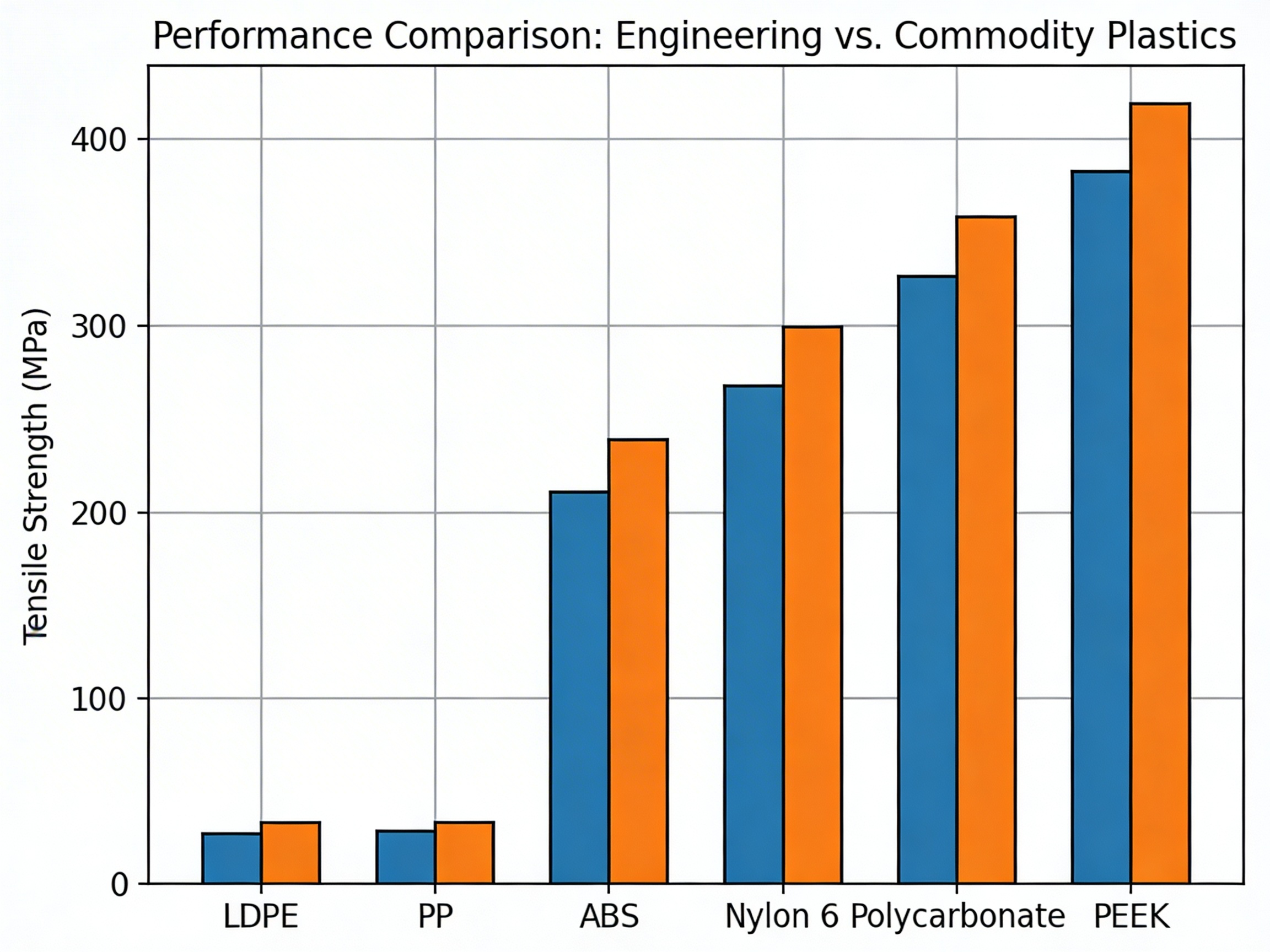
Commodity plastics are used for low-stress items like packaging, but engineering grades are built for technical endurance. Here is the deal: you need these advanced resins when your parts must survive mechanical loads or extreme temperatures.
- Enhanced tensile strength
- Higher heat deflection
- Better chemical resistance
| Feature | Commodity Plastics | Engineering Plastics | |
|---|---|---|---|
| Application | Packaging, Toys | Gears, Medical Implants | |
| Durability | Low | High | |
| Cost | Minimal | Strategic Investment |
Key Takeaway: Understanding the baseline definition helps you distinguish between materials meant for simple disposable items and those required for critical mechanical assemblies. Engineering plastics provide a reliable foundation for robust product design. These plastics ensure long-term functionality in high-stress environments.
Why are engineering plastics vital for industry?
These materials are crucial because they offer a lightweight, cost-effective alternative to metals without sacrificing the necessary strength or durability. By utilizing engineering plastics , you can reduce the overall weight of vehicles and machinery, leading to significant fuel savings and lower shipping costs. Modern manufacturing depends on these versatile resins to push the boundaries of design and performance.
How do they improve production efficiency?
Efficiency increases when you switch to molded plastics that require less post-processing than machined metal components. But wait, there’s more: these resins allow for part consolidation, where a single molded piece replaces multiple metal parts.
- Reduced assembly time
- Lower material waste
- Integrated functional features
| Impact Factor | Traditional Metals | Engineering Plastics | |
|---|---|---|---|
| Component Weight | Heavy | Lightweight | |
| Design Flexibility | Limited | Exceptional | |
| Corrosion Risk | High | Low to None |
Key Takeaway: You can achieve higher efficiency and lower operational costs by integrating these advanced polymers into your supply chain. Their versatility directly addresses the need for lighter and faster production cycles. This shift represents a major competitive advantage in global markets.
What properties define engineering plastics?
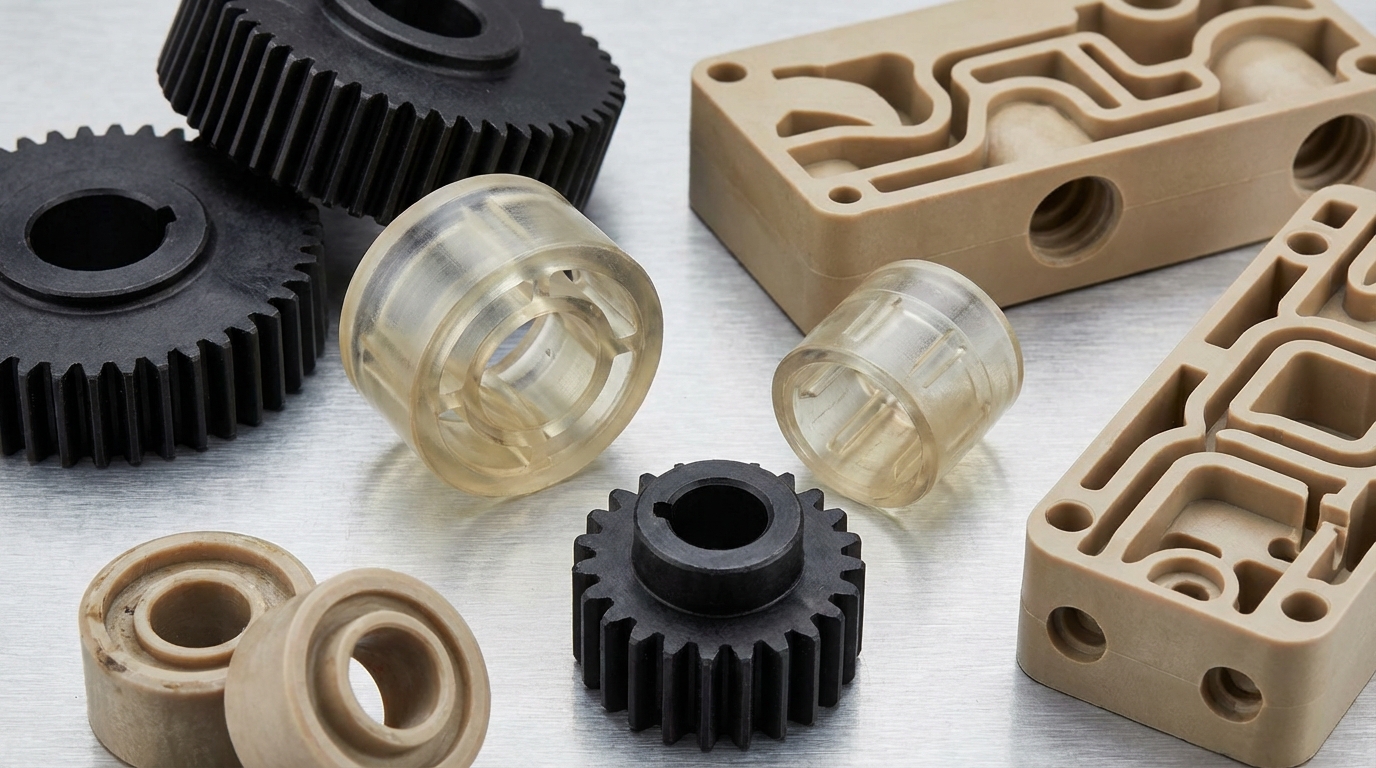
The primary properties include high impact strength, excellent abrasion resistance, and superior dimensional stability under varying temperature ranges. Selecting the right engineering plastics involves analyzing how these characteristics will interact with your specific application requirements. You must consider factors like electrical insulation and UV resistance to ensure longevity in the field.
Why is dimensional stability important?
Dimensional stability ensures that your parts maintain their exact shape and size even when exposed to high heat or humidity. You will find that this property is vital for precision assemblies where even a fraction of a millimeter matters for performance.
- Prevents warping over time
- Ensures tight tolerances
- Maintains fit in assemblies
| Critical Property | Benefit to User | Example Use Case | |
|---|---|---|---|
| Impact Strength | Resists sudden shocks | Protective Housings | |
| Sliding Properties | Reduces friction | Bearings and Bushings | |
| UV Resistance | Prevents degradation | Outdoor Equipment |
Key Takeaway: Identifying the specific properties required for your environment prevents premature part failure and ensures user safety. High-performance resins provide a predictable response to environmental stressors. Consistent material behavior is the hallmark of quality engineering.
How do these plastics resist chemical damage?
Most engineering plastics feature a molecular structure that makes them naturally inert to various oils, solvents, and aggressive industrial chemicals. When you work with engineering plastics , you are choosing materials that will not corrode or degrade when exposed to harsh cleaning agents or fuels. This resistance is a primary reason why they replace metals in fluid handling and chemical processing.
What makes PTFE and PEEK so special?
These specific polymers offer the highest levels of chemical resistance, remaining stable where almost all other materials would dissolve. The deal is simple: if your application involves aggressive acids, these high-performance grades are your best defense.
- Inert to most solvents
- High temperature stability
- Low moisture absorption
| Material Type | Resistance Level | Typical Chemical Environment | |
|---|---|---|---|
| Standard Nylon | Moderate | Oils and Greases | |
| PEEK | Extreme | Industrial Acids | |
| PTFE | Universal | High-Purity Chemicals |
Key Takeaway: Chemical resistance extends the lifecycle of your components and reduces maintenance requirements in volatile environments. Choosing the right resin protects your equipment from the invisible threat of corrosive substances. Superior chemical barriers are essential for industrial safety.
Which types of engineering plastics are most common?
The most widely used types include Nylon (Polyamide), Acrylonitrile Butadiene Styrene (ABS), and Polycarbonate (PC), each offering unique strengths for different applications. You can rely on these common engineering plastics for everything from automotive interior trim to durable consumer electronics housings. Their widespread availability makes them a cost-effective choice for large-scale production runs.
Is Nylon the best choice for your project?
Nylon is prized for its extreme toughness and wear resistance, making it perfect for gears and high-friction components. Believe it or not, its ability to absorb impact while maintaining stiffness makes it a top-tier structural material.
- High fatigue resistance
- Excellent self-lubrication
- Versatile grades available
| Common Plastic | Key Advantage | Typical Application | |
|---|---|---|---|
| ABS | Aesthetic Finish | Toy Housings | |
| Polycarbonate | Optical Clarity | Safety Glasses | |
| Nylon 6 | Mechanical Toughness | Industrial Rollers |
Key Takeaway: Familiarizing yourself with these common grades allows you to make informed decisions that balance performance with material costs. Each resin serves a specific niche in the manufacturing world. Selecting the right base polymer is the first step toward success.
How does thermal stability benefit your design?
Thermal stability allows components to retain their mechanical strength and shape at temperatures that would melt or weaken standard resins. High-performance engineering plastics can operate continuously at temperatures exceeding 150°C, providing a reliable solution for engine compartments and industrial ovens. This property ensures your products perform safely in heat-intensive environments.
What is the glass transition temperature?
This is the point where a plastic transitions from a hard, glassy state to a soft, rubbery one. You need to know this value because it defines the upper limit of your material’s structural usefulness during operation.
- Defines heat deflection
- Impact on stiffness
- Critical for safety margins
| Resin Grade | Max Use Temp (°C) | Thermal Stability Rating | |
|---|---|---|---|
| ABS | ~80 | Standard | |
| Polycarbonate | ~120 | Good | |
| PEEK | ~250 | Exceptional |
Key Takeaway: Understanding thermal limits prevents catastrophic failure in high-heat applications and ensures long-term structural integrity. Reliable thermal performance is non-negotiable for aerospace and automotive safety. Advanced resins provide the necessary heat resistance for modern technology.
Can engineering plastics replace heavy metal parts?
Yes, they can effectively replace metals in many structural applications, offering weight reductions of up to 50% while maintaining required load-bearing capacities. You will find that switching to engineering plastics reduces inertia in moving parts and simplifies complex assembly processes. Metal replacement projects often lead to significant cost savings across the entire product lifecycle.
How do you start a metal-to-plastic conversion?
The process begins with a careful analysis of the stresses and environmental conditions the part will face. It gets better: many plastics can be reinforced with glass or carbon fibers to match the stiffness of aluminum or steel.
- Review load requirements
- Evaluate thermal expansion
- Assess part consolidation
| Conversion Factor | Metal Part | Plastic Replacement | |
|---|---|---|---|
| Weight | High | Low | |
| Corrosion | Likely | Unlikely | |
| Part Count | Multiple | Integrated Single Part |
Key Takeaway: Metal replacement strategies empower you to create lighter, more efficient products that are easier to transport and handle. Removing weight without sacrificing strength is a primary goal in modern engineering. Plastics are the key to this evolution.
What industries rely on engineering plastics today?
Industries such as automotive, aerospace, medical, and electronics are the primary users of these high-performance materials due to their specialized needs. You can see engineering plastics in action every time you look at a car dashboard, a surgical tool, or a laptop housing. These sectors demand a level of precision and durability that only advanced polymers can provide.
Why does the medical field prefer these resins?
Medical device manufacturers require materials that are biocompatible and can withstand repeated sterilization cycles in an autoclave. Here is the deal: polymers like Polysulfone and PEEK are non-reactive and extremely durable, making them ideal for surgical instruments.
- Biocompatibility
- Sterilization resistance
- High purity standards
| Industry | Primary Need | Common Materials Used | |
|---|---|---|---|
| Automotive | Heat & Impact | Nylon, ABS, PC | |
| Aerospace | Flame Retardancy | PEI, PEEK | |
| Electronics | Insulation | PBT, PPS |
Key Takeaway: Recognizing how different industries utilize these resins helps you apply proven material solutions to your own unique challenges. Industry-specific resins ensure compliance with strict safety and health regulations. These materials are the backbone of modern technological progress.
How are custom parts manufactured from these resins?
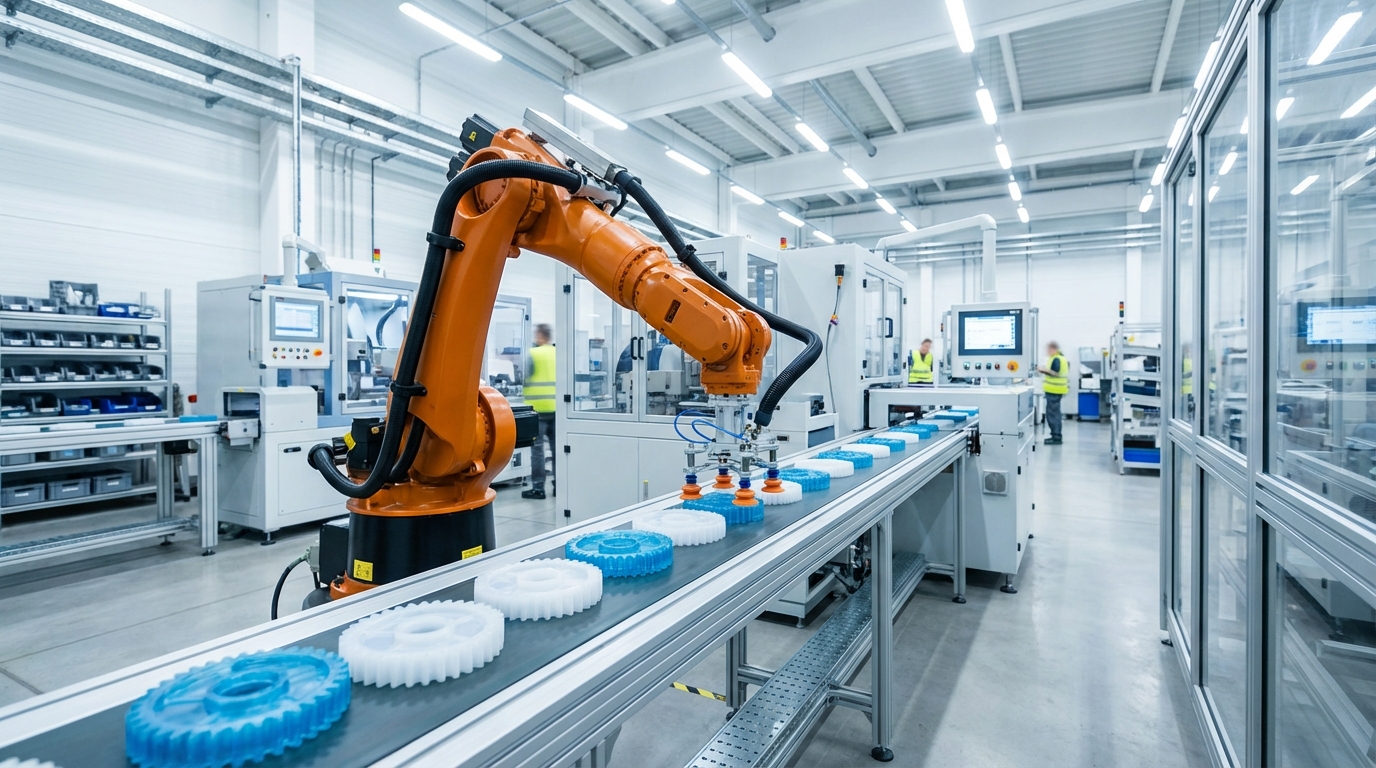
The most common methods for producing precision components are injection molding, CNC machining, and high-performance 3D printing. You will typically choose injection molding for high-volume production, as it offers the lowest cost per part and exceptional repeatability. For prototypes or low-volume specialized items, CNC machining from solid plastic blocks is often the preferred route.
What is the role of DFM in plastic production?
Design for Manufacturability (DFM) ensures your part geometry is optimized for the molding process to prevent defects like sink marks or warping. But wait, there’s more: a good DFM review can identify ways to reduce tooling costs and speed up your time-to-market.
- Wall thickness optimization
- Draft angle implementation
- Gate location selection
| Process | Best Volume | Precision Level | |
|---|---|---|---|
| Injection Molding | High (1000+) | Excellent | |
| CNC Machining | Low to Mid | Superior | |
| 3D Printing | Prototyping | Good |
Key Takeaway: Selecting the appropriate manufacturing process for your chosen resin ensures that you achieve the desired quality at the best possible price point. Modern manufacturing technologies make complex plastic designs achievable. Efficiency in production starts with smart material and process pairing.
Which engineering plastics suit medical devices?
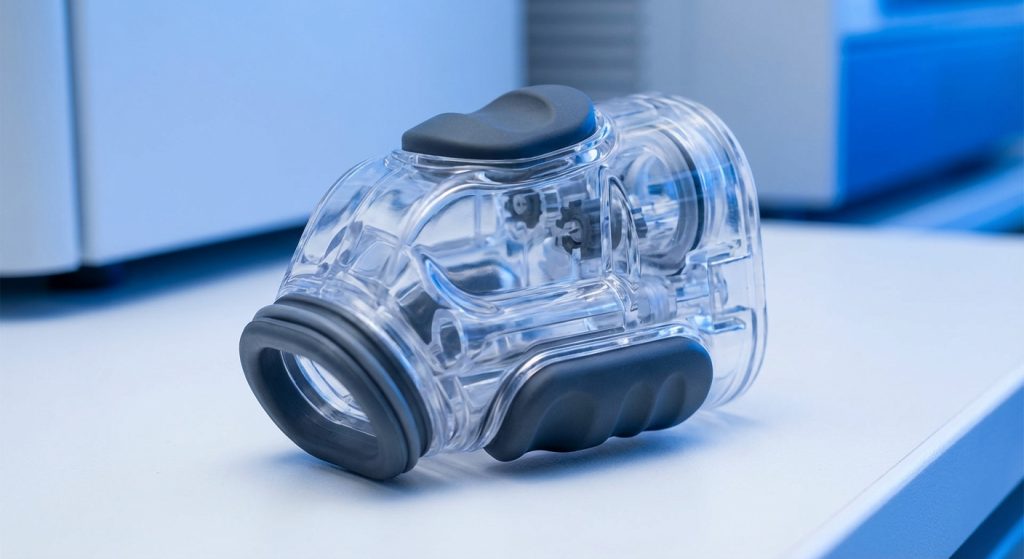
The best plastics for medical applications are those that are chemically inert, non-toxic, and capable of maintaining their properties through harsh sterilization procedures. When you select engineering plastics for medical equipment, you must prioritize materials that have passed rigorous biocompatibility testing. Common choices include high-grade Polycarbonate and specialized Polysulfones for clear, durable housings.
Can these plastics handle autoclave heat?
Yes, high-performance grades like PEEK and PSU are designed to survive the intense heat and pressure of repeated steam sterilization without degrading. The bottom line is: you can trust these resins to remain safe and functional throughout the entire service life of a medical instrument.
- High heat deflection
- Steam resistance
- Minimal chemical leaching
| Medical Plastic | Key Feature | Device Application | |
|---|---|---|---|
| Polysulfone (PSU) | Translucent & Tough | Surgical Trays | |
| PEEK | Structural Strength | Spinal Implants | |
| Polycarbonate | Impact Resistance | Dialysis Components |
Key Takeaway: Prioritizing patient safety through the use of medical-grade resins protects your brand and ensures the highest level of care. These specialized materials bridge the gap between industrial strength and biological safety. Investing in medical plastics is an investment in human health.
Frequently Asked Questions
Can I recycle high-performance engineering plastics?Yes, most of these materials are thermoplastics, which means they can be melted down and reformed into new components multiple times. The reason they are recyclable is their polymer structure allows for thermal processing, though some high-heat grades require specialized recycling facilities.
What’s the best way to choose a resin for gears?Nylon is generally considered the best choice because of its natural lubricity and high wear resistance. This is because gears experience constant friction and heat, and Nylon’s ability to dissipate that energy prevents premature teeth failure.
How do I know if my part needs an engineering plastic?You should evaluate if the component will be exposed to temperatures above 60°C or significant mechanical loads. If a standard plastic like Polypropylene would warp or fail under these conditions, then a higher-grade engineering resin is required for safety and functionality.
Can engineering plastics withstand outdoor UV exposure?Certain resins like Acrylic (PMMA) and specially stabilized Polycarbonates are excellent for outdoor use. They are effective because they contain additives that prevent the sun’s ultraviolet rays from breaking down the polymer chains, which avoids yellowing and brittleness.
What’s the best material for replacing heavy steel parts?Glass-filled Nylon or PEEK are often the top choices for structural metal replacement. These resins are selected because the glass fibers add significant stiffness and tensile strength, allowing the plastic to support loads that would normally require aluminum or steel.
Strategic Conclusion: Designing the Future
Mastering the use of engineering plastics is no longer optional for businesses aiming to lead in the global manufacturing landscape. We have solved the problem of material failure in extreme environments by providing clear pathways for selecting and manufacturing with these advanced resins. You can now take the initiative to transform your heavy, expensive metal assemblies into lightweight, durable, and high-precision plastic components.
At CN Precision, our vision is to empower innovation through meticulous craftsmanship and industry-leading expertise. We specialize in turning complex material challenges into streamlined manufacturing successes, ensuring your products exceed the highest standards of quality and performance. If you are ready to optimize your next project for peak efficiency and reliability, contact us today to start your journey toward manufacturing excellence. High-performance design starts with the right partner and the right material. Let us help you build a more durable future.