
The Problem Isn't Finding Suppliers.
It's Running Projects Successfully.
In Automotive, Medical, and Electronics manufacturing, delays don't come from lack of options—they come from fragmented workflows, unclear accountability, and suppliers who can't handle complexity from start to finish.
Shrinking Timelines
Product cycles compressed by 40%, but coordination takes longer than ever
Rising Coordination Costs
Engineering and procurement spend more time managing suppliers than developing products
Unstable Supply Chains
Suppliers promise capabilities they can't consistently deliver at scale
Five Hidden Costs That Drain Every Industrial Project
These aren't technical problems—they're structural failures that show up after contracts are signed, when it's too expensive to change suppliers.
Fast Quotes, Slow Reality
Pricing comes within hours, but rework requests pile up weeks into production because issues weren't caught upfront.
DFM Without Ownership
Design reviews happen, but no one takes accountability when manufacturability issues surface during tooling or mass production.
Sample Success, Production Failure
First articles meet specs perfectly, then consistency collapses when volume scales because processes weren't designed for repeatability.
Unpredictable Schedules
Delivery dates shift weekly with vague explanations, forcing you to buffer timelines and lose competitive advantage.
Multiple Contacts, Zero Accountability
Sales handles pricing, engineering handles design, production handles delivery—but when problems arise, everyone points elsewhere.
Why These Problems Keep Repeating Across Industries
You didn't choose the wrong supplier—the traditional fragmented supply model makes consistent execution nearly impossible.
Capabilities Split Across Multiple Vendors
One supplier builds the mold, another runs injection molding, a third handles CNC machining. Each optimizes their piece while the overall project suffers from coordination gaps, compatibility issues, and finger-pointing when quality problems emerge.
No Single Point of Accountability
When your team becomes the project manager coordinating between separate mold makers, molders, and secondary processors, efficiency disappears. Miscommunication compounds, and no supplier takes responsibility for end-to-end project success.
Suppliers Optimize Their Stage, Not Your Outcome
A mold builder focuses on delivering tools on time, not whether those tools enable efficient production. Molders focus on cycle time, not long-term dimensional stability. Each party succeeds by their metrics while your project requirements slip through the cracks.
How Traditional Supply Chains Create Failure Points
Stop managing disconnected suppliers. Work with an integrated manufacturing partner.
Explore Integrated SolutionsHow We Think About Industrial Projects Differently
We don't just execute tasks—we engineer complete solutions with manufacturability, scalability, and long-term consistency built into every decision from day one.
NPI Perspective on Tooling
We evaluate every mold design through the lens of New Product Introduction—not just whether the tool can produce parts, but whether it enables risk-free scaling.
- Design tolerances validated against production equipment capabilities
- Critical dimensions identified and controlled from T1 onwards
- Tool design accommodates future volume increases without rebuild
Production-First Mold Architecture
Mass production requirements drive our upfront design decisions, preventing the costly "works in sampling, fails at volume" problem.
- Cooling systems designed for target cycle times and thermal stability
- Gate locations optimize fill pattern consistency across cavities
- Ejection mechanisms proven through cycle simulations before steel cut
Long-Term Stability Informs Early Choices
We reverse-engineer requirements from your 2-3 year supply needs back to material selection, tool steel grades, and process control protocols.
- Material grades selected for dimensional consistency over time
- Tool maintenance schedules built into design from the start
- Process windows established wide enough to accommodate minor variations
Complete Project Lifecycle Integration
See how integrated thinking delivers better outcomes for your next project
Request Project AssessmentIndustrial Projects Need Certainty, Not Just Competitive Pricing
The cheapest quote becomes the most expensive disaster when timelines slip, rework piles up, and management loses confidence in the supply chain.
Low Price, High Uncertainty
- Schedules that change weekly with vague explanations
- Quality issues discovered only after full production begins
- Communication breakdowns requiring constant follow-up
- Hidden costs emerging as project complexity reveals itself
- No accountability when problems span multiple process stages
Predictable Execution, Controlled Risk
- Milestone dates you can build product launches around with confidence
- Process validation proving consistency before mass production commitment
- Single point of contact with authority to resolve cross-functional issues
- Transparent pricing based on realistic scope understanding
- End-to-end responsibility from design review through volume production
Four Pillars of Predictable Project Execution
Timeline Predictability
Milestone dates locked after thorough engineering review, not adjusted weekly based on capacity
Quality Repeatability
Process controls validated to deliver identical results across production runs and tool maintenance cycles
Communication Clarity
Defined escalation paths and decision-making authority eliminate coordination waste
Early Risk Exposure
Potential issues flagged during DFM phase when changes are cheap, not during production when costs explode
How We Move Risk Forward, Not Discover It During Production
The costliest problems are the ones you find after tooling investment. We engineer projects to expose risks early when changes are inexpensive, not later when they're catastrophic.
Critical Structure Risk Locked at Launch
Before any steel is cut or orders are placed, we identify and resolve the structural risks that kill production efficiency—wall thickness gradients, draft angles, ejection interference, and gate locations that cause warpage.
- Material flow analysis reveals potential weak zones before tooling
- Ejection system design validates against worst-case molding conditions
- Critical dimensions flagged and tolerance bands established upfront
Production Cycle Time Built Into Tooling Design
We don't design molds for sampling—we design for the cycle times and output volumes your business case requires, ensuring profitability from day one of mass production.
- Cooling channel layout optimized for target cycle time achievement
- Multi-cavity designs balanced to eliminate shot-to-shot variation
- Venting systems engineered to prevent quality degradation at speed
Materials and Dimensions Verified in First Sampling Round
The first T1 samples aren't just for form and fit—they're full material property validation, dimensional stability testing, and process window establishment so production doesn't bring surprises.
- Critical dimensions measured against tolerance bands under production conditions
- Material properties validated through full mechanical testing protocol
- Process parameter windows established and documented for production handoff
Problems Cost Less Early
A design change before tooling costs hours. The same change during production costs thousands in scrap, rework, and schedule delays.
Confidence Comes from Testing
We validate assumptions through simulation and first-shot testing, not by hoping everything works when your launch date arrives.
Documentation Creates Repeatability
Every validated parameter becomes a control point for production, ensuring consistency across operators, shifts, and maintenance cycles.
Why DFM Can't Just Be a Document You Receive Before Quoting
Real Design for Manufacturing isn't a pre-sales checklist—it's an ongoing engineering dialogue that continues through tooling, sampling, and into production stabilization.
DFM as Sales Tool
- Generic review performed before project commitment to look thorough
- Focuses on obvious issues anyone would catch to justify quoting timeline
- No accountability for issues that emerge later because "we mentioned it in the report"
- Real manufacturability problems discovered only after tooling when changes are expensive
- No follow-through to verify recommended changes actually solved the issues
DFM as Project Partnership
- Begins after project kickoff when both teams are committed to shared success
- Focuses on manufacturability relative to your specific volume, quality, and timeline requirements
- Engineering team owns recommendations through implementation and validation
- Continues through T1, T2, T3 sampling with refinements based on actual molding results
- Documented learnings feed into production process controls for long-term stability
Our DFM Process: Four Stages of Engineering Collaboration
Initial Analysis
Comprehensive review of part geometry, material selection, and production requirements
Collaborative Refinement
Joint engineering discussions to optimize design without compromising functionality
Tooling Validation
DFM recommendations verified through first shots and dimensional measurements
Production Handoff
Finalized parameters and lessons learned documented for stable mass production
Experience DFM as an engineering partnership, not a checkbox
Discuss Engineering CollaborationOne Project Shouldn't Require Coordinating Three Suppliers
Most industrial components need multiple manufacturing processes. When those processes live under separate roofs, coordination waste consumes your engineering time and introduces quality gaps.
"We handle the full manufacturing workflow so you manage one relationship, not a supply chain."
Injection molding, precision machining, metal stamping, and assembly—all coordinated by engineers who understand how each process impacts the next.
Injection Mold Making
Precision tooling engineered for your production volumes and quality requirements, not generic one-size-fits-all approaches.
- Single & multi-cavity molds
- 2K overmolding tooling
- Insert molding systems
Injection Molding Production
Same facility, same team—ensuring tooling design intent translates directly into repeatable production reality.
- 50T to 850T press capacity
- Engineering materials certified
- Automated process monitoring
CNC Precision Machining
Secondary operations, tight-tolerance features, and metal components machined without external handoffs or communication gaps.
- 3/4/5-axis CNC capabilities
- Tight tolerance post-molding
- Metal component integration
Metal Structural Components
Stamped brackets, threaded inserts, and structural reinforcements coordinated with plastic component design from the start.
- Progressive die stamping
- Insert molding preparation
- Coordinated assembly design
Why Multi-Process Integration Accelerates Your Projects
Faster Lead Times
No shipping delays between processes. Molded parts move directly to machining or assembly without leaving our facility.
Quality Consistency
Single quality management system across all processes ensures specifications are met without finger-pointing between vendors.
Simplified Communication
One engineering team, one project manager, one invoice. Your time stays focused on product development, not supply chain coordination.
Stop juggling multiple suppliers. Let one integrated partner handle your complete manufacturing workflow.
Discuss Multi-Process ProjectsWhere 2K Molding, Overmolding, and High-Precision Tooling Actually Get Difficult
These technologies sound straightforward until you're trying to achieve consistent results at production volumes. The challenges aren't in the process descriptions—they're in the engineering details most suppliers gloss over.
Two-Shot Material Compatibility
2K molding promises design flexibility, but material adhesion between shots fails unpredictably if material pairing, surface preparation, and process temperatures aren't precisely controlled.
- Challenge: Finding material combinations that bond chemically, not just mechanically
- Challenge: Controlling first-shot cooling to optimize second-shot adhesion without warpage
- Challenge: Maintaining bond strength consistency across thousands of production cycles
Dimensional Stability at Tight Tolerances
High-precision molds promise ±0.02mm tolerance, but achieving this repeatably demands tool temperature control, shrinkage compensation accuracy, and process monitoring most facilities don't implement.
- Challenge: Compensating for material shrinkage variations between batch lots
- Challenge: Maintaining tool temperature uniformity across multi-cavity molds
- Challenge: Eliminating dimensional drift as tools wear through production runs
Production Consistency Across Volume
Sample parts look perfect, then batch-to-batch variation emerges at scale because process windows were validated with insufficient rigor for high-volume manufacturing realities.
- Challenge: Establishing process windows wide enough to absorb material lot variations
- Challenge: Preventing quality degradation across operator shifts and maintenance cycles
- Challenge: Catching process drift before defective parts reach your assembly line
Our Experience With Advanced Manufacturing Technologies
2K / Two-Shot Molding
Material pairing expertise and rotary/index platform capability for soft-touch, multi-color, and structural overmolding
Insert Molding
Metal insert integration with precise positioning systems and encapsulation process controls
High-Cavitation Tooling
Multi-cavity molds designed for shot-to-shot consistency and automated quality verification systems
Critical Control Points That Make Projects Predictable
Certainty doesn't come from promises—it comes from documented control mechanisms that catch deviations before they become production disasters.
Our Project Control Framework
Critical Dimension Lockdown
Before steel cutting, we identify and flag the 5-10 dimensions that determine part functionality, then track these through every sampling iteration and production batch.
- Tolerance analysis against assembly requirements
- Statistical process control for critical features
- Automated measurement documentation per batch
First Article Approval Protocol
T1 samples aren't approved until dimensional reports, material certifications, and visual standards are documented and signed off by both engineering teams.
- Full dimensional inspection report with CMM data
- Material certification trace to batch lot
- Visual standard samples locked for production reference
Pre-Production Stability Verification
We don't launch production after one "good" sample run. Process capability studies prove the tooling can deliver consistent results across multiple operators and shifts.
- Minimum 50-piece pilot run with full inspection
- Process capability index (Cpk) validation
- Operator training verification on production floor
Material Traceability System
Every production batch links back to material lot numbers, allowing rapid investigation if field issues emerge and proving compliance for regulated industries.
- Barcode tracking from raw material to finished goods
- Material certification documentation archived
- Rapid recall capability if quality issues detected
Tool Maintenance Scheduling
Preventive maintenance isn't reactive. Tooling cleaning and inspection cycles are pre-scheduled based on shot counts to prevent quality degradation.
- Shot counter monitoring with automated alerts
- Scheduled cleaning and inspection intervals
- Post-maintenance first-shot verification protocol
Production Process Monitoring
Critical process parameters—injection pressure, hold time, melt temperature—are monitored in real-time with automatic alerts when values drift outside validated windows.
- Real-time parameter monitoring dashboards
- Automated alerts for out-of-spec conditions
- Trend analysis to predict process drift
Design Review Gate
Engineering sign-off before tooling investment begins
Tooling Validation Gate
First article approval with full dimensional verification
Process Stability Gate
Capability study proves repeatability before production launch
Production Release Gate
Full documentation package and quality system handoff
Experience manufacturing with documented control points, not just promises
Discuss Quality Control SystemsSampling and Production Aren't Two Separate Projects
The "samples look perfect, production fails" problem happens when different teams, different equipment, or different priorities drive each phase. True consistency requires structural continuity.
Fragmented Approach
- Sample team optimizes for quick approval, not production repeatability
- Different operators, machines, or materials between sampling and production
- Process parameters get "re-optimized" when production begins, introducing variation
- No documentation links approved samples to validated production settings
- Quality problems blamed on "production issues" when root cause was sampling approach
Integrated Continuity
- Samples produced using production-intent equipment and validated parameters
- Same personnel, same materials, same process controls across both phases
- Production launch uses locked parameters validated during sampling phase
- Complete traceability from first T1 sample through ongoing production batches
- Engineering team owns both sample approval and production performance
Three Principles of Sample-to-Production Continuity
Structural Continuity
Same tooling produces both samples and production parts, eliminating "works in sampling, fails in production" surprises
Process Continuity
Validated process parameters transfer directly from sampling to production without re-optimization or guesswork
Personnel Continuity
Same engineering team owns both phases, ensuring lessons learned during sampling inform production setup
We Work Best with Specific Types of Industry Clients
Honest qualification saves everyone time. Some projects aren't the right fit for our approach—and that's perfectly fine.
Not the Right Fit
- Primarily focused on finding the absolute lowest price quote, regardless of delivery certainty
- Unwilling to participate in technical discussions or provide detailed specifications
- Looking for overnight quotes without scope clarity or feasibility review
- Expect suppliers to absorb all risk for design changes or unclear requirements
- Switch suppliers frequently based on marginal price differences, not performance
Excellent Partnership Fit
- Value predictable delivery and quality consistency over minimizing upfront tooling costs
- Willing to invest time in thorough DFM discussions to get projects right from the start
- Appreciate transparent communication about risks, timelines, and technical constraints
- View manufacturing partners as collaborators, not just order-takers bidding on RFQs
- Prioritize long-term supplier relationships that reduce total project risk and coordination waste
What Our Best Clients Value Most
Schedule Predictability
Launch dates they can build product roadmaps around without contingency buffers
Quality Repeatability
Batch-to-batch consistency that doesn't degrade after tool maintenance or operator changes
Engineering Transparency
Direct access to engineers who explain tradeoffs, not sales reps who overpromise
Single Accountability
One partner responsible for outcomes, not a fragmented supply chain they manage
Does this sound like your approach to supplier partnerships?
Let's Explore If We're a Good FitIndustry Cases Show Decision-Making, Not Just Deliverables
What matters isn't just the parts we delivered—it's how we helped engineering teams make the right tradeoffs to balance cost, schedule, and technical risk.
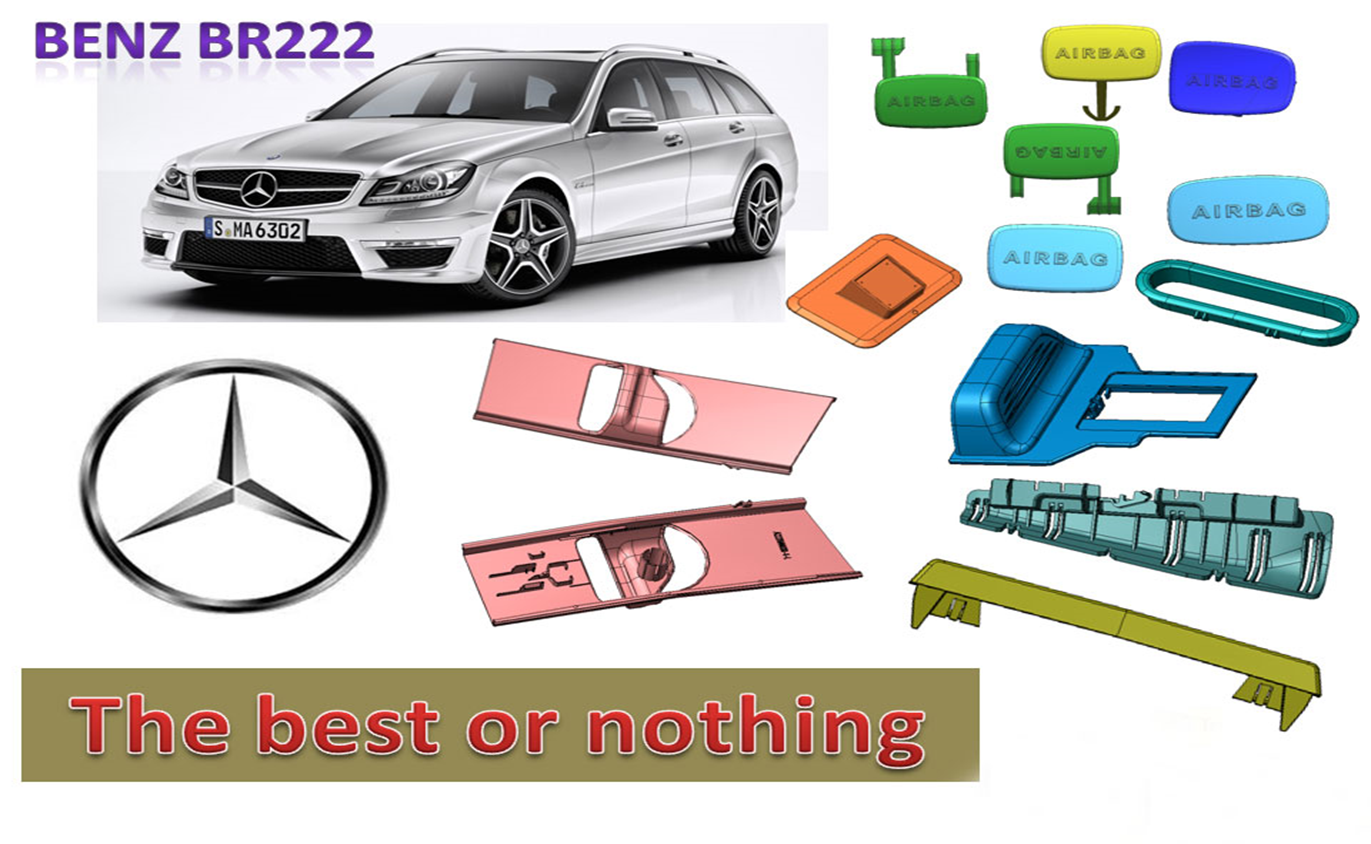
Interior Trim Component: Balancing Aesthetics with Production Economics
Premium vehicle manufacturer needed Class-A surface finish with aggressive launch timeline. Challenge was achieving show-quality appearance while keeping cycle time viable for planned volumes.
- Recommended texture alternatives that met aesthetic intent with faster demolding
- Delivered first T1 samples 3 weeks ahead of original timeline
- Production launched with zero quality holds or rework cycles
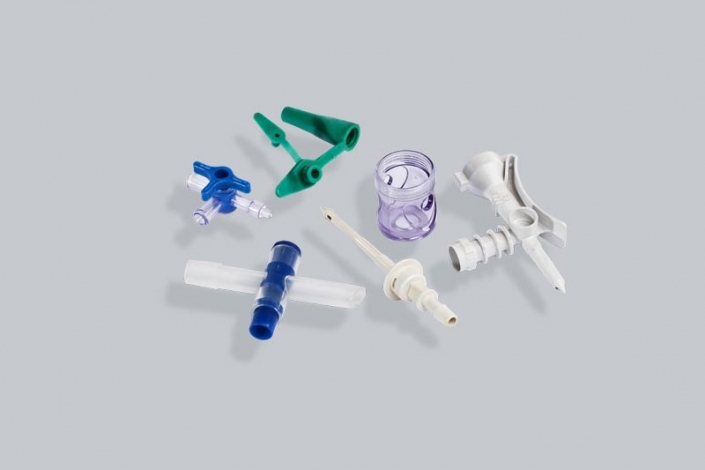
Medical Device Housing: Navigating Regulatory Validation While Controlling Costs
Diagnostic equipment manufacturer required biocompatible materials with full traceability. Key decision was tool steel selection that balanced validation documentation with long-term cost efficiency.
- Material certification package supported FDA submission without delays
- Process validation completed in single cycle instead of typical two iterations
- Ongoing production maintained Cpk >1.67 for critical dimensions
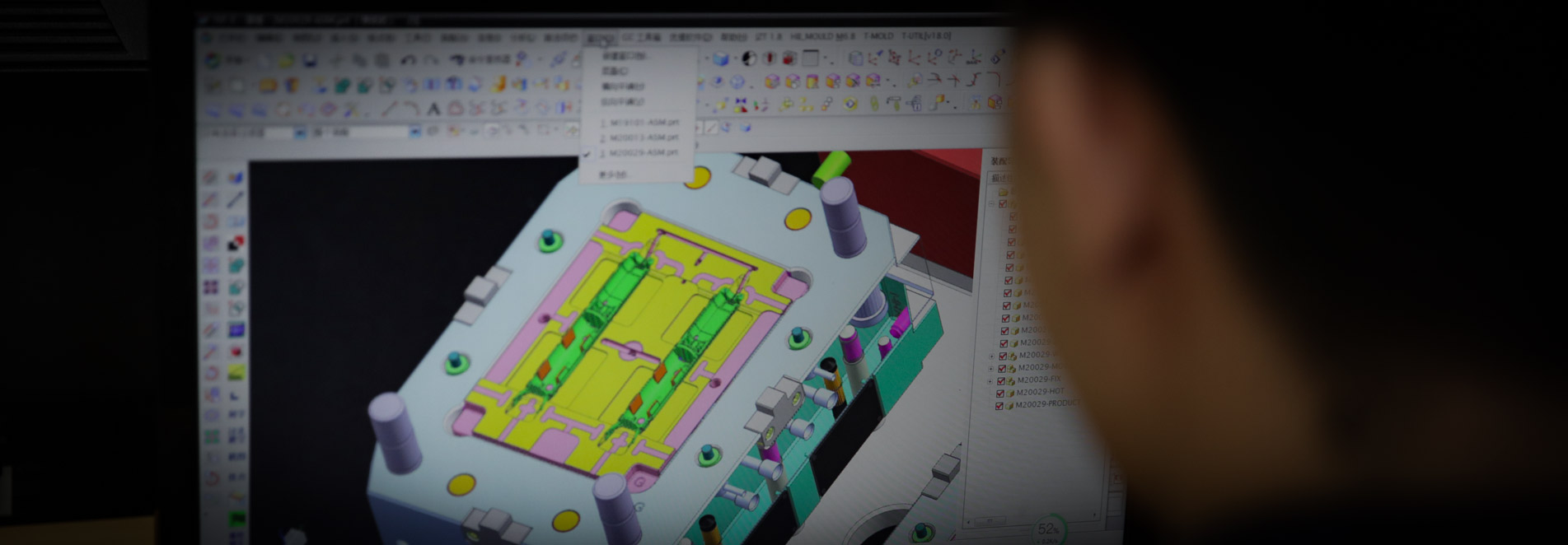
Consumer Electronics Enclosure: Managing Design Evolution During Tooling
Product design team needed flexibility for industrial design refinements without jeopardizing launch schedule. Critical choice was tool construction approach that accommodated likely change areas.
- Modular insert design absorbed three design iterations without rebuild
- Launch date held despite mid-project aesthetic changes
- Tool modifications completed within original schedule buffer
See how engineering-focused decision-making delivers better project outcomes
Request Project DiscussionWhy Industry Clients Stay Beyond the First Project
The value of a manufacturing partnership compounds over time. Clients who work with us repeatedly aren't just satisfied—they're avoiding the hidden costs of constantly re-qualifying new suppliers.
Predictable Delivery Performance
When schedule commitments actually hold, product launches happen on time. That reliability becomes strategic advantage for clients facing competitive pressure.
- Product teams can build roadmaps without supplier uncertainty
- Marketing launches align with actual production availability
- No emergency air freight to recover from supplier delays
Reduced Engineering Overhead
Repeat collaboration eliminates the learning curve tax. We already understand your design standards, quality expectations, and approval processes.
- No re-explaining company-specific requirements each project
- DFM feedback aligned with your product architecture
- Faster quotes because we know your actual constraints
Lower Total Program Risk
Proven track record eliminates the "will this supplier actually deliver" uncertainty that plagues new vendor qualifications.
- Management confident in supplier capability from day one
- Procurement doesn't need backup supplier contingencies
- Project timelines based on demonstrated performance, not promises
Partnership Performance Metrics
Percentage of clients who return for additional projects within 24 months
Mean relationship duration for clients with multiple projects
Projects delivered within committed timeline over past 12 months
Automotive, medical, electronics, consumer products, industrial equipment
Tell Us About Your Project Challenge
Share your technical requirements, timeline expectations, and quality priorities. We'll provide honest feedback on fit and a detailed project assessment within 24 hours.