An OEM plastic parts supplier provides custom-manufactured components designed specifically for your brand’s proprietary products. You likely face the constant pressure of rising material costs and inconsistent quality from vendors who lack high-precision capabilities. This uncertainty leads to production delays and increased waste, which ultimately erodes your market competitiveness and bottom line. CN Precision Mfg solves these challenges by offering IATF 16949-certified manufacturing that reduces your production costs by 20% while maintaining the ultra-tight tolerances required for automotive and medical applications.
What defines high-quality OEM plastic parts today?
High-quality parts are defined by their dimensional precision, material integrity, and strict adherence to technical specifications. When you source these components, you need assurance that every unit in a high-volume run is identical to the approved prototype.
Essential quality benchmarks
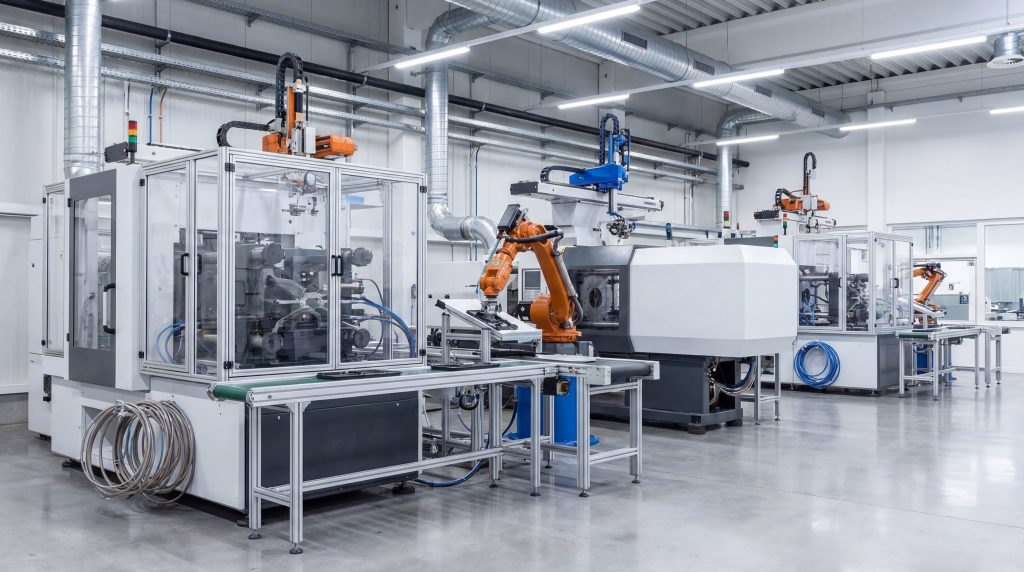
Modern manufacturing requires a combination of advanced machinery and rigorous inspection protocols to succeed. You must look for suppliers that utilize 50-2000T machines to handle varying part complexities.
Here is the deal:
- Dimensional tolerances within ±0.01mm.
- Zero surface defects like flash or sink marks.
- Full material traceability for every batch.
Key Takeaway: Prioritizing precision and traceability ensures your components function reliably in critical assemblies.
| Quality Metric | Industry Standard | CN Precision Capability | |
|---|---|---|---|
| Tolerance | ±0.05mm | ±0.01mm | |
| Failure Rate | < 2.0% | < 0.5% | |
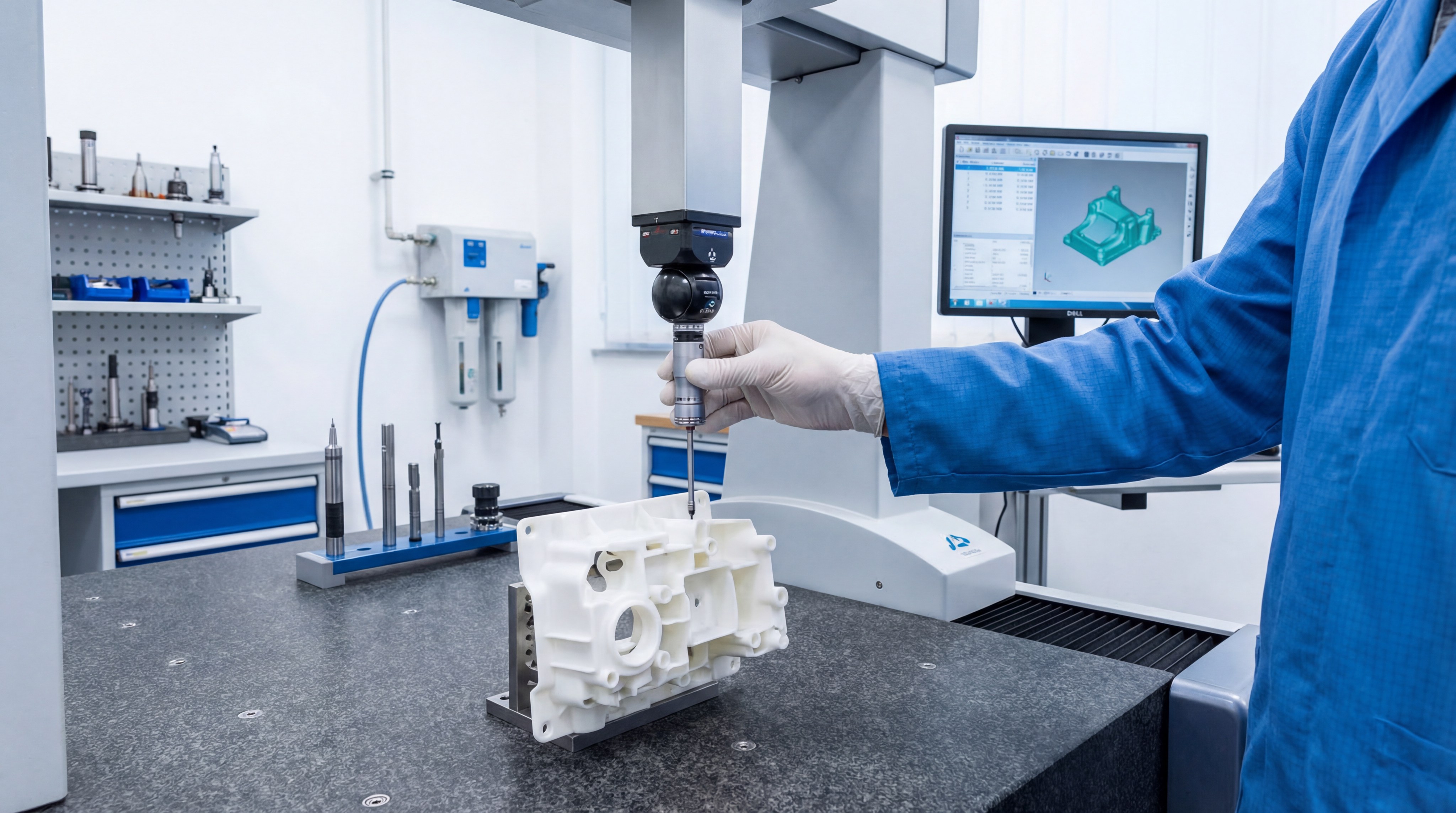
| Inspection | Visual | CMM ±0.001mm |
The data above highlights how superior measurement technology directly translates to lower failure rates in your supply chain.
Why source OEM plastic parts from Shenzhen?
Sourcing from Shenzhen provides you with a strategic advantage through access to the world’s most concentrated manufacturing ecosystem and streamlined logistics. By procuring OEM plastic parts from this region, you benefit from a 30-50% reduction in tooling costs compared to Western alternatives.
Regional logistical advantages
The proximity to major international ports like Yantian allows for rapid global export and shorter lead times. You can expect your finished goods to reach international markets within 3 to 30 days depending on the shipping method.
Believe it or not:
- Access to high-grade engineering resins.
- Rapid prototyping and CNC services nearby.
- Integrated supply chains for electronics.
Key Takeaway: The Shenzhen manufacturing hub offers an unparalleled combination of cost-efficiency and technical agility for global brands.
| Region | Tooling Cost | Lead Time | |
|---|---|---|---|
| North America | High | 8-12 Weeks | |
| Europe | High | 10-14 Weeks | |
| Shenzhen | Low/Moderate | 4-6 Weeks |
This comparison clarifies why the Asian manufacturing corridor remains the preferred choice for high-volume production projects.
How does DFM affect your OEM plastic parts?
Design for Manufacturing (DFM) is the process of optimizing part geometry to ensure it can be produced efficiently and cost-effectively. Implementing a DFM review early in the development cycle helps you identify potential molding issues before they become expensive failures.
Impact on production speed
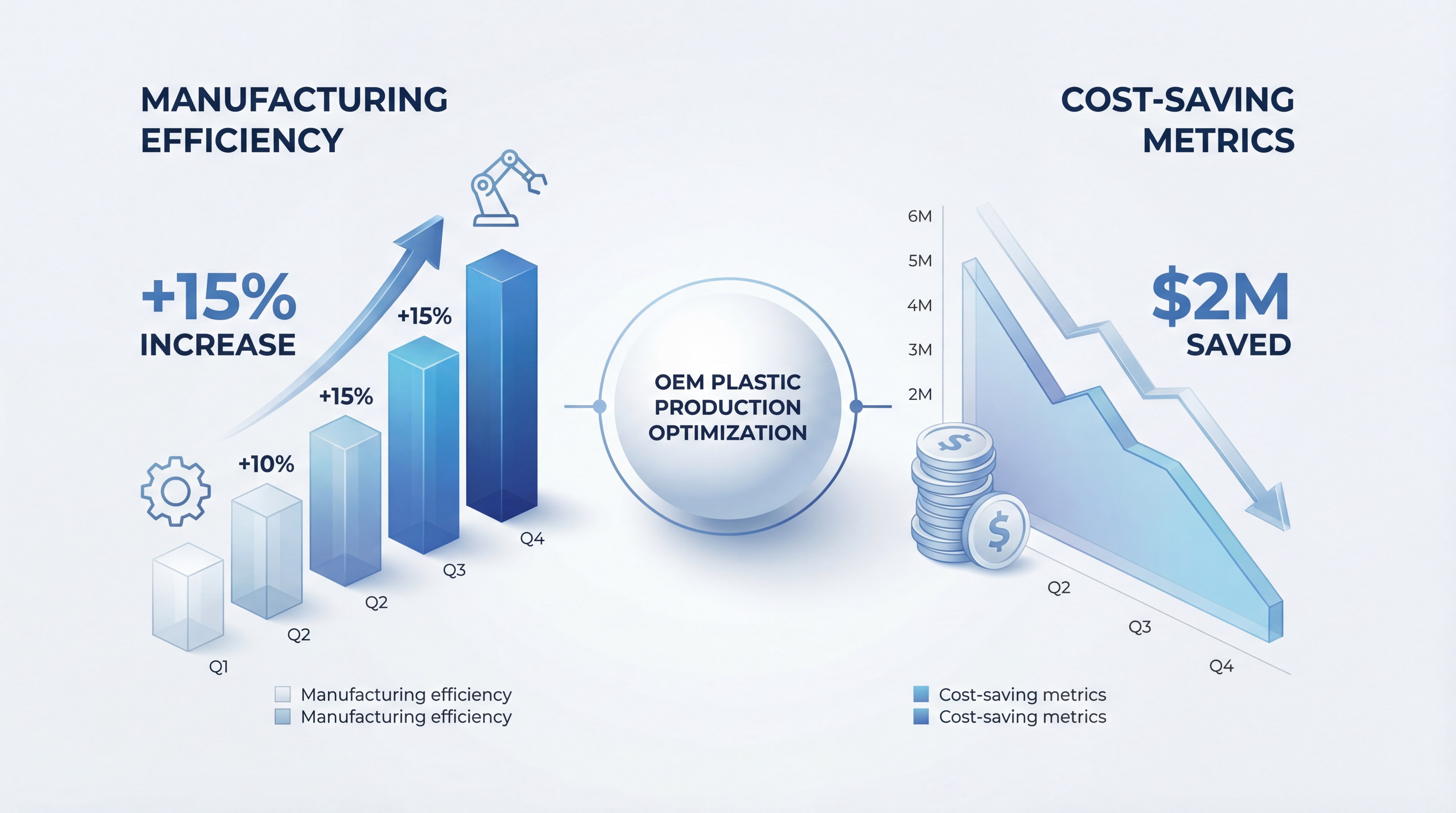
Optimized designs lead to shorter cycle times, which directly reduces your unit price over long production runs. You will see significant savings by adjusting wall thickness and gate placements to facilitate faster cooling.
The truth is:
- Uniform walls prevent part warping.
- Proper draft angles allow easy ejection.
- Rib designs add strength without weight.
Key Takeaway: Professional DFM optimization acts as a preventative measure that secures both part quality and project profitability.
| Design Feature | DFM Benefit | Cost Impact | |
|---|---|---|---|
| Wall Thickness | Faster cooling | -15% Cycle Time | |
| Draft Angles | Less tool wear | -10% Maintenance | |
| Gate Location | Better flow | -5% Scrap Rate |
Strategic design choices early in the process result in cumulative savings that enhance your overall manufacturing margin.
Can IATF 16949 improve OEM plastic parts?
Yes, this certification ensures that your OEM plastic parts are manufactured under the most rigorous quality management systems in the world. Originally designed for the automotive sector, this standard focuses on continuous improvement and defect prevention.
Risk management in production
IATF standards require suppliers to have robust contingency plans and risk assessment protocols for every production stage. You gain peace of mind knowing that your supply chain is resilient against unexpected disruptions.
Consider this:
- Reduced variation in part batches.
- Formalized root cause analysis for errors.
- Strict control over sub-tier vendors.
Key Takeaway: Working with a certified supplier minimizes your liability and ensures compliance with global automotive safety standards.
| Standard | Focus Area | Value to Buyer | |
|---|---|---|---|
| ISO 9001 | General Quality | Basic Reliability | |
| IATF 16949 | Defect Prevention | Extreme Precision | |
| AS9100 | Aerospace | High-Risk Safety |
Certification serves as a formal guarantee that your supplier maintains professional rigor throughout the entire manufacturing lifecycle.
Which resins work best for OEM plastic parts?
The best resin depends on your part’s mechanical requirements, environmental exposure, and budget constraints. Engineering-grade plastics like Nylon (PA), ABS, and Polycarbonate (PC) are the most common choices for technical components.
Matching materials to performance
You must select a polymer that balances strength with manufacturability to avoid production bottlenecks. For example, Nylon provides excellent heat resistance, while ABS offers superior impact strength for consumer electronics.
But wait, there is more:
- PP is ideal for chemical resistance.
- PC/ABS blends offer high-end finishes.
- PEEK is reserved for extreme environments.
Key Takeaway: Correct material selection is the foundation of a part’s longevity and its ability to withstand operational stress.
| Resin Type | Key Property | Typical Use | |
|---|---|---|---|
| ABS | Impact Resistance | Housing/Cases | |
| Nylon (PA) | Heat Stability | Automotive Parts | |
| Polypropylene | Chemical Proof | Medical Caps |
Understanding the chemical profile of these resins allows you to tailor your product for specific industry challenges and environments.
How to scale production for OEM plastic parts?
Scaling requires a transition from prototyping or low-volume runs to automated, high-tonnage production lines. You can effectively scale OEM plastic parts by investing in multi-cavity tooling that produces several units per cycle.
Automation and cycle efficiency
Automated robotic arms and 24/7 production capabilities allow you to meet surges in demand without increasing lead times. High-tonnage machines ranging up to 2000T are necessary for larger, more complex components.
The best part:
- Multi-cavity molds lower unit costs.
- Automated sorting reduces labor errors.
- In-process monitoring ensures stability.
Key Takeaway: Scalability is achieved through a combination of robust tooling design and high-capacity machine availability.
| Production Level | Tooling Type | Monthly Capacity | |
|---|---|---|---|
| Prototyping | Single-Cavity | < 1,000 units | |
| Mid-Volume | 4-Cavity | 10k – 50k units | |
| High-Volume | 16+ Cavity | > 200k units |
Transitioning to multi-cavity tools is the most efficient method for driving down costs as your market demand grows.
Are thin-wall designs good for OEM plastic parts?
Thin-wall designs are excellent for reducing material usage and part weight, provided the mold is designed for high injection speeds. You can save up to 20% in material costs by optimizing wall thicknesses below 0.5mm for portable electronics.
Technical design considerations
Successful thin-walling requires specialized resins with high flow rates to ensure the cavity fills completely. You must also include strategic ribbing to maintain structural integrity in OEM plastic parts that are exceptionally light.
Keep this in mind:
- High-speed injection is mandatory.
- Conformal cooling improves cycle time.
- Venting prevents air traps and burns.
Key Takeaway: Thin-wall molding is a sophisticated technique that offers significant cost and weight advantages for modern product design.
| Design Factor | Thin Wall | Standard Wall | |
|---|---|---|---|
| Thickness | < 1.0mm | 2.5mm – 3.0mm | |
| Cooling Time | Extremely Fast | Moderate | |
| Pressure | High | Standard |
Designing for thin walls requires expert engineering to balance the benefits of lightness with the risks of part fragility.
What is the MOQ for custom OEM plastic parts?
Standard Minimum Order Quantities (MOQs) typically range from 500 to 1,000 pieces for production-grade runs. By ordering OEM plastic parts at these levels, you balance inventory costs with the setup fees required for injection molding.
Flexibility for growth
Suppliers often offer lower MOQs for initial batches to help you validate your market before committing to massive volumes. You should negotiate MOQs that align with your quarterly sales forecasts to avoid overstocking.
Here is the secret:
- Higher volumes lower the unit price.
- Tooling costs are a one-time fee.
- Material waste is minimized at scale.
Key Takeaway: MOQs are negotiable based on the complexity of the part and your long-term production commitment to the factory.
| Order Volume | Unit Price Trend | Ideal For | |
|---|---|---|---|
| 500 units | Highest | Market Testing | |
| 5,000 units | Moderate | Growing Brands | |
| 50,000+ units | Lowest | Global Enterprise |
Finding the right volume threshold allows you to maximize your purchasing power while maintaining a lean inventory strategy.
Does 2K molding benefit your OEM plastic parts?
2K or two-shot molding allows you to combine two different materials or colors in a single manufacturing cycle. This process benefits your components by eliminating the need for secondary assembly and creating a superior chemical bond between materials.
Enhancing part functionality
You can use this technique to add soft-touch grips to rigid housings or create waterproof seals within a single part. It is particularly effective for high-end automotive interiors and medical devices.
Look at the facts:
- Reduces total assembly labor costs.
- Improves ergonomic feel and grip.
- Creates permanent material bonds.
Key Takeaway: Multi-material molding is a premium manufacturing solution that adds functional value and aesthetic appeal to your products.
| Process | Steps Required | Cost Impact | |
|---|---|---|---|
| 1-Shot + Assembly | 2 Cycles + Labor | Higher OPEX | |
| 2K Molding | 1 Cycle | Lower OPEX | |
| Overmolding | 2 Cycles | Moderate |
Utilizing advanced molding techniques like 2K simplifies your supply chain by reducing the number of individual parts you need to manage.
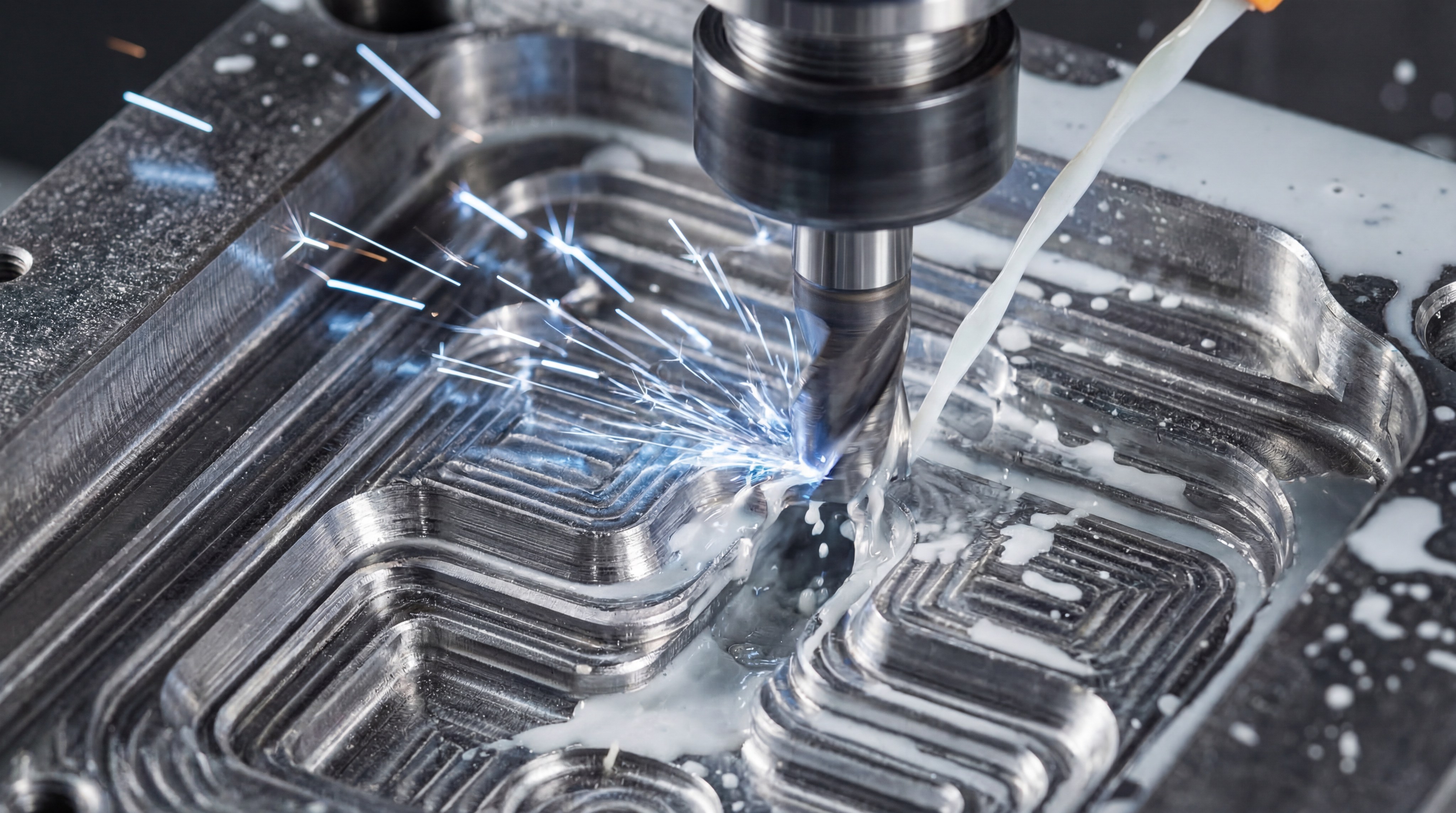
Why trust us for your next OEM plastic parts?
You should trust CN Precision Mfg because of our IATF 16949 certification and our proven track record with global brands like BMW and VW. Our expertise in OEM plastic parts manufacturing ensures that your technical requirements are met with absolute precision.
Engineering-first approach
We offer comprehensive support from the initial DFM review to final global logistics. You benefit from our in-house mold shop, which maintains ±0.01mm tolerances for even the most complex geometries.
The bottom line:
- Transparent communication throughout.
- Proven 20% cost savings via DFM.
- High-tonnage capacity for scaling.
Key Takeaway: Partnering with an engineering-focused supplier guarantees that your product quality scales alongside your business growth.
| Capability | Detail | Client Benefit | |
|---|---|---|---|
| Certification | IATF 16949 | Automotive Quality | |
| Machines | 38 Units (30-380T) | Production Agility | |
| Export | Global Support | Seamless Logistics |
Choosing a partner with specialized automotive certifications ensures your components meet the highest global standards for safety and durability.
Conclusion
Securing a reliable supply of high-precision components is essential for maintaining your brand’s reputation and operational efficiency. CN Precision Mfg solves the problems of inconsistent quality, high tooling costs, and poor material selection through our IATF 16949-certified processes and expert DFM optimization. We are dedicated to providing the technical depth and manufacturing scale required to turn your most complex designs into market-ready realities. Our vision is to empower global innovators with precision engineering that bridges the gap between concept and mass production. Ready to optimize your supply chain and reduce costs? Contact us today for a free DFM review and a comprehensive project quote.
FAQ: Frequently Asked Questions
- Can I request a free DFM review for my project?Absolutely, we provide detailed DFM reviews for all technical inquiries to ensure your designs are optimized for mass production and cost-efficiency.
- What is the best material for high-heat automotive parts?Nylon (PA), specifically when reinforced with glass fibers, is the ideal choice due to its exceptional thermal stability and mechanical strength under stress.
- How do I know if my part is suitable for thin-wall molding?Yes, if your part requires weight reduction and high production speeds, our engineers can evaluate your wall thickness and resin flow requirements.
- Can you handle both prototyping and high-volume production?Yes, our facility is equipped for the entire lifecycle, from rapid CNC prototyping to high-volume injection molding using multi-cavity Class 101 tools.
- How do you guarantee ±0.01mm tolerances?We use high-precision CNC machines for mold making and verify every production batch using Coordinate Measuring Machines (CMM) with ±0.001mm accuracy.