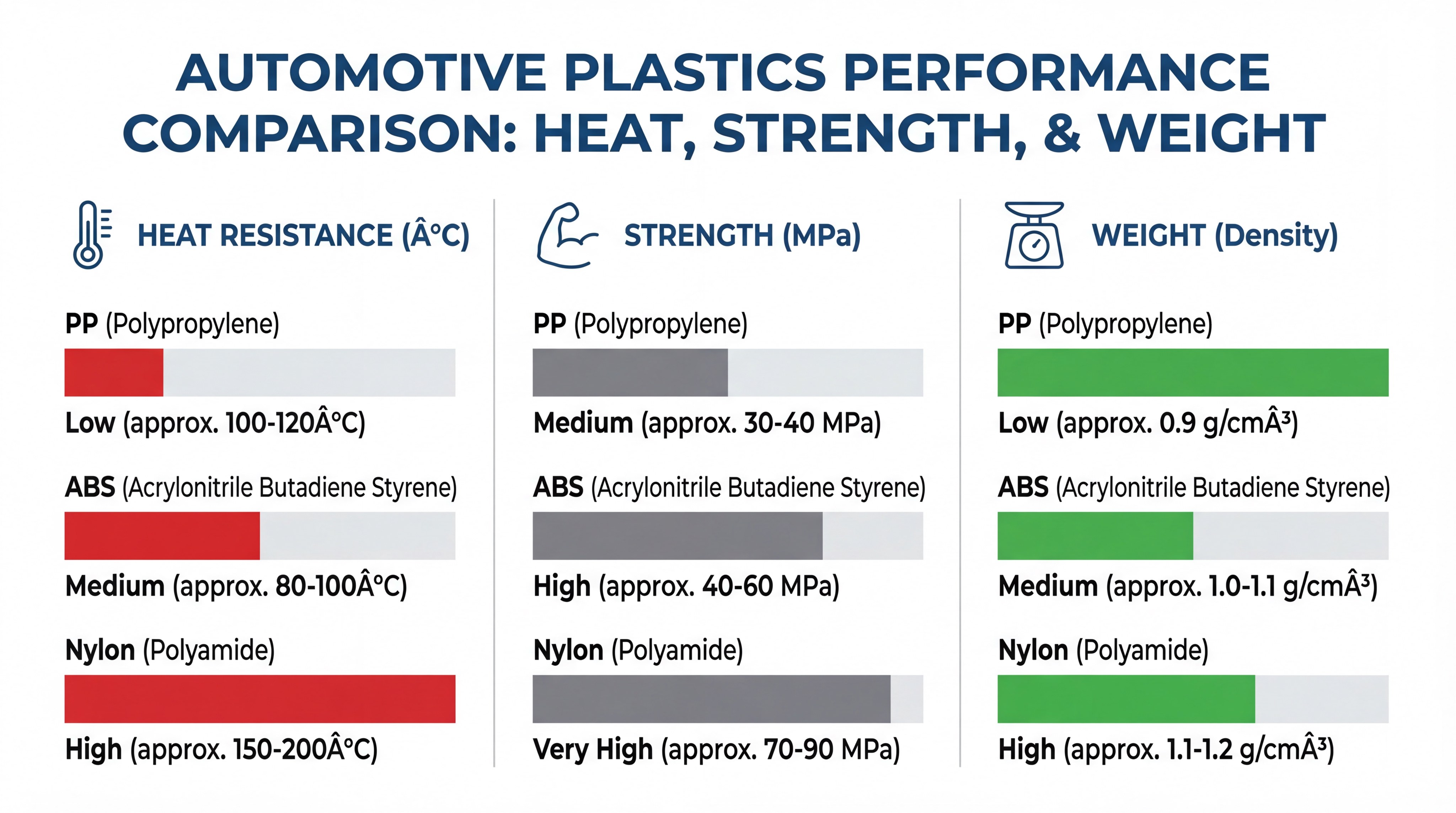
You are likely facing unprecedented pressure to reduce vehicle weight, integrate complex electronics, and lower production costs without sacrificing safety. Traditional manufacturing methods often struggle to keep pace with the intricate geometries and rapid lifecycles of modern EV and ICE platforms. Choosing the wrong manufacturing partner or material can lead to catastrophic results, such as structural failures or poor aesthetic finishes on Class A surfaces. In the automotive world, a single certification gap or tooling error can stall your entire supply chain. Precision automotive injection molding provides the scalability, material diversity, and engineering accuracy required to meet these demands. By leveraging advanced DFM and IATF-certified processes, you can transform complex designs into high-performance realities.
1. How does automotive injection molding drive vehicle lightweighting?
Automotive injection molding drives vehicle lightweighting by substituting heavy steel or aluminum components with advanced, high-strength polymers. You face constant pressure to increase fuel efficiency and extend EV battery range. By utilizing precision-molded plastics, you can strip significant weight from the chassis without compromising safety. This transition is essential for modern fleet performance.
Can plastic replace structural metal components?
Think about it. Modern polymers are now engineered with glass or carbon fiber reinforcements to mimic metal’s rigidity.
- Structural brackets.
- Pedal boxes.
- Seat frames. These parts survive high-stress environments while reducing the total mass of the assembly. You gain a competitive edge by simplifying complex multi-part metal assemblies into single plastic units.
Which high-performance resins offer the best strength-to-weight ratios?
Here is the deal. Polyamides and specialized PEEK resins provide incredible tensile strength at a fraction of steel’s density.
- Glass-filled Nylon (PA66).
- Carbon-fiber reinforced ABS.
- High-density Polyethylene. Selecting the right resin ensures your components remain durable through thousands of cycles.
Key Takeaway: Lightweighting through molding reduces energy consumption and improves vehicle handling dynamics.
| Material | Weight Reduction | Structural Integrity | Analysis | |
|---|---|---|---|---|
| GF-Nylon | 40-50% | High | Best for under-hood structural parts needing heat resistance. | |
| Reinforced ABS | 30% | Moderate | Ideal for impact-resistant interior frames and supports. |
2. Can automotive injection molding improve NVH management?
It improves NVH management by integrating vibration-dampening materials like thermoplastic elastomers directly into the part design. Choosing the right automotive injection molding partner allows you to seal gaps that traditionally leak noise. You can now combine hard plastics with soft gaskets in a single process to eliminate rattles. This creates a much quieter and more premium cabin experience for the driver.
How do thermoplastic elastomers (TPE) dampen noise and vibration?
Believe it or not. TPEs act as a shock absorber at the molecular level, converting kinetic energy into heat.
- Engine mounts.
- Door seals.
- Steering column covers. By overmolding these soft materials onto rigid substrates, you create a permanent bond that prevents squeaks. This integration is far superior to manual glue-on gaskets.
Can you design integrated seals for superior acoustic insulation?
But that’s not all. Designing seals as part of the primary molded component ensures a perfect fit every single time.
- HVAC ducts.
- Window seals.
- Dashboard interfaces. This precision eliminates the air gaps that allow road noise to penetrate the vehicle interior. You save on assembly time while simultaneously increasing the perceived quality of the vehicle.
Key Takeaway: Integrated dampening through molding is the most cost-effective way to achieve luxury-level cabin silence.
| Component Type | Material Choice | NVH Benefit | Analysis | |
|---|---|---|---|---|
| Overmolded Gaskets | TPE / TPU | High | Eliminates rattles by removing mechanical gaps. | |
| Engine Covers | Mineral-filled PP | Moderate | Reduces high-frequency engine whine through mass-loading. |
3. Why is material durability a primary focus in molding?
Material durability is a primary focus because automotive components must survive extreme thermal cycling and chemical exposure over a fifteen-year lifespan. Through automotive injection molding, you can select resins specifically engineered for the harsh environment of an engine bay. These materials maintain their mechanical properties even when saturated with oil or coolant. You ensure long-term reliability by matching the resin to the specific environmental stressor.
How do parts resist chemical exposure and extreme temperatures?
The secret is simple. Engineered plastics like PPA or PPS are designed with chemical bonds that resist breakdown from aggressive fluids.
- Brake fluid reservoirs.
- Fuel system connectors.
- Radiator end tanks. These materials can operate at continuous temperatures exceeding 150 degrees Celsius. You avoid the corrosion issues associated with traditional metal piping.
How do UV-stabilized resins prevent interior degradation?
Think about it. Sunlight can turn high-quality plastics brittle and faded in just a few years without the right additives.
- Dashboard skins.
- Rear-view mirror housings.
- External trim pieces. By integrating UV stabilizers during the automotive injection molding process, you protect the polymer chains from breaking down. This keeps the interior looking new for the life of the vehicle.
Key Takeaway: Durability is engineered at the molecular level to ensure safety-critical parts never fail prematurely.
| Stress Factor | Solution Material | Performance | Analysis | |
|---|---|---|---|---|
| Heat / Chemicals | PPA / PPS | Excellent | Necessary for under-hood and fuel-path components. | |
| UV / Sunlight | ASA / PC-ABS | High | Prevents chalking and fading on exterior visible trim. |
4. What role does material recycling play in sustainable molding?
Material recycling allows you to meet strict environmental regulations by incorporating post-consumer resins into non-safety-critical parts. Professional automotive injection molding now utilizes high-quality “regrind” to reduce the carbon footprint of every vehicle. You can maintain structural integrity while lowering material costs by using a blend of virgin and recycled polymers. This shift is critical for brands aiming for carbon neutrality in their supply chains.
Can post-consumer regrind meet automotive structural standards?
Look at the numbers. When processed correctly, recycled resins can retain up to 90% of their original mechanical properties.
- Wheel arch liners.
- Underbody shields.
- Trunk floor panels. By carefully controlling the percentage of recycled content, you ensure the part remains robust. You achieve sustainability goals without risking the performance of the final assembly.
How is the shift toward “Circular Economy” materials evolving?
The best part? Manufacturers are now designing parts for “end-of-life” recyclability from the very beginning.
- Monomaterial assemblies.
- Easily separable inserts.
- Coded plastic types. This means the parts you mold today can be ground down and reused in the vehicles of tomorrow. You are building a closed-loop system that minimizes industrial waste.
Key Takeaway: Sustainable molding is no longer optional; it is a strategic requirement for global market access.
| Recycling Tier | Content % | Typical Part | Analysis | |
|---|---|---|---|---|
| Tier 1 (Safety) | 0% | Airbag covers | Pure virgin resin is required for life-saving reliability. | |
| Tier 3 (Hidden) | 50% – 100% | Splash guards | High recycled content is perfect for hidden, non-load parts. |
5. Why is IATF 16949 certification critical for molding?
IATF 16949 certification is critical because it mandates a standardized quality management system specifically tailored to the zero-defect requirements of the automotive industry. In the world of automotive injection molding, this certification ensures that every process is documented, measured, and optimized. You reduce the risk of massive recalls by partnering with a manufacturer that follows these rigid protocols. It is the global benchmark for reliability in automotive manufacturing.
What are the rigors of automotive quality management systems?
Here is the deal. IATF 16949 requires more than just high-quality parts; it requires a culture of continuous improvement.
- Full material traceability.
- Advanced Product Quality Planning (APQP).
- Statistical Process Control (SPC). This ensures that if a single part fails, you can trace the exact batch and machine settings used during its creation. You gain complete visibility into your production quality.
How does this mitigate risk and prevent defects in high volumes?
Think about it. In high-volume production, a 1% defect rate can mean thousands of failed vehicles on the road.
- Failure Mode and Effects Analysis (FMEA).
- Control plans for every shift.
- Standardized work instructions. These tools catch errors before they leave the factory floor. You save millions in potential warranty claims by ensuring only perfect parts reach the assembly line.
Key Takeaway: Certification is your primary defense against the financial and reputational damage of product recalls.
| Standard | Focus Area | Requirement | Analysis | |
|---|---|---|---|---|
| ISO 9001 | General Quality | Customer Satisfaction | Basic level for general manufacturing sectors. | |
| IATF 16949 | Automotive | Defect Prevention | Mandatory for Tier 1 and Tier 2 automotive suppliers. |
6. How are Class A surfaces achieved through molding?
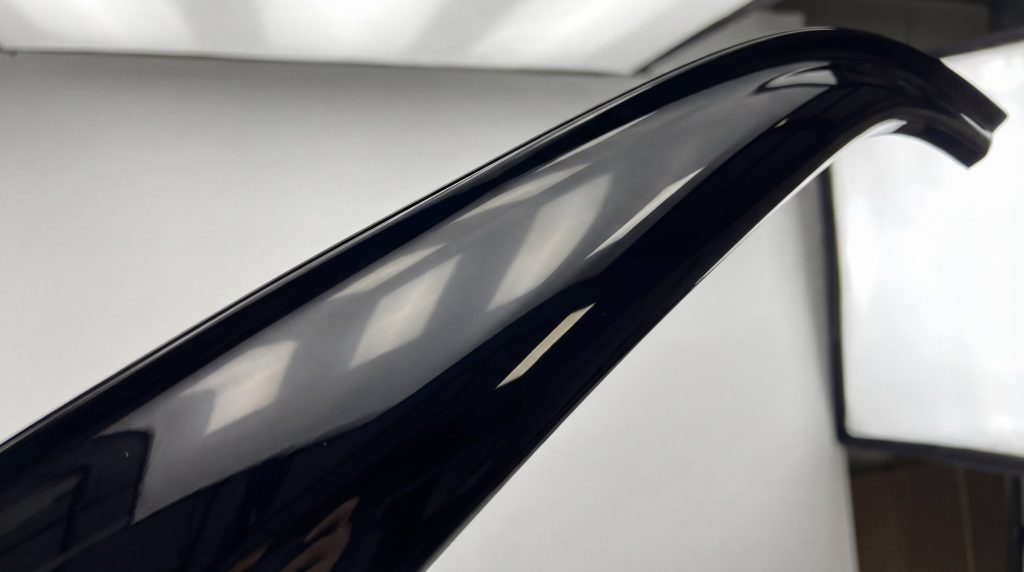
Class A surfaces are achieved through the use of ultra-polished steel molds and precise control over the injection speed and temperature. When performing automotive injection molding , you must prevent any visual imperfections like weld lines or sink marks. These surfaces represent the “face” of the vehicle, found on parts like the dashboard and exterior trim. You ensure a premium brand image by delivering parts that are visually flawless.
What are the visual standards for “Class A” components?
Believe it or not. Class A standards require a surface that is indistinguishable from painted metal in terms of gloss and smoothness.
- Zero visible flow lines.
- Perfect color consistency.
- Mirror-like reflectivity. Engineers use specialized lighting rooms to inspect these parts for even the smallest micro-scratches. You are providing the tactile and visual quality that luxury car buyers expect.
How do you minimize sink marks and weld lines in visible trim?
The secret is simple. You must optimize the wall thickness and gate placement to ensure the mold fills evenly.
- Gas-assisted injection.
- Variotherm heating/cooling.
- Sequential valve gating. These technologies allow you to maintain a consistent surface even in complex, thick-walled designs. You eliminate the “shadowing” effect that ruins the look of premium interiors.
Key Takeaway: Achieving Class A quality requires a combination of high-end tooling and advanced thermal management.
| Defect Type | Primary Cause | Molding Solution | Analysis | |
|---|---|---|---|---|
| Sink Marks | Uneven cooling | Thickened ribs / Gas assist | Prevents surface depressions in thick sections. | |
| Weld Lines | Flow fronts meeting | Valve gating control | Moves the meeting point to a hidden area of the part. |
7. What options exist for high-gloss finishes and texturing?
High-gloss finishes and surface texturing are achieved through specialized mold coatings and laser-etched textures that are transferred directly onto the plastic part. Automotive injection molding allows you to create complex visual effects without the need for expensive secondary painting. You can achieve a “Piano Black” look or a leather-like texture simply by choosing the right mold finish. This significantly reduces your total cost per part.
How do you achieve “Piano Black” effects without painting?
Here is the deal. You use highly polished NAK80 or S136 steel molds to create a surface so smooth it reflects light perfectly.
- Center console surrounds.
- Pillar garnishes.
- Infotainment bezels. By using high-gloss resins, the part comes out of the mold ready for assembly. You avoid the environmental issues and costs associated with traditional spray painting.
How does Mold-Tech texturing improve tactile feel?
But that’s not all. Laser-etched textures can mimic wood grain, carbon fiber, or high-end leather.
- Soft-touch door panels.
- Steering wheel covers.
- Lower dash assemblies. These textures also hide minor scratches that occur during daily use. You improve the long-term aesthetic value of the interior while providing a comfortable grip for the passengers.
Key Takeaway: In-mold decorating and texturing provide a high-end look while eliminating secondary processing steps.
| Finish Type | Application | Aesthetic Goal | Analysis | |
|---|---|---|---|---|
| High Gloss | Bezel / Trim | Modern / Premium | Eliminates painting but requires clean-room molding. | |
| Grain Texture | Door / Dash | Natural / Durable | Best for high-touch areas to hide wear and tear. |
8. How can you maximize ROI in your molding projects?
You maximize ROI by conducting a thorough Design for Manufacturing (DFM) analysis to optimize cycle times and reduce material waste. Investing in high-quality automotive injection molding tooling upfront can save millions during a high-volume production run. You should focus on reducing the cycle time by just one second, which can translate to massive savings over a million-part lifecycle. This balance between initial cost and long-term efficiency is the key to profitability.
How do you balance initial tooling with long-term part price?
Think about it. A cheap mold might save you money today, but it will cost you more in downtime and slow cycles later.
- Multi-cavity molds.
- Hardened steel inserts.
- Automated part removal. Higher-tier tooling allows for faster cooling and higher repeatability. You lower the unit cost significantly when you spread the tooling investment over a large production volume.
When does rapid prototyping transition to high-volume production?
The transition happens once you have validated the design through functional testing and pilot runs.
- 3D printing (Prototyping).
- Aluminum bridge tooling (Low volume).
- Hardened steel molds (Mass production). You should move to production-grade tooling as soon as the design is frozen to begin harvesting the lower unit costs. This minimizes the “time to market” for new vehicle launches.
Key Takeaway: Strategic tooling choices are the most significant factor in the long-term ROI of an automotive project.
| Tooling Type | Lifecycle | Unit Cost | Analysis | |
|---|---|---|---|---|
| Aluminum | < 5,000 | High | Best for prototyping and EV startup launches. | |
| Steel (P20/H13) | > 500,000 | Low | Essential for high-volume, multi-year production. |
9. How does multi-shot molding enhance part functionality?
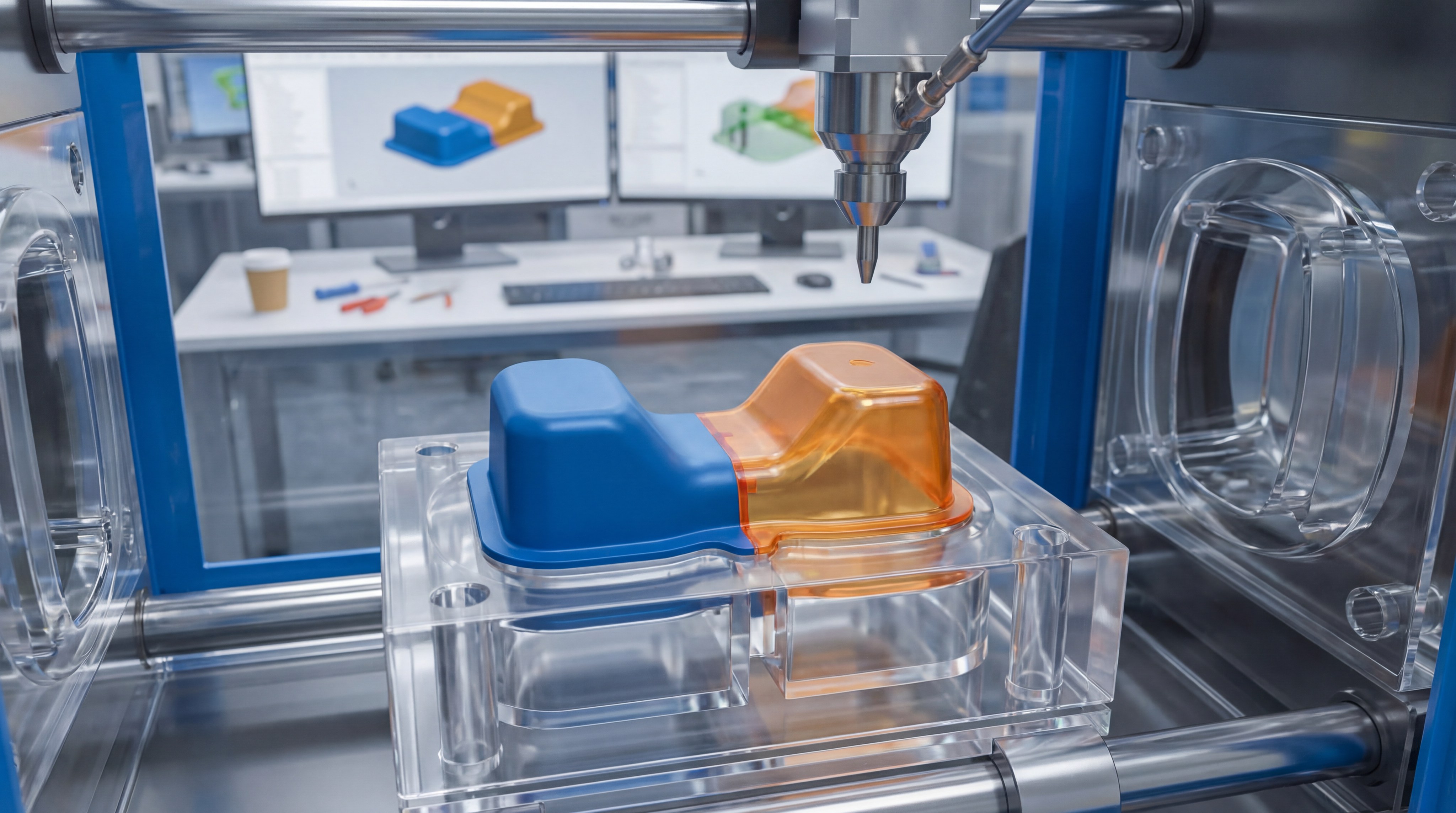
Multi-shot molding enhances functionality by allowing you to inject two or more different materials into the same mold during a single cycle. This specialized automotive injection molding process creates a permanent chemical bond between materials without the need for glue. You can combine a rigid structural plastic with a soft-touch exterior for improved ergonomics. It is the ultimate tool for part consolidation and assembly reduction.
Can you combine rigid and flexible materials in a single cycle?
Believe it or not. Two-shot (2K) molding allows for complex parts like buttons with integrated light pipes or soft-grip handles.
- Illuminated switches.
- Sealing gaskets on housings.
- Non-slip interior grips. This eliminates the risk of the soft layer peeling off over time. You provide a level of durability and integration that is impossible with manual assembly.
How does overmolding reduce your total assembly labor?
Here is the deal. By molding a gasket or seal directly onto a plastic housing, you remove an entire step from the assembly line.
- Air filter housings.
- ECU connectors.
- Light assemblies. This reduces the chance of human error during the assembly process. You lower your labor costs while simultaneously increasing the waterproof and dustproof ratings of the component.
Key Takeaway: 2K molding is a high-precision technique that delivers superior part performance and lower assembly overhead.
| Process | Material Count | Bonding Strength | Analysis | |
|---|---|---|---|---|
| 1K Molding | Single Resin | N/A | Standard for most structural and trim parts. | |
| 2K Molding | Dual Resins | Chemical / Mechanical | Best for integrated seals and multi-color buttons. |
10. Why is DFM essential for successful molding?
DFM is essential because it uses computer simulations to identify potential manufacturing defects before a single piece of steel is cut. In automotive injection molding , even a minor design flaw can lead to massive delays and expensive mold re-works. You use these insights to optimize wall thickness, cooling line placement, and gate locations. This proactive approach ensures a smooth launch and consistent part quality.
How does mold flow simulation predict manufacturing defects?
Think about it. Simulation software models how the molten plastic flows through the mold cavity in real-time.
- Air traps.
- Incomplete fills (Short shots).
- Excessive warping. By seeing these issues on a screen, you can adjust the design in minutes rather than weeks. You avoid the “trial and error” phase that plagues poorly planned projects.
How do you optimize cooling times for faster cycle rates?
But that’s not all. Cooling typically accounts for over 70% of the total injection molding cycle time.
- Conformal cooling channels.
- High-conductivity inserts.
- Balanced thermal profiles. By optimizing the cooling layout, you can shave seconds off every cycle. You increase the total output of the machine, which directly improves your project’s bottom line.
Key Takeaway: Early-stage DFM analysis is the most cost-effective way to prevent manufacturing failures.
| DFM Check | Potential Issue | Solution | Analysis | |
|---|---|---|---|---|
| Wall Thickness | Warpage / Sink | Uniform walls | Ensures consistent cooling and part stability. | |
| Draft Angle | Part Sticking | 1 – 3 degree taper | Essential for clean ejection and surface protection. |
Frequently Asked Questions (FAQ)
1. Can I use recycled materials for safety-critical parts?
Generally, safety-critical parts like airbag covers or seatbelt retractors require 100% virgin resin to guarantee performance under stress. However, recycled materials are perfect for non-structural components like wheel liners and splash guards.
2. What’s the best way to reduce my initial tooling costs?
The best way is to utilize modular mold bases or aluminum tooling if your production volume is low. For high volumes, optimizing the part design for a simpler “open-and-shut” mold without complex side-actions will save the most money.
3. How do I know if my part requires a Class A finish?
If the part is visible to the customer and contributes to the vehicle’s aesthetic (like the dashboard, center console, or door handles), it likely requires a Class A finish. Non-visible internal brackets or under-hood parts do not need this high level of surface quality.
4. Can I combine hard and soft materials in a single cycle?
Yes, this is achieved through 2K or multi-shot molding. It allows for integrated gaskets, soft-touch grips, and dual-color aesthetics without the need for secondary assembly or gluing.
5. What’s the best resin for high-heat automotive environments?
For the highest heat resistance, resins like PPA (Polyphthalamide), PPS (Polyphenylene Sulfide), or glass-filled Nylon are the best choices. They maintain structural integrity even at continuous temperatures above 150°C.
Securing Your Automotive Supply Chain
To remain competitive in the rapidly evolving vehicle market, you must partner with a manufacturer that understands the intersection of advanced polymer science and rigorous automotive standards. From initial DFM analysis to final IATF-certified inspection, every step in the automotive injection molding process must be optimized for performance, durability, and cost.
CN Precision Manufacturing is dedicated to pushing the boundaries of precision and reliability to help you build the next generation of safe, efficient, and high-performance vehicles. Our vision is to be the silent engine behind your most ambitious engineering challenges.
Contact us today to discuss your next project.