The advantages and disadvantages of injection molding center on the trade-off between massive production efficiency and high initial setup costs. If you are struggling to maintain consistency while scaling your plastic parts, the manual labor costs of alternative methods can cripple your growth. Without a scalable manufacturing strategy, your project’s profitability will likely vanish as order volumes increase. Utilizing specific injection molding advantages allows you to transition into high-volume production with precision and speed.
Why is high production speed a major benefit?
High production speed is a primary benefit because the process achieves incredibly short cycle times, often producing parts in seconds. This efficiency is one of the core injection molding advantages that makes it the industry standard for mass manufacturing. You can generate thousands of identical components in a single shift without human intervention.
Rapid Cycle Times and Output
The best part? You can achieve cycle times as low as 10 to 30 seconds for most standard parts. This rapid pace allows you to move from raw resin to finished goods at a speed no other process can match.
- Automated resin feeding systems
- High-pressure injection cycles
- Rapid cooling through mold channels
- Automatic part ejection
Key Takeaway: Rapid cycle times ensure your project meets tight deadlines while maintaining a massive daily output capacity.
| Efficiency Metric | Performance Level | |
|---|---|---|
| Typical Cycle Time | 10 – 60 Seconds | |
| Automation Level | Fully Automated | |
| Output Scale | 10,000+ Units |
The following data explores how these efficiencies translate into financial commitments for your tooling.
How do initial tooling costs affect your budget?
High upfront tooling costs represent a significant disadvantage because you must invest heavily in steel or aluminum molds before production begins. While these injection molding advantages provide long-term savings, the initial capital expenditure can be a barrier for startups. You must amortize these costs over hundreds of thousands of parts to see the true value.
Capital Expenditure Requirements
Look: The cost of a precision-engineered mold can range from thousands to hundreds of thousands of dollars. This is because the mold must withstand extreme pressures and temperatures over millions of cycles.
- High-grade tool steel costs
- Complex CNC machining of cavities
- Precision EDM (Electrical Discharge Machining)
- Manual polishing and finishing
Key Takeaway: High initial costs are a calculated risk that requires guaranteed production volume to achieve a positive return.
| Investment Factor | Typical Impact | |
|---|---|---|
| Upfront Capital | Very High | |
| Cost Amortization | Requires High Volume | |
| Tooling Life | 100,000 – 1,000,000+ Cycles |
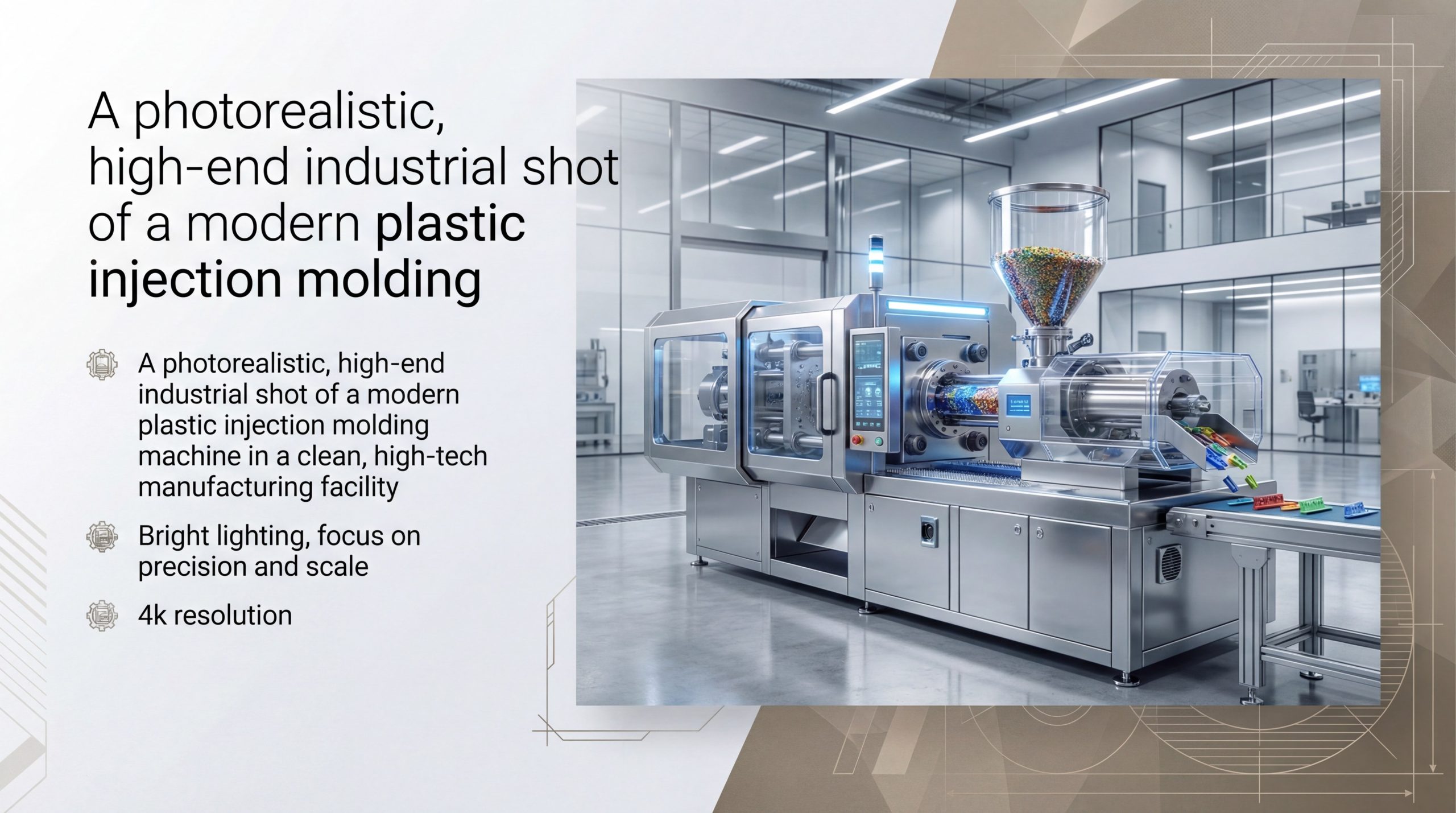
The physical infrastructure required for these results is visible in modern high-tech facilities.
Can this process handle complex part designs?
Yes, injection molding can produce incredibly complex geometries that include internal features, threads, and thin walls. This design flexibility is one of the most prominent injection molding advantages for engineers today. You can integrate multiple features into a single part, reducing the need for secondary assembly.
Advanced Geometric Capabilities
Think about it: If you were using CNC machining, certain internal hollows or thin ribs would be impossible to reach with a tool bit. Injection molding solves this by using “side-actions” and “slides” that move within the tool to create complex shapes.
- Deep ribs for structural strength
- Integrated snap-fits and hinges
- Internal and external threads
- Precision holes and bosses
Key Takeaway: Complex design integration helps you reduce your total bill of materials by combining multiple parts into one molded unit.
| Design Element | Feasibility | |
|---|---|---|
| Internal Hollows | High (with cores) | |
| Thin Walls | High (0.5mm – 3mm) | |
| Fine Detail | Excellent |
Once the design is finalized, the choice of material becomes the next critical decision.
What makes material selection so versatile?
Material versatility is a major advantage because you have access to thousands of different plastic resins with varying mechanical properties. Selecting the right resin is part of the injection molding advantages that allow you to customize heat resistance, strength, and flexibility. You can even add glass fibers or UV stabilizers to enhance performance.
Diverse Polymer Options
The best part? You are not limited to standard plastics; you can choose from engineering-grade resins that rival the strength of some metals. This allows you to tailor the part exactly to your application’s environmental requirements.
- High-strength Polycarbonate (PC)
- Chemically resistant Polypropylene (PP)
- Flexible Thermoplastic Elastomers (TPE)
- Heat-resistant PEEK or Nylon
Key Takeaway: Access to a vast resin library ensures your part performs reliably under specific stress, temperature, or chemical conditions.
| Material Property | Variation Range | |
|---|---|---|
| Tensile Strength | Low to Metal-like | |
| Temperature Resistance | Up to 300°C+ | |
| Flexibility | Rigid to Rubber-like |
Selecting the right material also has significant implications for your project’s environmental footprint.
Is waste reduction a key part of the process?
Waste reduction is built into the process because injection molding generates very little scrap compared to subtractive manufacturing. This sustainability benefit is among the injection molding advantages that appeal to modern, eco-conscious brands. You can often regrind and reuse the excess plastic from the runners and sprue.
Minimal Scrap and Recyclability
Here is why it matters: In subtractive processes like CNC, you might cut away 60% of a block of material to get your part. In molding, you only use exactly what fills the cavity and the small distribution channels.
- Regrind of sprues and runners
- Precise material dosing systems
- Zero-waste “hot runner” systems
- Bio-based resin compatibility
Key Takeaway: Low waste production lowers your material costs while helping you meet corporate sustainability goals.
| Waste Factor | Impact | |
|---|---|---|
| Primary Scrap | Minimal (2-5%) | |
| Recyclability | High (Regrindable) | |
| Material Usage | Highly Efficient |
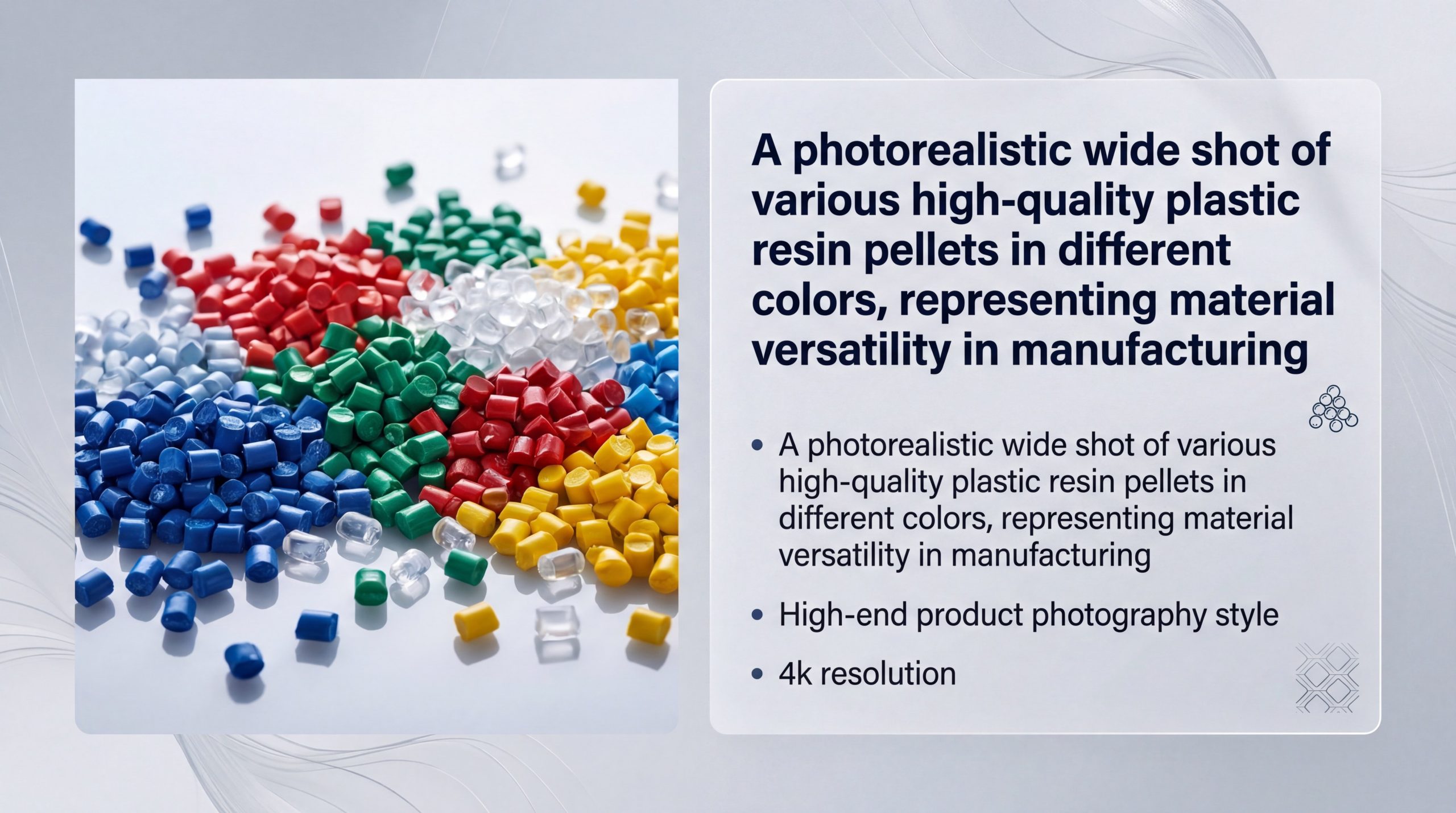
Strategic material management starts with the raw resin pellets used in every cycle.
Why is part repeatability essential for quality?
Repeatability is essential because it ensures that the millionth part you produce is identical to the very first one. Achieving this level of injection molding advantages is critical for industries like medical and automotive where tolerances are strict. You can rely on the mold to produce consistent dimensions cycle after cycle without drift.
Consistent Tolerances and Quality
Simply put: When you have a high-precision tool, the variability between parts is almost non-existent. This level of consistency reduces your rejection rates and eliminates the need for constant manual inspections.
- Tolerances within +/- 0.01mm
- Uniform shrinkage control
- Consistent surface finish quality
- Reliable mechanical performance
Key Takeaway: Superior repeatability protects your brand reputation by ensuring every customer receives a perfect product.
| Quality Metric | Performance | |
|---|---|---|
| Part-to-Part Variance | Negligible | |
| Rejection Rates | Low (<1%) | |
| Precision | Ultra-High |
While repeatability is a strength, the process does have some physical boundaries you must respect.
What are the primary size and shape limits?
Size and shape limits exist because very large parts require massive machines and specialized cooling techniques. This is a potential disadvantage where injection molding advantages are limited by the physical tonnage of the press. You may find that extremely bulky or unevenly thick parts are better suited for other methods.
Machine Tonnage and Wall Limits
Look: If your part is larger than a car bumper, finding a machine with enough clamping force becomes difficult and expensive. Additionally, parts with thick sections are prone to “sink marks” as the plastic cools and contracts.
- Maximum press tonnage limits
- Minimum wall thickness requirements
- Cooling time for thick sections
- Mold flow length constraints
Key Takeaway: Understanding size limitations early prevents you from designing a part that is physically impossible to mold at a reasonable cost.
| Constraint | Limitation | |
|---|---|---|
| Maximum Size | Limited by Platen Size | |
| Thickness | Ideal 1mm – 4mm | |
| Flow Length | Limited by Resin Viscosity |
Even with these limits, advanced techniques allow for the combination of different materials.
Can you combine multiple materials in one part?
Yes, you can combine multiple materials through advanced techniques like overmolding or two-shot (2K) molding. These injection molding advantages allow you to create parts with a hard plastic core and a soft rubber grip in one process. You can enhance the ergonomics and aesthetics of your product without needing separate assembly steps.
Overmolding and Multi-Material Gains
The best part? You can create a water-tight seal or a vibration-dampening layer directly on your component. This eliminates the labor costs associated with gluing or snapping different materials together manually.
- Soft-touch ergonomic grips
- Integrated rubber seals/gaskets
- Multi-colored aesthetic designs
- Chemical bonding of materials
Key Takeaway: Multi-material molding reduces your assembly labor while significantly increasing the perceived value and functionality of your product.
| Multi-Material Tech | Application | |
|---|---|---|
| Overmolding | Soft-touch Grips | |
| 2K Molding | Integrated Seals | |
| Insert Molding | Metal Reinforcements |
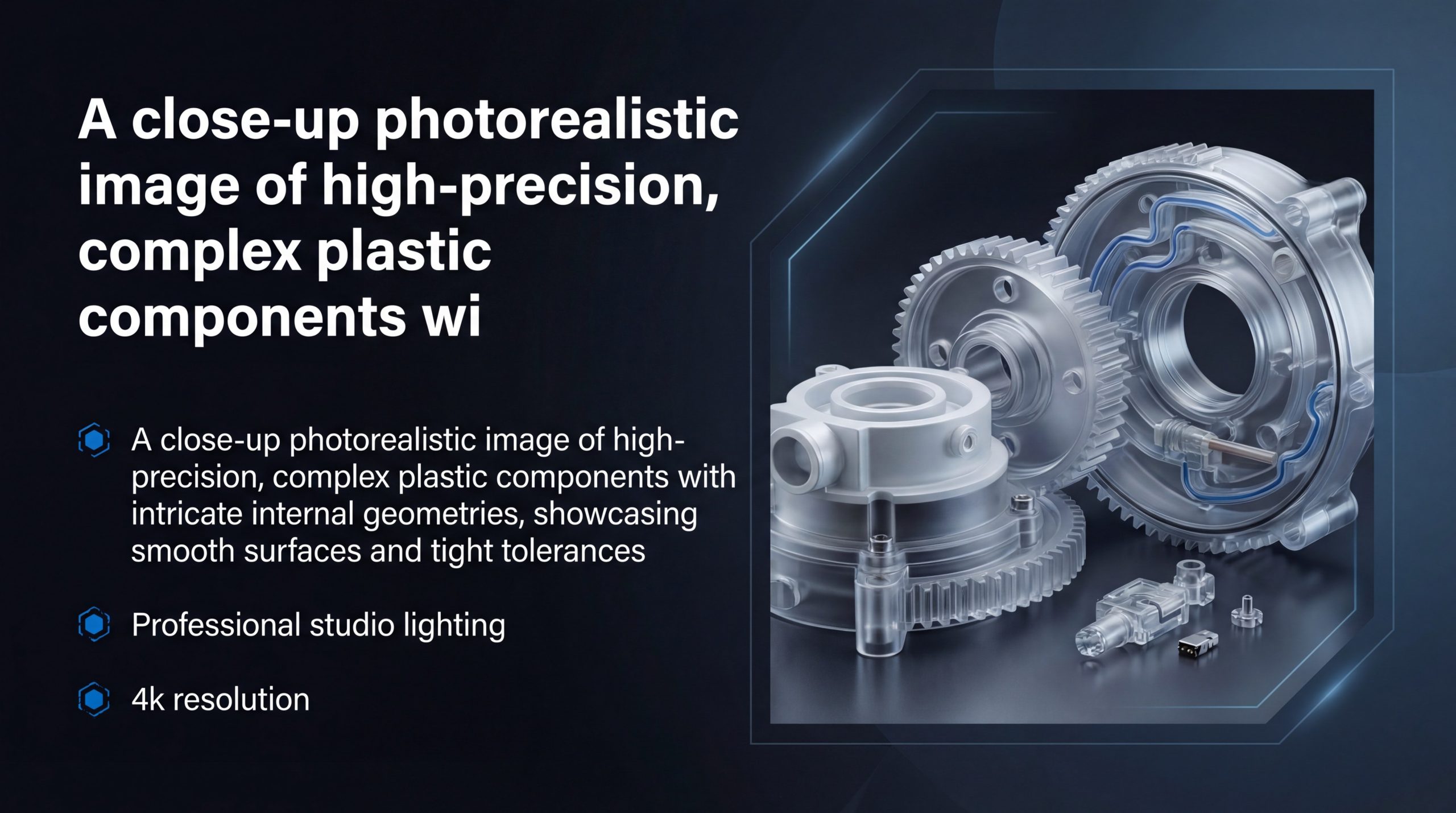
High-precision components often leverage these multi-material capabilities for superior performance.
How long does it take to start production?
Starting production typically takes between 4 to 12 weeks due to the time required to design and build the mold. This long lead time is a disadvantage of the process compared to 3D printing, which can start immediately. You must plan your product launch carefully to account for this initial development phase.
Tooling Development Lead Times
Here is why it matters: Every day spent waiting for a mold is a day your product is not on the market. While the production speed is fast later, the “time-to-market” for the first batch is significantly longer.
- DFM (Design for Manufacturing) review
- Mold design and engineering
- CNC machining of the tool
- T1 sampling and mold tuning
Key Takeaway: Proper planning and early DFM reviews are essential to minimize lead times and avoid costly re-tooling later.
| Phase | Estimated Time | |
|---|---|---|
| Mold Design | 1 – 2 Weeks | |
| Tool Fabrication | 3 – 8 Weeks | |
| Sampling/Approval | 1 – 2 Weeks |
Calculating the timing and costs leads to the final assessment of the project’s financial viability.
How do you calculate the long-term ROI?
Calculating the long-term ROI involves comparing the high initial tooling cost against the dramatically lower per-part price at scale. Evaluating these injection molding advantages shows that the process becomes the most profitable choice once you pass a certain volume threshold. You should consider the entire lifecycle of the product, including labor savings from reduced assembly.
Lifecycle Cost Analysis
Think about it:
If a CNC machined part costs 50 and a molded part costs 2, the $20,000 mold pays for itself after just 417 parts. For projects involving tens of thousands of units, the ROI is undeniably superior to any other method.
- Per-part cost savings vs. CNC
- Reduced assembly and labor costs
- Long-term tool durability
- Minimal maintenance expenses
Key Takeaway: Comprehensive ROI analysis proves that injection molding is the most financially sound strategy for any product expected to reach medium to high market volumes.
| Volume | Best Process | ROI Profile | |
|---|---|---|---|
| < 100 | 3D Printing | Instant ROI | |
| 100 – 1,000 | CNC Machining | Moderate ROI | |
| > 5,000 | Injection Molding | Dominant Long-Term ROI |
Optimize Your Production Strategy Today
Navigating the complexities of manufacturing requires more than just a list of pros and cons; it requires a partner who understands how to turn these advantages into your competitive edge. Whether you are facing high tooling hurdles or seeking unparalleled part consistency, we provide the technical expertise and high-precision machinery needed to scale your vision. Contact us today to receive a comprehensive DFM review and start your journey toward manufacturing excellence. We don’t just mold plastic; we engineer the foundations of your market leadership.
FAQ
Can I use recycled materials in injection molding?Yes, most thermoplastics allow for the inclusion of “regrind” or 100% recycled resins to support sustainability.
What’s the average lead time for a new mold?Standard molds typically require 6 to 12 weeks for fabrication and testing, though aluminum “rapid” tooling can be faster.
Can I modify a mold after it is built?Yes, but only if the change is “metal-safe,” meaning you are removing steel to make a part feature larger.
What’s the minimum order quantity for this process?While there is no technical minimum, the process usually becomes financially viable only at quantities above 1,000 to 5,000 units.
How do I reduce tooling costs?Simplify your design to eliminate undercuts and side-actions, and maintain uniform wall thickness to reduce complexity.